Tags / strategy

"strategy"

251 BuzzVerdicts across PC Games (45), Board Games (163), Mobile Games (41), Books (2)

Final Fantasy Tactics

4.6

2025 · Tactical RPG · PC / Steam

Final Fantasy Tactics: The Ivalice Chronicles is the remaster this game always deserved. Nearly three decades after its original release, the tactical RPG that defined a genre arrives on modern platforms with enhanced visuals, full voice acting, and quality-of-life improvements that make it more accessible than ever. The core game remains a masterwork of political storytelling and deep class-based strategy, and the remaster treats that foundation with obvious reverence. Some will find the price steep and the grinding demands intact, but what's here is one of the best tactical RPGs ever made, finally playable for a new generation.
Hanamikoji

4.5

2013 · 2 Players · ~15 min · Competitive

Hanamikoji compresses an extraordinary amount of strategic tension into a game that takes fifteen minutes and uses only twenty-one cards. Every action forces a painful decision, and the I-cut-you-choose structure means you're constantly giving your opponent something good while hoping to keep something better. The luck of the draw occasionally decides close games, but the play time is so short that this feels like a feature rather than a flaw. This is one of the best two-player games ever designed, and it earns that reputation in about the time it takes to explain the rules.

Supreme Commander: Forged Alliance

4.5

2007 · Real-Time Strategy · PC / Steam

Supreme Commander: Forged Alliance is the most ambitious real-time strategy game ever made, and it backs that ambition with execution. The Strategic Zoom, the escalating economy, the massive unit variety, and the sheer scale of battles create an experience no other RTS has replicated. Some interface quirks and pathfinding issues remain, and the game demands serious hardware investment for large matches. But the Forged Alliance Forever community has kept this game alive and evolving for nearly two decades, and the fact that modern RTS games still borrow its innovations tells you everything about its design quality.

Kingdom Rush Frontiers

4.5

2013 · Tower Defense

Kingdom Rush Frontiers is tower defense at its most polished and confident. Ironhide Game Studio took everything that worked about the original and expanded it with more creative towers, better hero variety, and exotic settings that demand fresh strategies at every turn. The tower specialization system gives each level genuine replay value, and the production quality remains a cut above the competition years after release. If you've never played a Kingdom Rush game, this is the place to start. If you've already played the original, this is the sequel that delivers on every front.

Company of Heroes

4.5

2006 · Real-Time Strategy · PC / Steam

Company of Heroes redefined what a real-time strategy game could be. Its cover system, destructible environments, and squad-based tactics created a level of battlefield immersion that the genre had never seen before, and the resource control model forced constant aggression instead of passive turtling. The campaign remains one of the best in RTS history, even if the AI occasionally stumbles and the faction options in the base game are limited. Nearly two decades later, this is still the benchmark that every tactical RTS gets measured against.

StarCraft II: Wings of Liberty

4.5

2010 · Real-Time Strategy · PC / Battle.net

StarCraft II: Wings of Liberty is the gold standard for real-time strategy on PC. The campaign is long, varied, and packed with missions that would be the highlight of any other RTS. The competitive multiplayer defined esports for a generation and still supports one of the most skill-intensive ladders in gaming. Going free-to-play removed the last barrier to entry, making this the easiest recommendation in the genre. Blizzard has moved on, but StarCraft II hasn't needed them. The community keeps it alive because nothing else plays like this.

Brass: Lancashire

4.5

2007 · 2-4 Players · ~120-180 min · Competitive

Brass: Lancashire is Martin Wallace's masterpiece of interlocking economic systems, where building cotton mills and iron works matters less than understanding when to build them and how to make your opponents' infrastructure work for you. The teach is steep and the first game will be rough, but the strategic depth that emerges from its loan system, shared network, and dual-era structure has kept players obsessed for nearly two decades. If heavy economic games are your thing, this belongs on your shelf.

Against the Storm

4.5

2023 · City Builder / Roguelite Strategy · PC / Steam

Against the Storm is one of the smartest city builders in years, using roguelite structure to solve a problem that has plagued the genre forever. Each run is genuinely different, the tension never fully lets up, and the developers have kept improving it since launch. If you've ever bounced off city builders because they eventually stop surprising you, this one was designed with you in mind.

Grindstone

4.5

2019 · Puzzle

Grindstone is one of the best puzzle games released in the last decade, on any platform. Its color-matching combat is immediately satisfying and stays compelling across hundreds of levels, backed by art and music that drip with personality. Late-game grinding for crafting resources and occasional difficulty spikes that lean on luck will test patience, and not everyone will push through the back half. But the core loop of carving long chains through a board of angry creatures is so good that it carries the game past its rougher stretches. Capybara Games built something addictive, beautiful, and surprisingly deep, and it deserves every bit of the praise it's received.

Threes!

4.5

2014 · Puzzle

Threes! is one of those rare puzzle games that feels like it was designed by people who cared more about making something beautiful than making money from it. The premium model means no ads, no timers, no energy systems, just a perfectly crafted puzzle waiting in your pocket. Its rules take seconds to learn, but the strategic depth reveals itself over weeks and months of play. If you've only ever played free sliding-number games and wondered what the fuss was about, this is the original, and it's worth every cent.

Pax Pamir (2nd Edition)

4.5

2019 · 1-5 Players · ~45-120 min · Competitive / Political

Pax Pamir (2nd Edition) is one of the finest strategy games produced in the last decade. It compresses the drama of shifting alliances, political betrayal, and imperial ambition into a package that plays in under two hours. The learning curve is real, the scoring system demands patience, and lower player counts lose some of the political magic. But at its best, this is a game where a single card play can redraw the entire power structure of the table, and every player feels the consequences. Few games create stories this memorable from mechanics this clean.

A Feast for Odin

4.5

2016 · 1-4 Players · ~30-120 min · Worker Placement / Tile Placement

A Feast for Odin is Uwe Rosenberg's most ambitious design, a sprawling sandbox that combines worker placement with polyomino puzzles and resource management into something that feels both enormous and cohesive. The sheer number of options available each turn could easily overwhelm, but the underlying systems are logical enough that experienced players find freedom where newcomers see chaos. It demands table space, time commitment, and willingness to learn through trial and error, and the low player interaction makes it a poor fit for groups that want confrontation with their strategy. For those who want a game that offers genuine freedom to explore different paths across dozens of plays, this is one of the richest experiences in modern board gaming.

Bloons TD 6

4.5

2018 · Tower Defense

Bloons TD 6 is the gold standard for tower defense on mobile and one of the strongest arguments for the paid game model on the platform. The strategic depth runs surprisingly deep, the content library is enormous after years of updates, and the co-op mode adds a social dimension most mobile games never bother with. Late-game performance drag and the occasional complexity spike are about the worst things anyone can say about it. If you want a mobile game that respects both your intelligence and your wallet, this is one of the safest bets available.

Into the Breach

4.5

2018 · Turn-Based Strategy · PC / Steam

Into the Breach takes a small number of pieces, a tiny grid, and a simple set of rules, then generates an almost infinite number of fascinating problems to solve. Every turn matters, every mistake is yours, and the satisfaction of finding the perfect sequence of moves to neutralize what looked like an impossible situation never gets old. Players expecting a traditional tactics game may bounce off the puzzle-like structure, and some runs can start feeling similar once you've mastered the core systems. But for anyone who wants a strategy game that respects both your intelligence and your time, Subset Games built something close to perfect. The free Advanced Edition update only cemented that reputation.

Kingdom Rush

4.5

2011 · Tower Defense

Kingdom Rush set the standard for mobile tower defense and has held that position for over a decade. Four distinct tower types with branching upgrades, a hero system that adds real tactical options, and challenge modes that extend every level give it far more staying power than its approachable surface suggests. The later difficulty spike and a handful of paid heroes are minor blemishes on what remains one of the most polished and replayable strategy games available on a phone. If you have any interest in tower defense, this is the one to start with.

Mini Metro

4.5

2016 · Puzzle / Strategy

Mini Metro is one of those rare mobile games that earns its place on your phone permanently. Its clean visual design, procedural soundtrack, and endlessly replayable city maps create a loop that's easy to pick up and surprisingly hard to put down. A few rough edges in line management and the occasional feeling that randomness dealt you an impossible hand are real but minor complaints. For a few dollars, you get a premium puzzle game with no ads, no timers, and no tricks, just a growing city that needs your help. It's the kind of game you'll still be opening years after you bought it.

Plants vs. Zombies

4.5

2009 · Tower Defense

Plants vs. Zombies took the tower defense genre and made it fun for absolutely everyone without sacrificing what makes the format work. The charm is relentless, the soundtrack is iconic, and the amount of content packed into a single purchase puts most modern mobile games to shame. Difficulty won't satisfy hardcore strategy fans looking for a real test, but that was never the point. This is one of the most polished, generous, and purely enjoyable games ever made for a phone.

Slay the Spire

4.5

2019 · Roguelike Deckbuilder · PC / Steam

Slay the Spire defined a genre and then set a bar that years of imitators have struggled to reach. The deckbuilding is endlessly deep, the strategic decisions are meaningful from the first card pick to the final boss, and four distinct characters ensure the game stays fresh across hundreds of hours. Visuals won't impress anyone, and the learning curve can feel steep before the depth reveals itself. But this is one of those games where knowledge compounds over time, where every run teaches something, and where the gap between a beginner and a veteran is measured in understanding rather than unlocks. If you have any interest in strategy or card games, this is essential.

Twilight Struggle

4.5

2005 · 2 Players · ~120-180 min · Competitive

Twilight Struggle is one of the most accomplished two-player strategy games ever designed, translating the paranoia, brinkmanship, and impossible choices of the Cold War into a card-driven contest that rewards deep knowledge and careful planning. Its central innovation of forcing players to sometimes trigger their opponent's events transforms what could have been a standard area-control game into something far more dramatic and psychologically intense. The steep learning curve, lengthy playtime, and knowledge gap between experienced and new players limit its audience. But for two people willing to invest the time, this delivers a competitive experience that very few games can match.

War of the Ring (2nd Edition)

4.5

2012 · 2-4 Players · ~150-180 min · Asymmetric Strategy / Wargame

War of the Ring is the definitive Lord of the Rings board game and one of the finest two-player strategy experiences ever designed. Its asymmetric systems capture the tension between military might and desperate hope with remarkable fidelity, and no two games unfold the same way. The time investment is real, the rules are dense, and the table space required is no joke. But for two players willing to commit an afternoon to Middle-earth, this is a game that delivers on its epic promise every single time.

Ark Nova

4.5

2021 · 1-4 Players · 90-150 min · Competitive / Engine-Building Strategy

Ark Nova earned its place near the top of the hobby by doing something rare: making a heavy strategy game that people actually want to play again immediately. The action card system creates a decision space that stays fresh across dozens of sessions, and the theme gives all that mechanical weight a purpose that resonates. Long play times and a steep first game are real costs of entry. For players willing to pay them, few games in recent memory deliver this much.

Brass: Birmingham

4.5

2018 · 2-4 Players · 60-120 min · Competitive / Economic Strategy

The best economic strategy game on the market, full stop. Brass: Birmingham rewards commitment with a depth of play that few games can match. Every decision connects to every other decision in ways that take multiple sessions to fully appreciate. It demands patience and repeat plays, and it isn't for everyone. But for groups willing to invest the time, nothing else in the hobby hits quite like this.

Pandemic Legacy: Season 1

4.5

2015 · 2-4 Players · 60 min · Cooperative / Legacy Campaign

Pandemic Legacy: Season 1 remains one of the most powerful experiences in tabletop gaming. It takes the familiar cooperative puzzle of curing diseases and layers on a persistent campaign where your choices scar the board, alter the rules, and shape a story that unfolds differently at every table. The one-time-play nature will bother some buyers, and the alpha gamer problem hasn't gone anywhere. But for a committed group of friends willing to play through 12 months of escalating stakes, nothing else in the hobby delivers emotional moments quite like this.

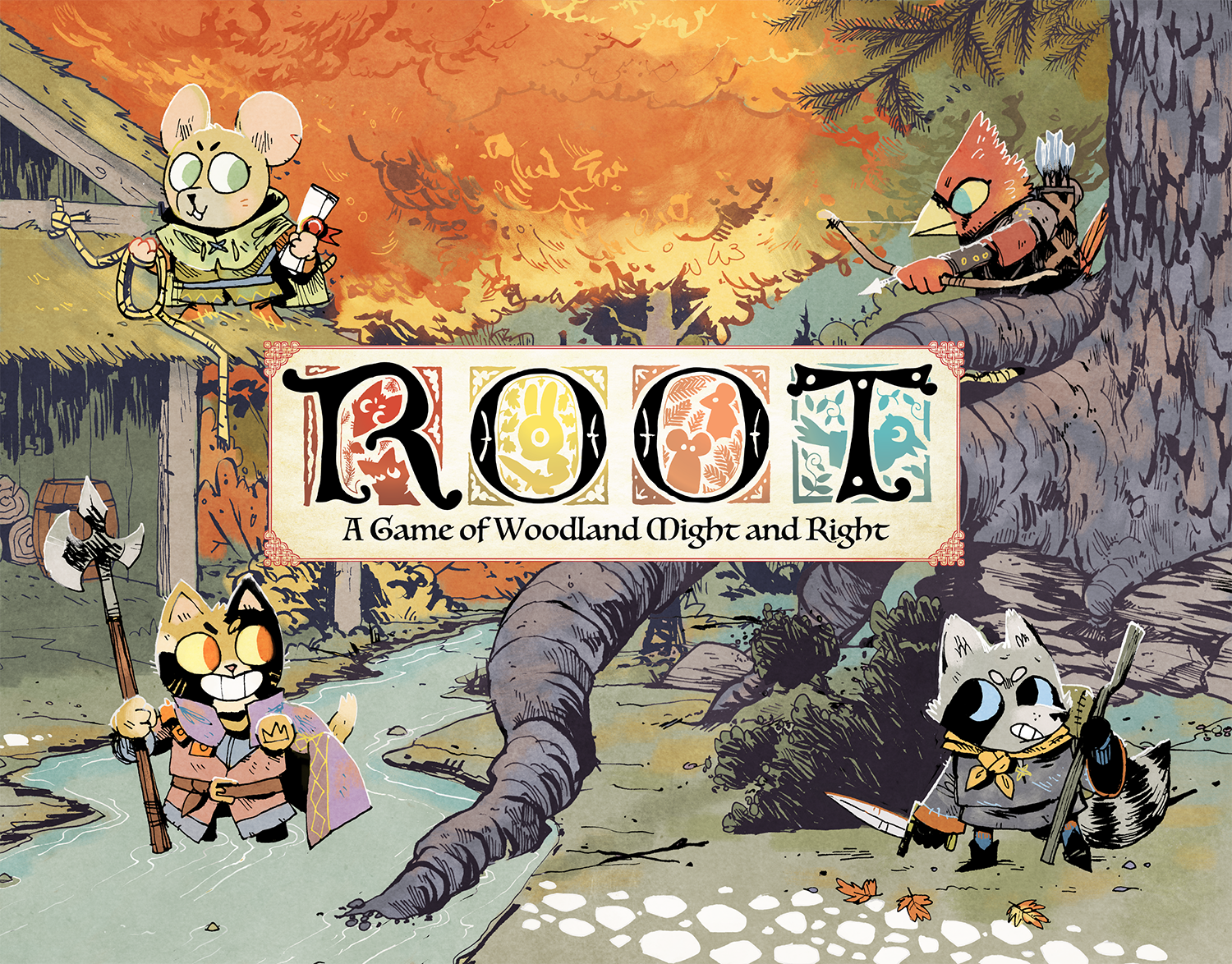
Root cover

Root

4.5

2018 · 2-4 Players · 60-90 min · Asymmetric Strategy / Area Control

Root is one of the most ambitious asymmetric designs in modern board gaming, and it delivers on that ambition with startling confidence. Every faction feels like its own game, yet they all interlock into a competitive ecosystem that rewards table talk, strategic reading, and repeat play. It demands a committed group willing to push through awkward early sessions, and it stumbles at two players without expansion support. But for a regular table of three or four who want a game that keeps evolving over dozens of sessions, Root is an extraordinary achievement that has earned every award on its shelf.

Spirit Island

4.5

2017 · 1-4 Players · 90-120 min · Cooperative Strategy

Spirit Island is one of the best cooperative board games ever designed. It solves the quarterbacking problem, delivers enormous replayability through wildly asymmetric spirits, and wraps it all in a theme that feels inseparable from its mechanics. The price of entry is a steep learning curve that will bounce casual players hard. But for anyone willing to climb that hill, what waits on the other side is a deeply rewarding strategic puzzle that keeps revealing new layers dozens of plays in.

Through the Ages: A New Story of Civilization

4.5

2015 · 2-4 Players · 120-240 min · Civilization Building / Card Drafting

Through the Ages is one of the most respected strategy games in the hobby for good reason. It distills the sweep of civilization into a card drafting system that rewards long-term planning, careful resource management, and the willingness to adapt when the card row doesn't cooperate. The physical version demands patience with its components and a serious time commitment, but the depth on offer is extraordinary. For players who want a heavy strategy game they can explore for years, this belongs near the top of any list.

Twilight Imperium (Fourth Edition)

4.5

2017 · 3-6 Players · 240-480 min · Strategy / Negotiation

Twilight Imperium (Fourth Edition) is the board game equivalent of a full-season television epic compressed into a single day. It demands more from its players than almost anything else on the market, and it rewards that commitment with stories you will be retelling for years. The negotiation is electric, the factions are wildly asymmetric, and the objective system keeps every player engaged right up to the final round. It is not for everyone, and it never pretends to be. But for the group willing to clear a Saturday and commit fully, nothing else in the hobby comes close.

Great Western Trail (2nd Edition)

4.4

2021 · 1-4 Players · ~75-150 min · Competitive

Great Western Trail (2nd Edition) remains one of the best heavy euro games available, with a core design that expertly weaves deck building, route management, and worker specialization into a deeply interconnected system where every decision ripples outward. The second edition adds a solo mode, improved components, and a few new strategic options without disrupting what made the original a modern classic. It's a time commitment at two to three hours per session, and the learning curve is steep enough to filter out anyone not ready for this weight class. But for players who want a game where mastery feels genuinely earned, few designs reward repeated play this consistently.

Dune: Imperium - Uprising

4.4

2024 · 1-6 Players · ~60-120 min · Competitive

Dune: Imperium - Uprising takes an already excellent design and sharpens it with smarter combat, more flexible board access through spies, and sandworm events that keep every round unpredictable. The blend of deck building and worker placement remains one of the most satisfying combinations in modern board gaming, and the expanded player count opens the game to team play. New complexity can overwhelm players unfamiliar with the original system, and six-player games run long enough to test patience. For groups looking for a strategic game that balances planning with adaptability, Uprising is the definitive version of Dune: Imperium.

The Castles of Burgundy

4.4

2011 · 2-4 Players · 70-120 min · Competitive / Strategy

One of the best Eurogames ever designed, hiding behind one of the least attractive presentations in the hobby. The Castles of Burgundy turns two dice into a deeply satisfying puzzle where every turn matters and every choice ripples forward. Ugly components and a dice-driven structure will put some players off, and that's understandable. But for anyone who cares more about how a game plays than how it looks, this belongs in the conversation for the best medium-weight strategy game on the market.

XCOM: Enemy Unknown

4.3

2012 · Turn-Based Strategy · PC / Steam

XCOM: Enemy Unknown brought the franchise back with a turn-based tactical layer that generates genuine tension and a strategic metagame that forces hard choices about resource allocation. Permadeath transforms named soldiers into characters you care about losing, and the escalating alien threat keeps the pressure constant across an entire campaign. Map repetition and some simplified mechanics compared to the 1994 original hold it back slightly, but the core loop of fight, research, build, and fight again is one of the most compelling in the genre. Firaxis proved that this formula still works, and it opened the door for an entire wave of tactical strategy games that followed.

Warhammer 40,000: Dawn of War

4.3

2004 · Real-Time Strategy · PC / Steam

Warhammer 40,000: Dawn of War captured the brutality and scale of its source material better than any game before it. The faction design is outstanding, with each of the four playable races feeling completely distinct in how they build, fight, and control the battlefield. Animations bring the violence of the 41st millennium to life with a level of detail that was remarkable in 2004 and still holds a certain charm today. The campaign is shorter and less challenging than it could be, and the strategic point system limits base building compared to traditional RTS games. Those are minor complaints against a game that gave Warhammer 40K fans exactly what they wanted and gave RTS players a fresh take on the genre.

Slay the Spire 2

4.3

2026 · Roguelike Deckbuilder · PC / Steam

Slay the Spire 2 takes the genre its predecessor defined and rebuilds it from the ground up. New classes, co-op multiplayer for up to four players, and mechanics like Doom, Sly, and Enchantments add meaningful depth without losing the tight strategic loop that made the original so compelling. Early access growing pains are real, with balance controversies and a review-bombed Steam page creating noise around a game that deserves better. Underneath that noise sits the most ambitious roguelike deckbuilder on the market, and one that already justifies its existence even before the full release arrives.

Kingdom Rush Origins

4.3

2014 · Tower Defense

Kingdom Rush Origins is the gold standard for mobile tower defense, delivering tight strategic depth, memorable hero abilities, and polished level design in a package that respects your intelligence. The optional hero purchases sting in a game you already paid for, and the difficulty spikes on later stages feel tuned to push you toward those purchases. If you can accept that trade-off, this is one of the best strategy games available on a phone.

Mindustry

4.3

2019 · Factory Builder / Tower Defense

Mindustry is one of the most impressive mobile games available, blending factory building and tower defense into a deep, complex experience that rivals full PC titles. The open-source model means no ads, no in-app purchases, and an active modding community that keeps expanding the game long after the developer steps back. Cross-platform multiplayer and cloud saves make it a fully portable extension of the PC experience. The learning curve is harsh and the touch controls take patience, but players who push through find a game with hundreds of hours of depth. If factory optimization and tower defense both appeal to you, this is the rare mobile game that delivers on both fronts without compromise.

Fields of Arle

4.3

2014 · 1-2 Players · 90-120 min · Competitive / Worker Placement

Fields of Arle is Uwe Rosenberg's most generous design, a sprawling sandbox of farming, crafting, and trading that gives two players or a solo gamer the freedom to build almost anything without punishment for experimentation. That same generosity costs it the knife-edge tension of Agricola or Caverna, but what replaces that tension is something rarer: a game that rewards curiosity over optimization and feels different every single time you sit down.

Arcs

4.3

2024 · 2-4 Players · ~90-120 min · Competitive

Arcs fuses trick-taking card play with space opera area control in a design that feels like nothing else in tabletop gaming. Cole Wehrle's latest for Leder Games uses the trick-taking structure to drive fleet movement, resource gathering, and combat, creating a game where card play IS the strategy rather than supporting it. The base game is a tight competitive experience, and the campaign expansion transforms it into an evolving narrative. The learning curve is steep, the trick-taking can feel opaque to new players, and it demands exactly the right group to shine.

Battle Line

4.3

2000 · 2 Players · ~30 min · Competitive

Battle Line distills two-player card game competition down to its purest form, asking you to win five of nine flags by playing the strongest three-card formations. Knizia's genius is in how the simple poker-like combinations create agonizing decisions about commitment and timing. The optional tactics cards add variety but the base game alone provides enough tension and replayability to keep it on the table for years.

The Lord of the Rings: Duel for Middle-earth

4.3

2024 · 2 Players · ~30-45 min · Competitive

The Lord of the Rings: Duel for Middle-earth takes one of the best two-player card games ever designed and makes it better. Every rule change from 7 Wonders: Duel lands as an improvement, the Middle-earth theme adds genuine tension to the military and quest systems, and the three alternate victory conditions create a constant push-pull that makes every card pick feel loaded. A few mechanical elements like the economy feel simplified compared to their predecessor, and the Lord of the Rings license does more heavy lifting than the game strictly needs. But as a standalone two-player strategy game in a small box, this is about as good as it gets.

Concordia Venus

4.3

2018 · 2-6 Players · ~60-120 min · Competitive

Concordia Venus carries forward everything that made the original Concordia a modern classic and adds a team mode that opens the game to larger groups. The card-driven action system remains one of the most elegant designs in euro gaming, the hidden scoring keeps tension alive until the final count, and the low rules overhead belies impressive strategic depth. The team variant adds clunk without enough payoff for most groups, and extended play can reveal a sameness in game flow. For anyone who wants a medium-weight euro that rewards strategic planning without drowning in rules, Concordia Venus is one of the best in the genre.

Tigris & Euphrates

4.3

1997 · 2-4 Players · ~60-90 min · Competitive

Tigris & Euphrates is Reiner Knizia's crowning design achievement, a game where civilizations rise and collapse through tile placement and two distinct conflict types that create some of the most dramatic swings in all of board gaming. The scoring system, which counts only your weakest color, forces balanced play in a way that's simple to explain and endlessly difficult to master. The teach takes patience and the board state can shift violently, but for players who want a strategy game where every tile placement carries genuine weight, this remains one of the greatest designs in the hobby's history.

Splendor Duel

4.3

2022 · 2 Players · ~30 min · Competitive

Splendor Duel takes the gem-collecting engine of the original Splendor and rebuilds it from the ground up as a two-player duel with real teeth. The shared token board adds a spatial drafting layer the original never had, three different victory conditions force constant tactical adjustment, and the privilege mechanic creates swings that keep both players on edge. It's tighter, meaner, and more interactive than its predecessor in every way. The added complexity won't suit everyone who loved the original's simplicity, and the privilege token can feel swingy. But as a two-player competitive game, this is one of the best in its class.

Ender's Game

4.3

1985 · Orson Scott Card · 324 pages · Military Science Fiction

Ender's Game remains one of the most compelling and debated science fiction novels of the past forty years. Card wrote a story about a child soldier that works simultaneously as a page-turning military thriller and a deeply uncomfortable examination of how institutions exploit gifted people. The twist ending reframes everything that came before it in a way few books have matched. Some readers will struggle with how the child characters speak and think, and the author's personal views have become inseparable from the reading experience for many. But the novel's core questions about empathy, violence, and the cost of victory continue to resonate, which is why it keeps showing up on essential reading lists decades after publication.

The Gallerist

4.3

2015 · 1-4 Players · ~60-150 min · Competitive / Economic

The Gallerist is Vital Lacerda at his most thematically inspired. Every mechanism connects to the fantasy of running an art gallery, from discovering unknown artists to promoting their work to selling pieces at peak value. The learning curve is steep, the teach is long, and your first game will be spent figuring out what you should have done differently. But the interlocking systems reward repeated plays with increasing clarity, and the satisfaction of executing a well-planned strategy through this clockwork of interconnected actions is hard to find elsewhere. For heavy euro fans willing to invest the time, this is one of the best.

Food Chain Magnate

4.3

2015 · 2-5 Players · ~120-240 min · Competitive / Economic

Food Chain Magnate is a masterclass in strategic depth. It strips away luck entirely and dares players to compete on pure decision-making, creating a game where every choice ripples forward and every mistake compounds. The runaway leader problem and the punishing learning curve will drive some groups away, and games where one player falls behind early can drag. But for the audience it's built for, the players who want a game that rewards deep thinking and refuses to hold their hand, nothing else in the hobby scratches this itch quite the same way.

Lisboa

4.3

2017 · 1-4 Players · 90-120 min · Competitive / Economic Strategy

Lisboa is one of the most rewarding heavy strategy games available, offering a deeply interconnected system where every decision ripples across the board. The learning curve is steep and the iconography can overwhelm on first contact, but players who push through will find a game that rewards repeated plays with layers of strategic depth. It asks a lot of its players and gives back even more. For heavy euro fans, this is essential.

Aeon's End

4.3

2016 · 1-4 Players · ~45-60 min · Cooperative Deck Building

Aeon's End takes the deck-building genre and rebuilds it around a single, brilliant idea: you never shuffle your deck. That one change transforms a familiar framework into something tighter, more strategic, and more punishing than its competitors. The cooperative boss battles create genuine tension, the variable mage powers keep the game fresh across dozens of sessions, and the no-shuffle mechanism rewards careful planning in a way that shuffled decks simply cannot. It demands precision and punishes mistakes, which won't appeal to everyone, but for players who want a cooperative deck builder that treats every card placement as a meaningful decision, this is the standard.

Arknights

4.3

2020 · Tower Defense / Tactical RPG

Arknights is one of the best tower defense games on mobile and one of the most respected gacha games in the genre. Its strategic depth rewards thinking over spending, its story and music punch well above their weight class, and its F2P model actually lets free players thrive. The stamina system and farming grind are real friction points, and the text-heavy storytelling won't click for everyone. If you want a mobile game that treats strategy as the main event rather than a sideshow, this one delivers.

Barrage

4.3

2019 · 1-4 Players · ~120 min · Worker Placement / Network Building

Barrage is one of the most interactive and cutthroat Euro games released in the last decade, a design that takes the worker placement genre and injects it with the territorial aggression of an area control game. The construction wheel, shared water system, and asymmetric company powers combine to create something that feels truly original in a crowded design space. It punishes passivity and rewards players who read the board and react to opponents as much as they plan their own builds. The learning curve is steep and the tone is merciless, but for groups that want their strategy games to have teeth, Barrage delivers a competitive experience that few other Euros can match.

Crusader Kings III

4.3

2020 · Grand Strategy / RPG · PC / Steam

Crusader Kings III is the rare strategy game that makes you care less about winning and more about the stories your dynasty creates along the way. It balances accessibility with staggering depth, letting newcomers find their footing while veterans lose themselves in centuries of scheming and succession crises. The DLC pricing model asks a lot of loyal players, and the late game can lose momentum, but the core experience remains one of the most compelling sandboxes on PC. Five years after launch, it's still generating the kind of stories people can't stop telling each other.

Eclipse: Second Dawn for the Galaxy

4.3

2020 · 2-6 Players · ~60-200 min · Competitive Space Exploration

Eclipse: Second Dawn for the Galaxy is the premier space 4X board game, blending European-style economic decision-making with the thrill of galactic conquest. It demands a table of four or more players and a willingness to commit an entire evening, but the payoff is a strategic experience that few games can match. The ship customization system alone would carry a lesser design, and here it's just one layer of a deeply satisfying whole. If your group has the time and the appetite for a big, ambitious space game, this is the one to own.

FTL: Faster Than Light

4.3

2012 · Roguelike Strategy · PC / Steam

FTL: Faster Than Light gives you command of a small ship, a desperate mission, and a galaxy that's trying to kill you in a different way every time you play. The pause-and-play combat system creates moments of brilliant tactical thinking, and the randomized encounters produce stories you'll remember long after the run ends. RNG can be brutal in ways that feel unfair, and the final boss encounter is a difficulty spike that the rest of the game doesn't fully prepare you for. But the addictive loop of starting one more run, making slightly better decisions, and pushing a little further is what made FTL a landmark indie game. The free Advanced Edition expansion made a great game even better, and a dedicated modding community has kept it alive for over a decade.

Mage Knight

4.3

2011 · 1-4 Players · ~120-240 min · Solo / Competitive Adventure

Mage Knight is a towering achievement in solo board game design, a dense fusion of deck building, exploration, and tactical combat that rewards patience and careful planning like few other games on the market. It asks an enormous amount from its players: hours of time, careful study of its rules, and a tolerance for complexity that borders on academic. In return, it offers a strategic depth that reveals new layers after dozens of plays and a sense of accomplishment when everything clicks that is hard to find anywhere else. This is not a game for everyone, but for the audience it serves, nothing else comes close.

Slay the Spire

4.3

2020 · Roguelike Deckbuilder

Slay the Spire is one of the best strategy games available on a phone or tablet, full stop. The deckbuilding is razor-sharp, the replayability is staggering, and the premium pricing means you never have to deal with ads or microtransactions. The mobile port delivers the complete experience but struggles with small-screen readability and touch controls that occasionally betray you at the worst possible moment. Play it on a tablet if you can. On a phone, you're getting a phenomenal game filtered through an interface that doesn't always respect the size of your screen. That tradeoff is worth it for most people, but go in knowing it exists.

Star Wars: Rebellion

4.3

2016 · 2-4 Players · ~180-240 min · Asymmetric Strategy / Wargame

Star Wars: Rebellion is the most faithful board game adaptation of the original Star Wars trilogy, and it earns that distinction through systems that make the cat-and-mouse hunt for the Rebel base feel every bit as tense as it should. The mission system creates stories that rival the films for drama, and the asymmetric design gives both sides a completely different but equally compelling strategic challenge. Combat needs work, the time commitment is substantial, and it lives or dies on having the right opponent. But for two players who want to wage their own Galactic Civil War across an afternoon, Rebellion is the real deal.

Total War: Shogun 2

4.3

2011 · Strategy · PC / Steam

Total War: Shogun 2 remains the entry most fans point to when asked where the series hit its peak. The focused setting, tight faction design, and beautiful presentation create a strategy game that rewards careful planning and punishes overextension. Realm Divide will frustrate you at least once, and the late game can feel like an endurance test, but that's a small price for a campaign that stays exciting from your first province to your march on Kyoto. If you've ever wanted a strategy game that captures the tension and drama of feudal Japan's warring clans, this is the one that got it right.

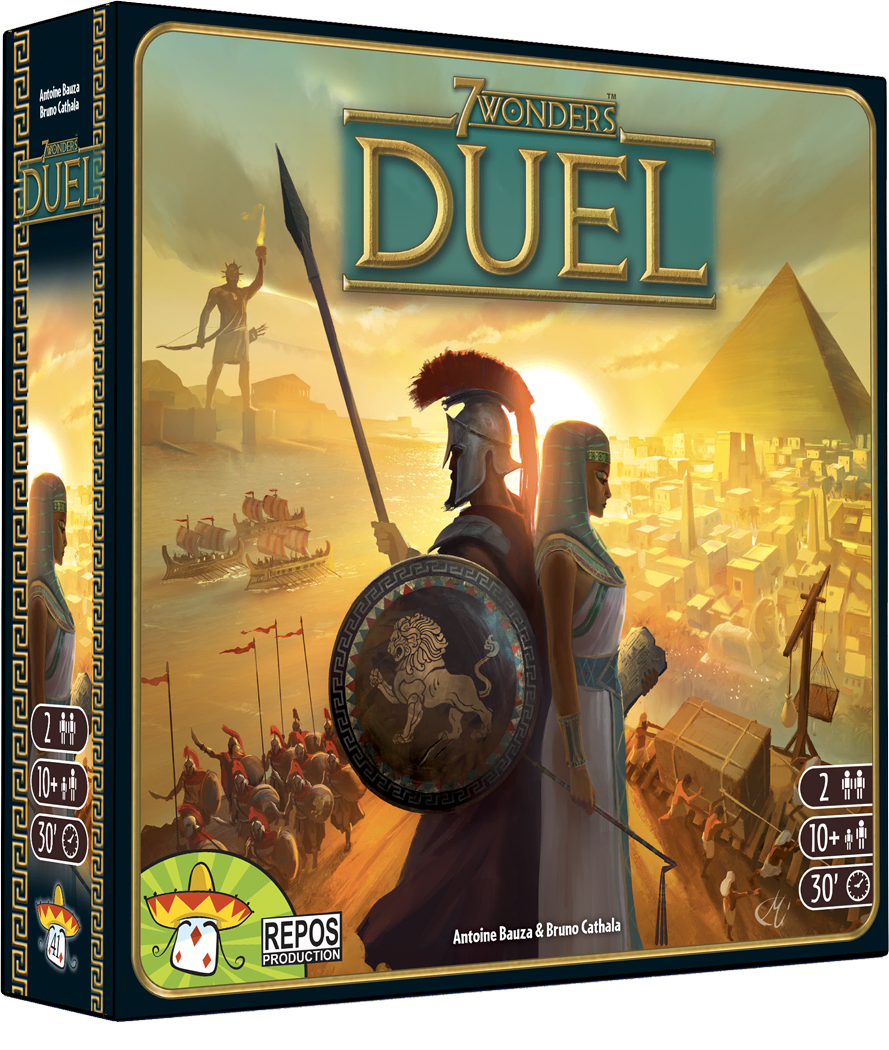
7 Wonders Duel cover

7 Wonders Duel

4.3

2015 · 2 Players · 30 min · Competitive / Card Drafting

7 Wonders Duel is one of the strongest two-player games ever designed, distilling civilization building into a tight 30-minute contest with real tension and multiple paths to victory. The card pyramid creates an elegant decision space that rewards tactical reading and forward planning. Some rough edges around wonder balance and card randomness prevent it from reaching perfection. But for couples and gaming pairs looking for a competitive game with genuine depth in a small box, this remains the benchmark.

Concordia

4.3

2013 · 2-5 Players · 100 min · Competitive / Strategy

One of the most elegantly designed strategy games in the hobby, and a permanent fixture in the top tier of community rankings for good reason. Concordia hides remarkable depth behind accessible rules, rewarding careful planning with a satisfaction that few games at this complexity level can match. Opaque scoring and bland presentation hold it back from perfection, but the core design remains a benchmark more than a decade after release.

Great Western Trail

4.3

2016 · 1-4 Players · 75-150 min · Competitive / Strategy

A heavy Euro that earns its place near the top of the hobby. Great Western Trail combines deck building, worker hiring, and route optimization into a system where every piece serves the whole. It demands multiple plays to reveal its depth, and the theme won't win anyone over on its own. But for groups who want a strategic puzzle with real teeth and a different challenge every session, few games deliver this consistently.

Terraforming Mars

4.3

2016 · 1-5 Players · ~120 min · Competitive / Engine Building

Terraforming Mars has held its place near the top of the hobby for a decade because its core loop is that good. Build an engine from a massive deck of unique project cards, watch it accelerate, and race your opponents to reshape a planet. Cheap components and long play times are real drawbacks, not minor ones. But the feeling of watching your corporation go from scraping together resources to generating them in waves is something few games replicate this well. If your group has two hours and an appetite for satisfying card combos, this one earns its reputation.

Tactics Ogre: Reborn

4.2

2022 · Tactical RPG · PC / Steam

Tactics Ogre: Reborn is a careful, respectful remake of one of the most important tactical RPGs ever made. The branching political narrative remains as morally complex as it was in the 1990s, and the orchestrated soundtrack, HD pixel art, and quality-of-life enhancements bring the game into the modern era without losing its identity. Reduced class customization and a competitive release window alongside newer tactics games hold it back from greatness for some players, but the strategic combat, story depth, and replayability through branching paths make this an essential pickup for anyone who cares about the genre's history and its future.

Infinitode 2

4.2

2018 · Tower Defense

Infinitode 2 is a rare free mobile game that earns its reputation through depth rather than monetization tricks, offering a tower defense experience with genuine strategic complexity, endless replayability, and zero pressure to spend money. The research tree lacks transparency, the grind between meaningful unlocks can drag, and the learning curve punishes players who expect to brute-force their way through. If you want a tower defense game that treats strategy as a real requirement rather than a suggestion, this is one of the best options on any platform.

Radlands

4.2

2021 · 2 Players · 20-40 min · Competitive / Card Battler

Radlands is one of the best head-to-head card games available, delivering a strategic depth that far exceeds its simple rules and short playtime. The water economy, camp abilities, and shared deck create a system where every decision carries weight. Card luck can swing individual matches, and players need to be evenly matched for the game to shine. But for pairs who want a fast, tense, deeply replayable dueling game with stunning art and tight design, Radlands sits near the top of the genre.

Schotten Totten

4.2

1999 · 2 Players · ~20 min · Competitive

Schotten Totten is one of the best two-player card games ever designed, packing a remarkable amount of tactical depth into a 20-minute package with a tiny footprint. The poker-style formations create constant tension between committing to strong positions and keeping your options open, and the proof claim mechanic rewards players who pay attention to what's been played. Card draw can occasionally decide close games, and the tactics cards variant adds chaos that not every player will enjoy. But the base game is a near-perfect distillation of competitive card play for two.

Age of Innovation

4.2

2023 · 1-5 Players · ~120-200 min · Competitive

Age of Innovation is the spiritual successor to Terra Mystica and Gaia Project, refining the faction-based territory development formula with modular faction creation and an innovation track that replaces the research system. The core loop of building, expanding, and competing for territory remains deeply satisfying, and the modular factions provide replay variety that the fixed factions of its predecessors couldn't match. The complexity and length will intimidate newcomers to the system, and veterans may find the changes evolutionary rather than revolutionary.

Anachrony

4.2

2017 · 1-4 Players · ~60-120 min · Competitive

Anachrony integrates time travel into a heavy euro framework in a way that's mechanically meaningful rather than gimmicky, letting you borrow resources from your future self and creating debt obligations that must be repaid before the timeline collapses. The exosuit-powered worker placement and the impending asteroid impact create a game with both strategic depth and thematic urgency. The time travel mechanism is brilliantly conceived, the faction asymmetry is well-balanced, and the production quality in the deluxe edition is outstanding. The rules overhead is significant, and the time travel paradox system adds complexity that not every group will appreciate.

Dominant Species

4.2

2010 · 2-6 Players · ~180-240 min · Competitive

Dominant Species is one of the most ruthless and rewarding heavy strategy games ever designed, combining accessible worker placement mechanics with cutthroat area control on an ever-expanding prehistoric Earth. The ice age is always closing in, species are always competing, and every action you take ripples across the board in ways that force constant adaptation. Games run three to four hours and can be brutal for players who fall behind early, but for groups who want a strategic experience with real teeth, few games in the hobby deliver this level of depth, interaction, and tension.

Orléans

4.2

2014 · 2-4 Players · ~90 min · Competitive

Orléans pioneered the bag-building mechanism and remains its finest expression, turning the randomized draw of worker discs into an engine-building puzzle that feels different from anything else in the euro genre. The satisfaction of curating your bag to deliver exactly the workers you need is hard to replicate, and the multiple paths to victory keep the strategic space wide open across dozens of plays. Theme is thin, and rounds can drag at higher player counts when someone takes too long optimizing their placement. But the core loop is so well-designed that these complaints barely register against the overall experience.

Hansa Teutonica

4.2

2009 · 2-5 Players · 45-90 min · Competitive

Hansa Teutonica is a masterclass in interactive euro design. Every route you claim, every action you upgrade, and every merchant you place affects every other player at the table, creating a web of passive-aggressive competition that stays engaging from first placement to final scoring. The multiple viable paths to victory mean that no single dominant strategy has emerged even after years of play, and the game rewards reading your opponents as much as it rewards planning your own moves. The dry presentation will turn away players who need visual appeal, and the teach can be rocky for newcomers. But for groups that value deep player interaction in a medium-weight package, Hansa Teutonica remains one of the finest euros ever designed.

Ra

4.2

1999 · 2-5 Players · 45-60 min · Competitive

Ra distills auction gaming to its purest and most exciting form. Reiner Knizia's design strips away complexity to leave only the decisions that matter: when to bid, how much to risk, and what to collect. The sun disc system creates a naturally escalating tension across each epoch, and the set collection scoring rewards both planning and opportunism. At two players it loses some of its competitive electricity, and players who dislike the feeling of being forced into auctions by the Ra track may find the push-your-luck element frustrating. But at three to five players, Ra delivers one of the tightest and most replayable auction experiences in board gaming, and its endurance since 1999 is entirely earned.

Targi

4.2

2012 · 2 Players · ~60 min · Competitive

Targi is one of the best two-player worker placement games ever made, and the intersection mechanic is the reason why. Placing workers on the border of a 5x5 grid and claiming the inner cards where your rows and columns cross creates a spatial puzzle that's unlike anything else in the genre. Blocking your opponent is inherent to every placement, not an afterthought, and the rotating robber adds time pressure that prevents both players from settling into comfortable patterns. It's a medium-weight strategy game that fills an hour with meaningful decisions and genuine tension. The theme is thin, and the card variety can feel limited after many plays. But mechanically, it's as tight as two-player games get.

El Grande

4.2

1995 · 2-5 Players · ~60-120 min · Competitive

El Grande is the game that defined area control for modern board gaming, and three decades later its power card system and Castillo mechanic still create moments of tension that newer designs struggle to match. The rules are clean enough to teach in 15 minutes, but the player interaction and bluffing run deep enough to reward years of play. It's best at four or five and it needs the right group to sing, but when it all comes together, El Grande delivers one of the purest competitive experiences in the hobby.

Terra Mystica

4.2

2012 · 2-5 Players · ~60-150 min · Competitive

Terra Mystica is a heavyweight euro where 14 asymmetric factions compete to terraform and build across a shared landscape, and the puzzle of managing four different resources while expanding your network is as compelling today as it was in 2012. Faction balance isn't perfect, the production looks dated, and the learning curve will eat your first game alive. But the depth of its interlocking systems and the tension of competing for territory on a tight map have earned it a permanent spot among the best strategy games ever made.

Clans of Caledonia

4.2

2017 · 1-4 Players · ~30-120 min · Competitive

Clans of Caledonia is an economic euro that earns its reputation through a dynamic market system and asymmetric clan powers that keep every game feeling distinct. The interlocking systems of production, trade, and expansion click together with a smoothness that belies the game's strategic depth. Component size and some unintuitive rules around neighbor bonuses create friction, and new players will struggle to grasp how end-game scoring shapes early decisions. But for groups that enjoy economic engines with teeth, where reading the market matters as much as building your production chain, Clans of Caledonia delivers a deeply satisfying experience that holds up across dozens of plays.

Ticket to Ride: Europe

4.2

2005 · 2-5 Players · 30-60 min · Competitive / Route Building / Set Collection

Ticket to Ride: Europe takes the formula that made the original a modern classic and improves it in almost every meaningful way. Tunnels, ferries, and stations add just enough decision-making to satisfy players who found the base game too simple, without pushing the complexity past what a family can handle on a weeknight. A loose two-player mode and a ceiling on long-term depth keep it from the highest tier, but for its intended audience this is about as good as gateway board gaming gets. If you're only going to own one version of Ticket to Ride, this is the one to buy.

Carnegie

4.2

2022 · 1-4 Players · 90-120 min · Competitive / Economic Strategy

Carnegie delivers one of the tightest, most satisfying euro experiences of its era. The action selection system creates constant player interaction, the puzzle of lining up employees with departments is deeply engaging, and Ian O'Toole's art gives it tremendous table presence. It deserves a bigger audience than it has found so far. For groups that enjoy medium-heavy economic games with meaningful player interaction, Carnegie is one of the best options available.

Dominion

4.2

2008 · 2-4 Players · ~30 min · Competitive

Dominion invented an entire genre and remains one of its best examples more than fifteen years later. The base game is a lean, replayable engine that teaches in minutes and rewards hundreds of plays, though its low interaction will bore players who want to mess with their opponents. Expansions transform it from a good game into a platform that can be whatever you need it to be. If you have any interest in card games or engine building, this belongs on your shelf.

Kemet

4.2

2012 · 2-5 Players · ~90 min · Aggressive Area Control

Kemet is area control at its most aggressive and rewarding, a game that tells you to stop turtling and start fighting from the very first round. The power tile system gives every game a different strategic texture, and the teleportation mechanics keep the action flowing without tedious movement phases. It stumbles with its iconography for new players and occasionally devolves into pile-on-the-leader dynamics, but these are growing pains that fade with experience. For groups that want a combat-heavy strategy game that stays tight and competitive from start to finish, Kemet is one of the best in the genre.

Le Havre

4.2

2008 · 1-5 Players · ~30-150 min · Worker Placement / Resource Management

Le Havre is one of the great economic strategy games, a design where every turn presents a deceptively simple choice that ripples forward through the rest of the session. Collecting resources and using buildings sounds mundane until the third or fourth play reveals just how deep the strategic possibilities run. It punishes early mistakes without mercy and demands patience from new players willing to learn its rhythms, but the reward is a game that feels tighter and more satisfying with every session. For fans of heavy economic games who want something that respects their time and their decisions, Le Havre remains one of Uwe Rosenberg's finest achievements.

Plague Inc.

4.2

2012 · Strategy Simulation

Plague Inc. turns a morbid premise into one of the sharpest strategy games on mobile. A dollar gets you a surprisingly deep simulation that rewards patience, planning, and a willingness to think like a pathogen. Repetitiveness sets in once you've cracked the formula for each disease type, and unlocking every plague on mobile means spending beyond the sticker price. For the initial investment, though, few mobile games deliver this much strategic satisfaction with this little filler.

Race for the Galaxy

4.2

2007 · 2-4 Players · ~30-60 min · Competitive

Race for the Galaxy is a brilliant card game buried under one of the steepest learning curves in the hobby. Players who push through the initial confusion with its iconography discover a fast, deep, and endlessly replayable engine-building experience that rewards pattern recognition and strategic flexibility. It's not for everyone, and it knows it. For the audience it's built for, very few card games have ever been better.

The Battle of Polytopia

4.2

2016 · 4X Strategy

The Battle of Polytopia carved out a space that nobody else has seriously contested: a full 4X strategy game that fits comfortably into a phone-sized session. Ten years after launch, it still works because the formula is so well-tuned. Explore, expand, exploit, exterminate, all in about fifteen minutes. The tech tree won't challenge anyone who's spent serious time with deeper strategy games, and tribe balance remains a work in progress. But the monetization is honest, the updates keep coming, and the core loop has that addictive pull that makes you start one more game when you should be putting your phone down. For a free download, it delivers more than most paid strategy games even attempt.

The Quest for El Dorado

4.2

2017 · 2-4 Players · ~30-60 min · Competitive / Deck Building / Racing

The Quest for El Dorado is one of the cleanest designs in modern board gaming, fusing deck building and racing into something that feels both familiar and completely fresh. Reiner Knizia stripped the deck-building genre down to its essentials and gave it a physical goal that makes every card purchase feel urgent and consequential. The card market lacks some variety at higher play counts, and experienced deck-building veterans will eventually map the strategic space. But as an accessible, replayable, and consistently exciting game for two to four players, this is a modern classic that earns its reputation.

Scythe

4.2

2016 · 1-5 Players · 90-115 min · Strategy / Engine Building

Scythe delivers one of the most satisfying engine-building experiences in modern board gaming, wrapped in stunning alt-history artwork that practically sells itself off the shelf. Combat-hungry players will need to recalibrate their expectations, because this is a game about farming and upgrading far more than fighting. For groups of three or four who enjoy building toward something powerful and competing for territory without constant aggression, it remains a top-shelf recommendation almost a decade after release. It has earned its place as a modern classic, even if it is not quite the game its box art promises.

Watergate

4.1

2019 · 2 Players · ~30-60 min · Competitive

Watergate distills the tension of a much larger political card game into a tight thirty-to-sixty minute experience for two. The tug-of-war between Nixon and the press creates constant pressure where no lead feels safe, and the asymmetric card decks give both sides distinct strategic identities. It's one of the best two-player games released in recent years, and a masterclass in thematic design that doesn't sacrifice gameplay for flavor.

Trajan

4.1

2011 · 2-4 Players · ~90-120 min · Competitive

Trajan uses a mancala-based action selection mechanism that is unlike anything else in board gaming, creating a planning puzzle where the sequence of your moves matters as much as the moves themselves. Six distinct scoring paths compete for your attention every round, and the interplay between short-term optimization and long-term positioning gives the game a depth that rewards dozens of plays. It's one of Stefan Feld's most demanding designs, with a learning curve that takes multiple sessions to climb and a theme that barely registers. But for players who want a pure strategic puzzle that makes their brain work in unfamiliar ways, Trajan remains one of the best in the genre.

Keyflower

4.1

2012 · 2-6 Players · ~90-120 min · Competitive

Keyflower's fusion of auction bidding and worker placement creates a uniquely tense experience where your meeples serve double duty as both currency and labor, forcing constant trade-offs between securing new tiles and actually using them. The four-season structure provides a natural rhythm, the ability to use opponents' tiles adds meaningful interaction, and the game scales beautifully from two to six players. It takes a game or two for the systems to click, but once they do, Keyflower reveals itself as one of the most cleverly interlocked euros of the 2010s.

Tzolk'in: The Mayan Calendar

4.1

2012 · 2-4 Players · ~90-120 min · Competitive

Tzolk'in's interlocking gear system transforms worker placement from a familiar framework into something genuinely new, rewarding patience and long-term planning in ways few games manage. The learning curve is steep and the visual complexity can overwhelm first-timers, but players who push through find a deeply satisfying strategic puzzle that has aged remarkably well since 2012. This is worker placement for people who think the genre peaked too early.

Grand Austria Hotel

4.1

2015 · 2-4 Players · ~60-120 min · Competitive

Grand Austria Hotel turns a handful of dice into one of the most satisfying decision spaces in medium-weight euro gaming. The combo potential is enormous, the theme clicks better than most euros manage, and at two players it hums along beautifully. Higher player counts introduce real downtime problems that drag the pace, and the randomness of dice and guest cards can occasionally shut down your plans through no fault of your own. For two-player euro fans looking for something with real crunch and genuine table presence, this belongs on the short list.

The Search for Planet X

4.1

2020 · 1-4 Players · 60 min · Competitive

The Search for Planet X stands as one of the best deduction games available. The companion app handles the heavy lifting of puzzle generation while staying minimal enough that the game still feels like a board game rather than a digital experience. Scanning sectors, submitting theories, and racing to locate Planet X before your opponents creates a competitive tension that most deduction games lack. The app requirement will be a dealbreaker for some, and the game's appeal narrows if deduction puzzles aren't your thing. But for groups that enjoy logical reasoning and competitive puzzle-solving, this is a polished and deeply satisfying experience.

Cat in the Box: Deluxe Edition

4.1

2022 · 2-5 Players · ~30-45 min · Competitive

Cat in the Box takes quantum physics, turns it into a trick-taking rule, and somehow makes it work brilliantly. Cards have no suit until you play them, and a shared board tracks which color-number combinations have been claimed, creating a spatial puzzle on top of the trick-taking. Triggering a paradox by being unable to legally play a card is the game's equivalent of going bust, and the threat of it hangs over every decision. It's one of the most original trick-taking designs in years, and the added layers of area control and prediction give it staying power that simpler trick-takers lack. The concept takes a round to click, and the two-player mode is a noticeable step down. At three to five, though, this is something special.

Hive

4.1

2001 · 2 Players · ~20 min · Competitive

Hive is an abstract strategy game that distills competitive two-player gameplay down to its purest form: no board, no luck, no hidden information, just 22 hexagonal tiles and a battle to surround your opponent's Queen Bee. Each insect type moves differently, creating a tactical puzzle that's easy to learn and deep enough to sustain years of competitive play. The Bakelite tiles are nearly indestructible, it plays anywhere you have a flat surface, and at 20 minutes a game, the only real limitation is that it's strictly two players. For fans of abstract strategy, Hive is essential.

Agricola

4.1

2007 · 1-5 Players · 30-120 min · Worker Placement / Resource Management

Agricola remains one of the defining worker placement games nearly two decades after release, and its influence on the genre is impossible to overstate. The feeding pressure that earns it the nickname 'misery farm' is also what makes every decision feel urgent and every completed harvest feel earned. Card draw luck and a steep learning curve will push away players looking for a relaxed farming experience, but for those who want a tight, tense puzzle that plays differently every session, this is still one of the best in the hobby. It has aged remarkably well.

Triangle Strategy

4.0

2022 · Tactical RPG · PC / Steam

Triangle Strategy is a tactical RPG that takes its narrative ambitions as seriously as its grid-based combat, and that combination lifts it above most of its contemporaries. The Scales of Conviction voting system creates agonizing choices that reshape the story in meaningful ways, and the battle design makes smart use of terrain, elevation, and unit positioning to keep every encounter feeling distinct. Heavy dialogue sections and a slow early game will test the patience of players who just want to get to the fights, but those who invest in the political intrigue will find one of the richest tactical RPG experiences on PC. It's the closest thing to a worthy successor to the genre's classics in years.

Command & Conquer: Remastered Collection

4.0

2020 · Real-Time Strategy · PC / Steam

The Command & Conquer Remastered Collection is one of the most respectful and generous remasters in gaming. Petroglyph rebuilt the visuals from scratch, included both games with all expansions, added mod support with open source code, and delivered rebuilt multiplayer, all for a modest price. Pathfinding remains stuck in 1995 and the AI hasn't evolved, but the restraint shown in preserving what made these games matter is exactly what this kind of project demands. For anyone who remembers building their first base and hearing 'construction complete,' this is the definitive way to revisit those memories.

Jagged Alliance 3

4.0

2023 · Tactical RPG · PC / Steam

Jagged Alliance 3 is the revival fans waited over twenty years to see, and Haemimont Games delivered a game that earns the franchise name. The tactical combat is deep and flexible, the mercenary roster overflows with personality thanks to excellent voice acting, and the strategic layer of managing contracts, equipment, and territory creates real tension. Some tonal clashes between humor and the serious setting don't always land, and the weapon variety doesn't match its predecessor. But as a modern interpretation of the series that defined mercenary tactics games, this is a confident and addictive return to form.

Bad North

4.0

2018 · Real-Time Tactics

Bad North is a masterclass in minimalist game design that proves you don't need complex systems to create genuine tactical tension. The procedurally generated islands, the clean visual style, and the permanent consequences of each battle combine into a roguelite loop that respects your time while punishing your mistakes. The simplicity that makes it so approachable is also its ceiling, and players craving deep strategic systems will eventually exhaust what the game offers. For everyone else, this is one of the most elegant strategy games available on mobile, and the premium pricing with zero in-app purchases makes it an easy recommendation.

Kingdom Rush Vengeance

4.0

2018 · Tower Defense

Kingdom Rush Vengeance delivers the series' signature polish with a villainous twist that keeps the formula feeling playful. The tower selection mechanic adds a welcome layer of pre-battle strategy, and the art direction and humor remain some of the best in mobile tower defense. Paywalled heroes and the shift toward premium purchasable content mark a change from earlier entries that some fans won't appreciate. The core gameplay is as strong as ever, though, and playing the bad guy turns out to be more fun than it should be. If you've enjoyed any Kingdom Rush game before, this is worth your time.

BattleTech

4.0

2018 · Turn-Based Strategy · PC / Steam

BattleTech delivers on the fantasy of commanding a mercenary lance of massive war machines through a galaxy in conflict. Mech customization is deep and rewarding, the tactical combat makes positioning and heat management matter, and the mercenary company metagame ties everything together with real financial stakes. Long loading times, a steep learning curve, and performance issues in the management screens drag down the experience between missions. This is a game built for players who want to study their mechs, optimize their loadouts, and accept that one bad hit can change everything. If that sounds like your kind of challenge, Harebrained Schemes built something special here.

Marrakesh

4.0

2022 · 2-4 Players · ~120 min · Competitive / Euro Strategy

Marrakesh represents Stefan Feld at his most cohesive, weaving multiple scoring paths into a game where every action connects logically to the next. The cube tower adds just enough randomness to keep the planning dynamic without undermining strategic depth. Table space and playtime are significant commitments, but players who want a meaty euro with genuine replayability will find one of Feld's strongest designs waiting in the souks.

Carpe Diem

4.0

2018 · 2-4 Players · ~45-75 min · Competitive

Carpe Diem delivers one of the tightest euro experiences in Stefan Feld's catalog, compressing meaningful decisions into a brisk playtime where every tile draft carries weight and every scoring round demands adaptation. The variable scoring system and randomized tile supply make each game feel different, though the drab visual presentation and harsh penalty system may put off players who prefer gentler point salads. It rewards those who thrive under pressure and enjoy games where efficiency is the whole puzzle.

Lorenzo il Magnifico

4.0

2016 · 2-4 Players · 60-120 min · Competitive

Lorenzo il Magnifico is a tightly wound euro game where every action feels consequential and nothing is wasted. Its dice-driven worker placement system creates tension that persists from the first round to the last, and the engine building rewards players who can read the table and adapt under pressure. The steep learning curve, dry theme, and limited base game card variety hold it back from greatness, but for experienced strategy gamers willing to invest the time, this is one of the most satisfying resource conversion puzzles in the hobby.

Daybreak

4.0

2023 · 1-4 Players · ~60-120 min · Cooperative

Daybreak is Matt Leacock's climate crisis cooperative game, and it succeeds by making the fight against global warming feel like a solvable puzzle rather than an inevitable doom. Players represent world powers deploying policies to reduce emissions and build resilience, and the engine-building creates a satisfying arc from crisis to cautious hope. The theme is handled with educational nuance rather than preachy simplification, and the cooperative tension rivals Pandemic at its best. Some players find the theme too heavy for entertainment, and the complexity ramp in the first game can be steep.

Nucleum

4.0

2023 · 1-4 Players · ~60-150 min · Competitive

Nucleum combines network building with energy management in a heavy euro set during the industrial revolution's transition to nuclear power, and the interlocking systems create satisfying chain reactions when your engine clicks. Luciani and Turczi deliver a design where every action feeds into multiple systems, and the tile-based action selection provides a unique twist on worker placement. The complexity is front-loaded and can overwhelm first-time players, and the theme, while mechanically well-integrated, doesn't generate the atmosphere that the industrial setting promises.

Beyond the Sun

4.0

2020 · 2-4 Players · ~60-120 min · Competitive

Beyond the Sun builds its entire game around a shared tech tree that players unlock and develop over the course of the game, creating new action spaces that everyone can use but that the discoverer benefits from most. The tech tree is both the engine and the map, and watching it branch and grow across the table is the game's most distinctive visual and mechanical feature. The space colonization side game provides scoring variety, and the player interaction through tech tree competition is more meaningful than most euros manage.

Darwin's Journey

4.0

2023 · 1-4 Players · ~60-120 min · Competitive

Darwin's Journey elevates worker placement by requiring workers to earn qualifications before accessing certain action spaces, creating a progressive unlock system where your workers become more capable over time. The exploration of the Galápagos Islands provides thematic coherence that most heavy euros lack, and the interconnected systems reward planning across multiple dimensions. The qualification system adds overhead that can feel bureaucratic, and the game's density means first plays run significantly longer than the box suggests.

Hadrian's Wall

4.0

2021 · 1-6 Players · ~30-60 min · Competitive

Hadrian's Wall packs a heavy euro game experience into a flip-and-write format that plays in under an hour, asking you to build and defend a section of the famous Roman fortification while managing resources, workers, and citizens across an impressively dense player sheet. The solo mode is among the best in tabletop gaming, and the sheer density of meaningful decisions per minute rivals games three times its length. The player sheet can feel overwhelming at first glance, and the theme is more organizational than atmospheric.

Iki

4.0

2021 · 2-4 Players · ~60-90 min · Competitive

Iki recreates the vibrant artisan culture of Edo-period Nihonbashi through a rondel-driven euro where your movement around a shared market street determines which shops you visit and which artisans you can hire. The seasonal structure and fire threat add thematic tension to the economic optimization, and the production quality is outstanding. The interaction through the shared rondel creates a tighter competitive experience than most euros at this weight, though the fire mechanism can feel punishing when it destroys buildings you've invested in.

Dorfromantik: The Board Game

4.0

2022 · 1-6 Players · ~30-60 min · Cooperative

Dorfromantik: The Board Game translates the beloved video game's meditative tile-laying into a tabletop experience that's equally relaxing and surprisingly strategic. The campaign system that unlocks new tiles and objectives over multiple plays gives it unusual longevity for a light game, and the cooperative format creates a shared puzzle that works beautifully at low player counts. The decisions can feel limited at higher counts, and the relaxed pace won't satisfy players looking for competitive tension.

Acquire

4.0

1964 · 2-6 Players · ~60-90 min · Competitive

Acquire is one of the most important board games ever designed, and it plays just as well today as it did in 1964. The stock trading and merger mechanics create a game of financial brinkmanship that's simple to learn and endlessly replayable. Component quality varies wildly across editions, but the design itself remains untouchable. If you like games where reading other players matters as much as reading the board, this belongs on your shelf.

Ticket to Ride Legacy: Legends of the West

4.0

2024 · 2-5 Players · ~20-90 min · Competitive / Campaign / Legacy

Ticket to Ride Legacy: Legends of the West is the most accessible legacy game ever made, and for many families it will be the first time they experience the thrill of a board game that remembers what you did last session. The 12-game campaign introduces new mechanics at a pace that keeps each session fresh without ever overwhelming, and the journey from East Coast to open frontier carries genuine momentum. The narrative itself is thin, and experienced legacy players may find the whole thing plays it safe. But for the audience it's designed for, this is an excellent introduction to campaign-style board gaming built on one of the hobby's most reliable foundations.

Maracaibo

4.0

2019 · 1-4 Players · ~120-150 min · Competitive

Maracaibo is Alexander Pfister at his most ambitious, layering a campaign mode over an already deep euro that rewards repeated plays with new cards, locations, and narrative branches. The core loop of sailing the Caribbean, fulfilling quests, and advancing influence across three nations provides a satisfying strategic puzzle with real weight behind every decision. Setup time is significant, the table footprint is enormous, and first games can feel like drowning in options, but for players willing to commit to the full campaign experience, Maracaibo offers one of the richest euro game packages available.

Troyes

4.0

2010 · 2-4 Players · ~90 min · Competitive

Troyes turns dice into one of the most strategically rich currencies in board gaming, where rolling well matters less than spending wisely and even your opponents' dice are fair game. The three-domain system of military, religion, and civil actions gives every round genuine variety, while hidden scoring objectives add a layer of uncertainty that keeps experienced players honest. The learning curve is steep and the game can punish runaway leaders, but for groups who appreciate a euro where dice are tools rather than tyrants, Troyes remains one of the sharpest designs of its era.

Honor of Kings

4.0

2015 · MOBA

Honor of Kings is the most commercially successful mobile MOBA ever made, and the gameplay backs that up. Matches are fast, the hero roster is deep, and the controls feel remarkably tight for a touchscreen experience. The sheer volume of content can overwhelm newcomers, and the pop-up notifications on the home screen are relentless, but the core competitive loop is strong enough to justify wading through the clutter. If you want a serious team-based multiplayer game on your phone, this is the gold standard.

Five Tribes

4.0

2014 · 2-4 Players · ~40-80 min · Competitive

Five Tribes flips the worker placement genre on its head with a mancala-inspired movement system that makes every board state a fresh puzzle. The variety of scoring paths keeps things open and rewarding, the production quality is excellent, and the game scales well at lower player counts. Analysis paralysis is a real and persistent issue that can grind sessions to a halt, and the turn-order bidding system creates an uneven tempo that not every group will enjoy. For players who love spatial optimization puzzles and can keep their turns moving, Five Tribes offers something refreshingly different in the euro game space.

StarCraft: Remastered

4.0

2017 · Real-Time Strategy · PC / Battle.net

StarCraft: Remastered is exactly what a remaster should be. It takes a game that defined competitive real-time strategy and makes it look the way you remember it looking, without touching the gameplay that made it a legend. The updated visuals and audio are excellent, the original campaign and Brood War expansion are intact, and the competitive ladder remains one of the most demanding tests of skill in gaming. Newcomers will struggle with the dated interface and punishing difficulty curve, but for anyone who already loves StarCraft, this is the definitive way to play it.

SETI: Search for Extraterrestrial Intelligence

4.0

2024 · 1-4 Players · 40-160 min · Competitive

SETI: Search for Extraterrestrial Intelligence is a rare heavy euro where theme and mechanics reinforce each other at every turn. Over 130 unique multi-use cards based on real and speculative scientific projects give the game a sense of discovery that most euros lack. The moving solar system creates a spatial puzzle unlike anything else in the genre. At two players it sings, though higher player counts introduce significant downtime that dulls the experience. For players willing to invest the time to learn its systems, SETI rewards with one of the most thematically rich strategy experiences in modern board gaming.

Across the Obelisk

4.0

2022 · Roguelike Deckbuilder · PC / Steam

Across the Obelisk is a co-op deckbuilder that thrives on party synergy and build variety. Managing a four-hero team with intertwined card combos gives it a tactical richness that most games in the genre can't match. It's best with friends, and solo players may find the AI companions limiting, but the sheer volume of unlockable heroes, cards, and paths keeps runs feeling fresh for dozens of hours. If you've been looking for a deckbuilder you can share with someone, this is the one.

Arboretum

4.0

2015 · 2-4 Players · ~30 min · Competitive

Arboretum hides a vicious competitive game inside a box covered in watercolor trees. The scoring system, where holding cards in your hand determines whether you even get to score the paths you've built, creates a constant tension between building and hoarding that most card games never achieve. It's mean in the best possible way, forcing agonizing decisions with almost every card you play or keep. The meanness won't appeal to everyone, and the experience is noticeably weaker at four players. But at two or three, it's one of the sharpest card games you can find in a box this small.

Luck be a Landlord

4.0

2022 · Roguelike · PC / Steam

Luck be a Landlord turns a slot machine into a roguelike puzzle, and the result is dangerously addictive. Building synergies between symbols on the reels creates a strategic depth that the simple premise doesn't advertise. Runs are quick, the learning curve is gentle, and the moment a build clicks into place is consistently satisfying. It runs out of surprises eventually, and the randomness can occasionally feel punishing. But as a pick-up-and-play roguelike with a clever core concept, it punches well above its weight.

Nusfjord

4.0

2017 · 1-5 Players · ~20-100 min · Competitive

Nusfjord is Uwe Rosenberg at his most distilled. It compresses the resource conversion and engine building that define his design philosophy into a tight, fast-playing package that rarely overstays its welcome. The brevity that makes it so replayable is the same quality that leaves some players wanting more, and experienced euro gamers may find the decision space too familiar. But for anyone looking for a satisfying worker placement game that respects their time and rewards efficient play, Nusfjord fills that role better than most games on the shelf.

Teotihuacan: City of Gods

4.0

2018 · 1-4 Players · ~90-120 min · Competitive

Teotihuacan: City of Gods is a heavy euro that earns its complexity through a genuinely original dice-worker system. Moving your workers around the rondel, watching them grow in power, and timing their ascension creates a rhythm unlike anything else in the genre. The rulebook does the game no favors, and the sheer number of interlocking systems will overwhelm players who aren't ready for it. But once the mechanisms click into place, Teotihuacan reveals itself as a precision-built engine of interconnected decisions where every move ripples across the board. For heavy euro fans looking for something that feels distinct from the standard worker placement formula, this one delivers.

Viscounts of the West Kingdom

4.0

2020 · 1-4 Players · 60-90 min · Competitive

Viscounts of the West Kingdom closes out the West Kingdom trilogy with a game that blends deck building, rondel movement, and area influence into a cohesive package. It's lighter than Paladins, more mechanically ambitious than Architects, and finds a comfortable middle ground that rewards repeated play without demanding marathon sessions. The hidden scoring keeps things suspenseful, the solo AI is excellent, and the way the card conveyor belt shapes your options creates satisfying tactical puzzles. The rulebook needs work, some strategies feel underdeveloped, and the thin player boards are a miss. But as a complete euro experience in 90 minutes or less, Viscounts delivers.

Hallertau

4.0

2020 · 1-4 Players · 50-140 min · Competitive

Hallertau is Uwe Rosenberg operating in a sweet spot between accessibility and depth. The progressive worker placement keeps turns moving, the crop rotation adds a layer of planning that feels fresh even in a catalog full of farming games, and the card variety ensures no two sessions play out the same way. It's a table hog with small cards and a box that's mostly empty space, and the community center puzzle may become too predictable for experienced players. But the core loop of growing crops, raising sheep, fulfilling contracts, and upgrading your farmstead is deeply satisfying. This is one of the smoothest and most enjoyable entries in a legendary designer's catalog.

Obsession

4.0

2018 · 1-4 Players · 30-90 min · Competitive

Obsession is a game that succeeds on commitment. It commits fully to its Victorian theme, and it asks you to commit to understanding its rhythms before it opens up. The servant management, the estate renovation, and the courtship system all interlock in ways that reward patience and planning. Setup is involved, the builder's market can stall, and four-player games drag. But at two or three players, with a group that appreciates theme-driven design, this is one of the most distinctive mid-to-heavy euros available. It carved out a space all its own, and nothing else plays quite like it.

Vindication

4.0

2018 · 2-5 Players · ~60-150 min · Competitive

Vindication is an original design built around a redemption arc that actually feels like a redemption arc. The attribute system and modular map create a different strategic puzzle every session, and the multiple paths to victory give every player room to build something they care about. It's not a perfect game, but the combination of thematic coherence and lean mechanical design is uncommon enough that it stands out clearly in a crowded field.

Reigns

4.0

2016 · Strategy / Simulation

Reigns takes one of the simplest mechanics in mobile gaming, a binary swipe, and builds a surprisingly deep kingdom management game around it. The writing is sharp, the deaths are darkly funny, and the hidden objectives give you reasons to keep playing long after the novelty of the swipe mechanic would otherwise fade. Randomness can feel punishing when you're chasing specific goals, and the lack of transparency about what your choices actually do will frustrate methodical players. It's a game best enjoyed in short bursts, treated as a dark comedy about the impossibility of keeping everyone happy rather than a puzzle to be solved.

Underwater Cities

4.0

2018 · 1-4 Players · 80-150 min · Competitive / Economic Strategy

Underwater Cities builds a compelling strategic experience around its color-matching card and worker placement system. The tension of choosing between the action you need and the card you want to play creates difficult, interesting decisions every turn. It runs long and the theme stays at arm's length, but the mechanical puzzle underneath is strong enough to carry the experience. For engine-building fans who enjoy brain-burning optimization, it's a rewarding addition to any collection.

Trickerion: Legends of Illusion

4.0

2015 · 2-4 Players · 60-120 min · Competitive

Trickerion is a deeply rewarding worker placement game wrapped in one of the hobby's most original themes. It demands patience through its heavy setup and dense ruleset, but the strategic depth underneath is among the best in its weight class. Groups willing to commit to multiple sessions will find a game that rewards planning and long-term thinking in ways few competitors can match. It's not for casual game nights, and it's not for small tables. But for fans of heavy euros who want something with real personality, this one delivers.

Architects of the West Kingdom

4.0

2018 · 1-5 Players · 60-80 min · Competitive

Architects of the West Kingdom takes the familiar worker placement formula and injects it with a level of player interaction that most games in the genre avoid. The capture mechanic, the virtue track, and the accumulating worker system all combine to create something that feels distinct even in a crowded field. It teaches quickly, plays in about an hour, and offers enough strategic variety to reward repeat sessions. The two-player experience is noticeably weaker, and individual turns can feel incremental rather than dramatic. But at three to five players, this is one of the smartest and most engaging mid-weight euros available.

Dune (2019)

4.0

2019 · 2-6 Players · ~120-180 min · Competitive / Negotiation

Dune (2019) is a faithful reprint of one of the most important designs in board gaming history, and at six players it remains a peak experience. The asymmetric factions capture the spirit of Herbert's universe with remarkable precision, the negotiation and alliance systems create unforgettable dramatic moments, and no two games play alike. Getting six people together for a three-hour commitment is the game's biggest barrier, and lower player counts can't replicate what makes it special. But when the stars align and you have the right group, this is about as good as tabletop gaming gets.

Kanban EV

4.0

2020 · 1-4 Players · 60-180 min · Competitive / Economic Strategy

Kanban EV is a focused, crunchy puzzle wrapped in a factory management theme that works better than it has any right to. The planning demands are high, the decision space is tight, and Sandra keeps everyone honest. It's one of the more compact experiences in the heavy euro space, delivering significant depth without sprawling across the entire evening. Players who enjoy optimization under pressure will find a lot to love here.

On Mars

4.0

2020 · 1-4 Players · 90-150 min · Competitive / Economic Strategy

On Mars is Vital Lacerda's most ambitious design, and it mostly lives up to that ambition. The interconnected systems create a colony-building experience where every resource, building, and technology feeds into something else. Getting through the learning phase is a genuine challenge, and the rulebook is a significant barrier. But players who persist will find one of the most thematically rich and strategically deep heavy euros on the market. It's not for everyone, and it knows it.

Paleo

4.0

2020 · 2-4 Players · 45-60 min · Cooperative

Paleo is a cooperative game that gets the fundamentals right. It resists quarterbacking, creates genuine tension through its push-your-luck exploration, and offers strong variety through its modular design. The Kennerspiel des Jahres recognition is well earned. Luck plays a bigger role than some cooperative fans will be comfortable with, and the surprise factor that drives early sessions fades with familiarity. But for groups who enjoy cooperative challenges that play in under an hour and want something that feels different from the standard fare, Paleo delivers a prehistoric adventure worth taking.

Pandemic Legacy: Season 2

4.0

2017 · 2-4 Players · ~60 min per session · Cooperative / Legacy Campaign

Pandemic Legacy: Season 2 is a worthy successor that takes bold risks with the formula. The shift from curing diseases to managing supplies and uncovering a hidden map gives the campaign a distinct identity, and the world-building runs deeper than its predecessor. It lacks the dramatic gut-punches that made Season 1 unforgettable, and some months feel flatter than others. But for groups who loved the first season and want to continue the story, this delivers another compelling reason to gather around the same table month after month.

Raiders of the North Sea

4.0

2015 · 2-4 Players · 60-80 min · Competitive

Raiders of the North Sea is one of the cleanest worker placement designs in the hobby. The place-one-take-one mechanic keeps turns fast and decisions tight, the Viking theme carries the experience without getting in the way, and the game plays well across its full player range. Some luck from dice and card draws will bother players who want total control, and the late game can feel repetitive as players race through final raids. But for groups looking for an accessible, interactive worker placement game that plays in about an hour, this is one of the best options available.

Andromeda's Edge

4.0

2024 · 1-5 Players · 80-160 min · Strategy / Engine Building

Andromeda's Edge is a dense, rewarding strategy game that asks a lot from its players and gives back generously for those willing to invest. The engine-building loop is among the best in the genre, with the recall mechanic creating moments of satisfaction every time your plans come together. Faction variety and a modular setup give it long legs for dedicated groups. It stumbles on accessibility, with a steep learning curve, heavy setup demands, and visual clutter that can overwhelm first-timers. For experienced gamers looking for their next big strategic commitment, it delivers something worth the shelf space.

Blood Rage

4.0

2015 · 2-4 Players · ~60-90 min · Area Control / Card Drafting

Blood Rage is a sharp, aggressive strategy game that packs a surprising amount of depth into three rounds of Viking chaos. The card drafting system gives every game a different strategic texture, and the multiple paths to victory, including the brilliantly counterintuitive option of winning through glorious defeat, keep the decision space fresh across repeated plays. New players will struggle to see how the pieces fit together until they've completed at least one full game, and the confrontational nature won't suit every table. But for groups that want a meaty strategy game that fits in ninety minutes and rewards bold play, Blood Rage hits the sweet spot between depth and accessibility.

Caverna: The Cave Farmers

4.0

2013 · 1-7 Players · ~30-210 min · Competitive

Caverna is a sprawling sandbox of a worker placement game that gives players enormous freedom in how they build their farms and caverns. It trades the punishing tension of its predecessor for a more relaxed, exploratory experience that rewards creative strategy over survival. That trade-off loses some players and wins others, but the sheer breadth of options and the satisfaction of building something unique keep it firmly among the top tier of heavy Euro games.

Civilization VI

4.0

2016 · 4X Strategy · PC / Steam

Civilization VI is a deeply addictive strategy game that will eat entire weekends before you realize what happened. The district system adds meaningful decisions to city planning, the civilization roster offers tremendous variety, and the DLC expansions transform it from a good game into a great one. Weak AI remains a persistent problem that undermines the strategic depth on higher difficulties, and the base game without expansions feels noticeably incomplete. But with the full package, this is one of the most content-rich and replayable strategy games available, and the 'one more turn' pull is as strong as it's ever been in the series.

Clash of Clans

4.0

2012 · Strategy

Clash of Clans earned its place as a mobile strategy landmark through deep base-building mechanics, a clan system that creates genuine social bonds, and over a decade of consistent updates. The grind at higher levels is real, and patience is more of a requirement than a suggestion. For players willing to settle into its rhythm, this remains one of the most rewarding strategy experiences on mobile, and it costs nothing to find out.

Inis

4.0

2016 · 2-4 Players · ~60-90 min · Card Drafting Area Control

Inis is a brilliant and divisive area control game that replaces dice and raw aggression with card drafting, careful timing, and constant negotiation. It creates moments of tension and triumph that few games in the genre can match, but it also produces frustrating stalemates that test the patience of players who prefer decisive outcomes. The right group will find one of the most elegant and rewarding conflict games available. The wrong group will wonder what all the fuss is about. Knowing which camp you fall into before buying is half the battle.

Lost Ruins of Arnak

4.0

2020 · 1-4 Players · ~30-120 min · Competitive

Lost Ruins of Arnak succeeds by blending deck building and worker placement into a cohesive whole that feels tighter than either mechanism would on its own. Czech Games Edition delivered a game where every turn presents meaningful choices, and the five-round structure keeps sessions from overstaying their welcome. Analysis paralysis and a resource-management focus that won't click with everyone hold it back from universal acclaim. For groups that enjoy efficiency puzzles wrapped in a strong theme, this is one of the better options to come out of the 2020s so far.

Marvel Snap

4.0

2022 · Collectible Card Game

Marvel Snap delivers one of the best core gameplay loops on mobile, wrapping real strategic depth into matches that last just a few minutes. The snap mechanic gives every game a poker-like tension that no other card game has matched. Monetization has grown more aggressive over time, and free players will eventually hit a wall where new cards feel unreasonably hard to earn. If you can accept that friction and focus on the gameplay itself, this is one of the sharpest competitive experiences available on a phone.

Mini Motorways

4.0

2019 · Strategy / Puzzle

Mini Motorways takes a brilliantly simple concept and turns it into one of the most addictive puzzle games on mobile. The minimalist visuals are gorgeous, the adaptive soundtrack is a quiet triumph, and the core loop of drawing roads under pressure hits that sweet spot where five minutes becomes an hour without you noticing. Random building placement will occasionally end a great run through no fault of your own, and the map variety could be deeper. But as a pick-up-and-play strategy game that respects your time while still demanding your attention, it's a standout on Apple Arcade.

Power Grid

4.0

2004 · 2-6 Players · ~120 min · Auction / Network Building

Power Grid is a masterclass in economic game design that rewards careful planning, opportunistic bidding, and the ability to read what your opponents need before they get it. The auction system remains one of the best in tabletop gaming, and the resource market creates a dynamic economy that shifts with every purchase. Its mathematical nature and dated presentation will alienate players who want theme or narrative with their strategy, and the endgame can lose steam when the outcome becomes apparent before the final round. But for groups that love the tension of tight resource management and the thrill of winning a critical auction by a single elektro, Power Grid has been delivering that experience for over two decades and shows no signs of stopping.

Santorini

4.0

2016 · 2-4 Players · ~20 min · Competitive / Abstract

Santorini is one of the sharpest abstract strategy games you can buy, hiding real competitive depth beneath a Greek mythology theme and a ruleset that takes less than a minute to explain. The god powers give it a shelf life that most abstracts can't match, and the short play time makes rematches almost automatic. It stumbles a bit beyond two players and a few power matchups feel lopsided, but those are minor marks against what is otherwise a near-perfect gateway to competitive two-player gaming. If you want a game that rewards thinking ahead and punishes sloppy moves, all wrapped up in twenty minutes, this is it.

Stellaris

4.0

2016 · Grand Strategy · PC / Steam

Stellaris is the most accessible grand strategy game Paradox has made, and it uses that accessibility to let you build, manage, and wage war across a galaxy filled with more variety than any single playthrough can contain. The early game delivers on the fantasy of space exploration and empire building better than almost any competitor. Performance degradation in the late game and a DLC model that adds up fast are real drawbacks that affect how much of the experience you can comfortably access. But for players who've ever stared at the stars and wanted to build something among them, this is the best option on PC.

XCOM 2

4.0

2016 · Turn-Based Tactics · PC / Steam

XCOM 2 delivers some of the most tense and rewarding tactical combat in the strategy genre, where every decision carries weight and every soldier lost feels personal. The procedurally generated maps and deep mod support give it legs that extend far beyond the main campaign, and the War of the Chosen expansion elevates the whole experience to another level. Technical performance has been a problem since day one and never fully went away, and the RNG-driven combat will occasionally make you furious in ways that feel unfair. But when a plan comes together against impossible odds, or falls apart in spectacular fashion because of one missed shot, there's nothing else in gaming quite like it.

Azul

4.0

2017 · 2-4 Players · 30-45 min · Competitive / Abstract / Tile Drafting

Azul is one of the best gateway games released in the last decade, wrapping real strategic bite inside a package that looks like it belongs on a coffee table. The tile drafting creates tension that most games at this weight class simply can't produce, and the component quality remains a high point years after release. A thin theme and a strategic ceiling keep it from reaching the top tier for experienced hobbyists. But for anyone looking for a fast, beautiful game that rewards smart play and punishes careless decisions, Azul delivers.

Carcassonne

4.0

2000 · 2-5 Players · 30-45 min · Competitive / Tile Laying

Carcassonne remains one of the most important gateway games ever published, and more than two decades after release, the design still holds up. Tile draw luck and a low strategic ceiling will eventually push experienced players toward heavier options, but no game in this weight class combines accessibility, competition, and replayability this effectively. If you need one game to introduce someone to modern board gaming, this is the safest recommendation in the hobby.

Dune: Imperium

4.0

2020 · 1-4 Players · 60-120 min · Competitive / Deck-Building Worker Placement

Dune: Imperium succeeds by making two well-known mechanisms talk to each other in ways neither achieves alone. The integration of deck-building and worker placement creates a decision space that rewards repeated play, and the combat layer adds a tension most Euros avoid. Intrigue card luck and a divisive endgame scoring system keep it from the very top tier. For groups who want a strategic game that moves briskly and hits hard, this one delivers.

Earth

4.0

2023 · 1-5 Players · 45-90 min · Competitive / Engine Building

Earth delivers one of the best-paced engine builders in recent memory, using its simultaneous action system to keep every player involved on every turn. A massive card pool and variable setup give it serious staying power across dozens of sessions. Low interaction and a steep initial learning curve are real costs, but neither one undermines what the game does well. For groups that want a fast, absorbing tableau builder with strong replay value, Earth earns its awards.

Gaia Project

4.0

2017 · 1-4 Players · 60-150 min · Competitive / Strategy

Gaia Project is one of the deepest strategy games in the hobby, and it asks you to prove you deserve it. Fourteen factions, six research tracks, a modular board, and a variable scoring system combine into something that can feel inexhaustible for the right group. It stumbles on visual clarity and demands significant investment before the payoff arrives. For heavy euro enthusiasts willing to push through that learning curve, few games reward repeated play this generously.

Pandemic

4.0

2008 · 2-4 Players · 45 min · Cooperative Strategy

Pandemic helped define cooperative board gaming, and nearly two decades later it still works as one of the best entry points into the hobby. The infection deck creates escalating tension that makes every session feel like a race against the clock. Quarterbacking and a ceiling on replayability keep it from the very top tier, but those flaws matter less for the audience this game serves best. If you need one cooperative game to bring to a table of people who have never played modern board games, this is the one.

Ticket to Ride

4.0

2004 · 2-5 Players · 30-60 min · Competitive / Set Collection

Ticket to Ride is the game that has introduced more people to the modern board game hobby than almost anything else on the shelf. Twenty-two years after release, it still does that job better than most of its imitators. Limited strategic depth and card draw frustration keep it from satisfying experienced players over the long haul, but that was never its purpose. For families, mixed groups, and anyone looking for a first step beyond mass-market classics, this remains one of the best options available.

Viticulture Essential Edition

4.0

2015 · 1-6 Players · 45-90 min · Worker Placement / Engine Building

Viticulture Essential Edition remains one of the best entry points into medium-weight worker placement gaming, carried by a gorgeous theme and a satisfying seasonal rhythm that makes the whole table feel like they are actually running a vineyard. Visitor card luck will frustrate players who want pure strategic control, and experienced groups may eventually outgrow the base game. But for anyone looking for an accessible, deeply thematic game that plays well from two to four and rewards repeated visits, this belongs on a very short list of essentials. It has earned that word in its title.

Wingspan

4.0

2019 · 1-5 Players · 40-70 min · Competitive / Engine Building

Wingspan is a beautifully produced engine builder that earns its massive audience through accessible design and a theme that actually matters. Limited player interaction and some card draw luck keep it from the top tier of strategy games, but that misses the point. This is a game that brings people into the hobby and keeps experienced players coming back for relaxed weeknight sessions. Few games do both of those things this well.

Rajas of the Ganges

3.9

2017 · 2-4 Players · 45-75 min · Competitive

Rajas of the Ganges brings a clever dual-track racing mechanic to the worker placement genre, where fame and money converge from opposite ends of the board to determine the winner. The dice-as-resources system and karma mitigation keep the game accessible without stripping away meaningful choices. Low player interaction and an occasionally punishing luck factor hold it back from greatness. For groups that enjoy a colorful, mid-weight Euro with a unique victory condition and strong replayability, this one belongs on the shortlist.

Yokohama

3.9

2016 · 2-4 Players · ~90 min · Competitive

Yokohama's modular board and branching scoring paths create a heavy euro where every game feels distinct and multiple strategies remain viable throughout. The movement system, requiring you to build chains of assistants before your president can act, adds a spatial puzzle layer that sets it apart from standard worker placement fare. Iconography overload and a steep first-game barrier are real obstacles, but players who push through find a deeply rewarding trade game that has quietly earned its spot among the best heavy euros of the 2010s.

The Voyages of Marco Polo

3.9

2015 · 2-4 Players · ~60-100 min · Competitive

The Voyages of Marco Polo packs brutal scarcity and wildly asymmetric player powers into a tight five-round structure that forces hard decisions from turn one. The dice placement system keeps things interesting without being punishing, and the character abilities are wonderfully unbalanced in a way that gives every game a different strategic texture. Some players find the travel mechanism underwhelming and the overall experience more mechanical than exciting, but for those who enjoy efficiency puzzles with real teeth, Marco Polo delivers a focused, replayable euro that respects your time.

Endeavor: Deep Sea

3.9

2024 · 1-4 Players · ~60-90 min · Competitive / Cooperative / Solo

Endeavor: Deep Sea takes the action-selection foundation of the original Endeavor and wraps it in a thematically rich ocean conservation setting that actually enhances the mechanical experience. The specialist-driven worker placement and tech track progression build into a satisfying snowball by mid-game, and the inclusion of competitive, cooperative, and solo modes in a single box offers unusual flexibility. Slow opening rounds and limited player interaction in competitive mode hold it back from the top tier, but for groups that enjoy mid-weight euros with a strong sense of purpose, this one delivers.

The White Castle

3.9

2023 · 1-4 Players · 80 min · Competitive

The White Castle packs a surprising amount of strategic depth into a compact box and a tight three-round structure. The dice bridge drafting system creates meaningful decisions from the first pick, and the nine-action limit forces players to make every turn count. Combo potential keeps the game exciting even after many plays, and the variable setup ensures no two sessions feel identical. The tight action economy can feel punishing to new players, and the solo mode struggles to replicate the competitive tension of multiplayer. For groups that want a medium-weight euro that plays in under 90 minutes and rewards efficiency and planning, The White Castle delivers far more than its small box suggests.

Azul: Summer Pavilion

3.8

2019 · 2-4 Players · 30-45 min · Competitive

Azul: Summer Pavilion takes the tile-drafting core of the original Azul and expands it with wild tiles, star patterns, and combo-driven placement scoring. The result is a deeper, more strategic game that rewards forward planning without losing the elegance of its predecessor. Longer playtime and increased downtime during the placement phase are real trade-offs, but players who wanted more to think about from the Azul formula will find Summer Pavilion delivers exactly that.

Memoir '44

3.8

2004 · 2 Players · 30-60 min · Competitive / Wargame

Memoir '44 is the gateway wargame that has introduced more people to the genre than perhaps any other title. The Commands and Colors system strips operational complexity down to its essentials while keeping the tactical tension of positioning, terrain, and timing. Dice and card randomness will frustrate players who want full control over outcomes, and experienced wargamers may find the base game too light. But for anyone curious about wargaming without the commitment of heavier systems, or for pairs looking for a quick historical strategy game with strong production values and endless scenarios, Memoir '44 remains the gold standard entry point.

Fury of Dracula

3.8

2015 · 2-5 Players · 120-180 min · Competitive / Hidden Movement / Deduction

Fury of Dracula is one of the most atmospheric hidden movement games ever made, capturing the cat-and-mouse tension of hunting a vampire across Victorian Europe better than almost any other design. The theme, the gradual build of dread, and the dramatic confrontations when hunters finally corner the Count produce moments that few board games can match. Pacing issues and a lengthy playtime mean those moments are separated by stretches where not much happens, and the game demands the right group and the right mood to land. But when it works, Fury of Dracula delivers an experience that its many imitators have never quite replicated.

Amsterdam

3.8

2022 · 1-4 Players · ~75-120 min · Competitive

Amsterdam takes the celebrated resource-timing mechanism from Macao and refines it with improved card balance, expanded gameplay options, and quality-of-life fixes that smooth out the original's rougher edges. The windrose remains one of the most compelling planning puzzles in euro gaming, forcing players to balance immediate needs against future turns in ways that create constant tension. Production delays and occasional graphic design missteps have dampened enthusiasm, but the mechanical core delivers a satisfying experience for players who enjoy games that reward long-term planning and punish overcommitment.

Mombasa

3.8

2015 · 2-4 Players · ~75-150 min · Economic / Stock Holding

Mombasa is Alexander Pfister's ambitious economic strategy game built around one of the most inventive card mechanisms in modern board gaming. The rotating hand system forces players to think multiple turns ahead, and the interplay between company expansion, share acquisition, and scoring tracks creates a deep, rewarding puzzle. A confusing bookkeeping track and mechanical systems that sometimes feel disconnected keep it from greatness, and its colonial theme remains a point of contention. For players who want a brain-burning economic game with a card mechanism that stays fresh after dozens of plays, Mombasa delivers something few other designs can match.

Notre Dame

3.8

2007 · 2-5 Players · ~45-75 min · Competitive

Notre Dame is one of Stefan Feld's most focused and replayable designs, built around a card drafting system that creates meaningful decisions from the very first pick. The escalating reward structure makes every cube placement matter, and the rat plague mechanic keeps everyone honest without dominating the experience. Dated production values and limited person card variety hold it back from the top tier, but for a medium-weight euro that packs real strategic tension into under an hour, it remains a strong choice nearly two decades after its release.

La Granja

3.8

2014 · 1-4 Players · ~90-120 min · Euro / Card-Driven

La Granja is a clever euro with one of the best multi-use card systems in the hobby, giving every hand of cards a satisfying web of possibilities. The combination of card play, dice drafting, and market competition creates a game with real strategic depth that scales well at lower player counts and has aged better than many of its 2014 peers. Fiddliness across its many round phases and a feeling of borrowed mechanics keep it from the top tier, and players who dislike card luck influencing their strategic options may find the randomness frustrating. For euro fans who enjoy puzzling out card combos and don't mind a learning curve, La Granja rewards repeated plays with new discoveries.

Wyrmspan

3.8

2024 · 1-5 Players · ~60-90 min · Competitive

Wyrmspan adapts Wingspan's engine-building framework to a dragon-cave theme and adds meaningful mechanical improvements that address several of the original's criticisms. The cave exploration system creates a spatial element that Wingspan lacked, and the dragon cards feel more impactful than their avian counterparts. It's a better mechanical game that lives in the shadow of Wingspan's cultural phenomenon, and the dragon theme, while appealing, doesn't generate the same educational charm that made Wingspan special.

Planet Unknown

3.8

2022 · 1-6 Players · ~60-80 min · Competitive

Planet Unknown solves the polyomino genre's biggest problem, downtime, by having all players draft and place tiles simultaneously through a shared rotating space station. The puzzle of fitting tiles onto your planet board while advancing six different resource tracks creates satisfying spatial and strategic decisions. The simultaneous play keeps the game brisk even at high player counts, though the shared station can create kingmaker situations and the variable planet boards range from interesting to frustrating.

Suburbia

3.8

2012 · 1-4 Players · ~60-90 min · Competitive

Suburbia turns city building into an economic puzzle where every tile you place affects your income and reputation, creating a SimCity-like experience in board game form. The interaction between adjacent tiles creates chain effects that reward careful planning, and the economic balancing act between income and population growth provides genuine tension. The hidden goals add scoring uncertainty that some players love and others find frustrating, and the tile market randomness can limit strategic options.

Castles of Mad King Ludwig

3.8

2014 · 1-4 Players · ~60-90 min · Competitive

Castles of Mad King Ludwig lets you build absurd, sprawling castles by purchasing rooms from a rotating market where the current master builder sets the prices, creating a dual puzzle of spatial placement and economic manipulation. The castle you build tells a visual story of your strategic priorities, and the pricing mechanism adds player interaction that pure tile placement games lack. The room market randomness can feel punishing when the rooms you need don't appear, and the master builder rotation creates a learning curve for the economic metagame.

Living Forest

3.8

2021 · 1-4 Players · ~40 min · Competitive

Living Forest combines push-your-luck card draws with action selection and deck building in a nature-themed package that won the Kennerspiel des Jahres in 2022. The tension of deciding when to stop drawing guardian animal cards, balancing risk against the actions your draw enables, creates exciting moments every turn. The three-path victory condition keeps strategies diverse, and the production is beautiful. The push-your-luck element can feel punishing when it goes wrong, and experienced players sometimes find the strategy shallower than the multiple systems suggest.

The Red Cathedral

3.8

2020 · 1-4 Players · ~60-80 min · Competitive

The Red Cathedral packs a surprising amount of strategic depth into a small box and short playtime, using a shared dice rondel to create a resource-gathering puzzle that's clever and unique. Claiming cathedral sections and delivering the right resources to complete them creates satisfying tension between racing to claim and taking time to build efficiently. The interaction is mostly competitive racing rather than direct conflict, and the visual presentation doesn't match the quality of the design.

Istanbul

3.8

2014 · 2-5 Players · ~40-60 min · Competitive

Istanbul won the Kennerspiel des Jahres in 2014 and earned it by delivering a tight, medium-weight euro game where you race to collect rubies by navigating a modular bazaar with your merchant and assistants. The assistant management system adds a unique logistical puzzle to the route optimization, and the modular board keeps the game fresh across plays. It occasionally feels mechanical, and the race can become lopsided if one player finds an uncontested path to rubies early.

Pokémon TCG Pocket

3.8

2024 · Card Game / Strategy

Pokémon TCG Pocket successfully condenses the trading card game into a mobile-friendly format with streamlined rules, gorgeous card art, and a daily pack-opening ritual that nails the collector's dopamine loop. The simplified combat creates fast, satisfying matches that capture the TCG's strategic essence without its complexity barrier. The energy system for card acquisition is restrictive, trading functionality was slow to arrive, and the simplified rules limit competitive depth for experienced TCG players.

Through the Desert

3.8

1998 · 2-5 Players · ~30-45 min · Competitive

Through the Desert is a clean, elegant spatial strategy game that packs meaningful decisions into every placement. The multiple scoring paths create constant trade-offs between claiming territory, reaching oases, and blocking opponents. It plays quickly, teaches easily, and rewards careful planning without punishing casual play. A Knizia classic that deserves its place in any collection that values strategic depth in a small package.

Innovation

3.8

2010 · 2-4 Players · ~45-60 min · Competitive

Innovation distills the sweep of human civilization into a card game that plays in under an hour, where every card has a unique ability and the power curve escalates from Stone Age simplicity to Modern Age absurdity at breakneck speed. The chaos is the point, with lead changes happening constantly and no advantage feeling safe for more than a turn. Some players find the swings too random and the information overload exhausting, but for those who embrace the controlled mayhem, Innovation offers more memorable moments per minute than almost any other card game in the hobby.

Onitama

3.8

2014 · 2 Players · ~15-20 min · Competitive

Onitama takes the core appeal of chess and compresses it into a 15-minute game with five movement cards that change every session. The rotating card pool means you always know what your opponent can do next, which creates a transparent tactical puzzle where outplaying someone feels genuinely earned. It's too simple for players wanting deep strategic complexity and it's locked to two players only, but as a quick, elegant abstract game that fits in a small box and teaches in two minutes, Onitama hits a sweet spot that very few games occupy.

Flamecraft

3.8

2022 · 1-5 Players · ~60 min · Competitive / Set Collection

Flamecraft makes one of the strongest first impressions of any game on the shelf right now. Its artwork alone gets people to the table, and the rules are simple enough that almost anyone can start playing within minutes. The strategic layer underneath is real but shallow, and experienced players will feel the ceiling after a handful of sessions. For families and casual groups looking for something warm, welcoming, and genuinely fun on a weeknight, it delivers exactly what it promises. Just don't expect it to replace your Saturday night brain-burner.

Small World

3.8

2009 · 2-5 Players · 40-80 min · Competitive

Small World delivers a breezy, combative area control game that thrives on its race and power combinations. The declining mechanic keeps things moving, and the accessible rules make it easy to bring new players to the table. Kingmaking and limited long-term depth hold it back from greatness, but for groups looking for a competitive game with personality and variety, it fills that role well. Best at three or four players, where the map pressure hits the sweet spot.

Oath: Chronicles of Empire and Exile

3.8

2021 · 1-6 Players · 45-150 min · Competitive / Chronicle

Oath is one of the most ambitious and polarizing board games in recent memory. When it works, the emergent stories it generates are unlike anything else in the hobby. A game where one player's betrayal reshapes the political order for every session that follows creates memories that persist long after the table is cleared. But that ambition comes with real costs: kingmaking is baked into the design, the rules are demanding, and the game needs a committed group willing to play repeatedly. With the right people, Oath is magnificent. Finding those people is the hard part.

Age of Empires IV

3.8

2021 · Real-Time Strategy · PC / Steam

Age of Empires IV brought one of PC gaming's most beloved strategy franchises back from the dead, and it did so with a solid foundation that has only improved with ongoing updates and new content. The civilizations are distinct and fun to learn, the campaigns offer a unique documentary-style presentation, and the competitive multiplayer scene has found real legs. It doesn't replace Age of Empires II for everyone, and some visual and interface choices remain polarizing, but it earned its place in the lineup. For RTS fans looking for a modern entry point into the genre, this one delivers.

Clash Royale

3.8

2016 · Real-Time Strategy

Clash Royale's core gameplay remains one of the best competitive experiences on mobile, blending card strategy with real-time tactics in matches short enough to play anywhere. The monetization has grown more aggressive over the years, and free players will feel that friction more than they should. If you can set spending boundaries and handle some toxic emote spam, the strategic depth here is hard to match on a phone. A decade in, the foundation is still strong, even if the business model keeps testing the community's patience.

Hearthstone

3.8

2014 · Collectible Card Game

Hearthstone remains the most polished digital card game available, with production values that still set the standard more than a decade after launch. Battlegrounds alone is worth the download for anyone curious about auto-battlers. The cost of keeping up with competitive Standard play is a real barrier, though, and new players face a steep climb before they can compete on even footing. RNG will always be part of the deal, for better and worse. If you're willing to focus on one or two modes and accept that a full collection is a marathon, there's a reason millions of people keep coming back.

Lords of Waterdeep

3.8

2012 · 2-5 Players · ~60 min · Competitive

Lords of Waterdeep is one of the best gateway worker placement games available, combining clean mechanics with enough strategic texture to keep experienced players interested across many sessions. The D&D setting adds flavor without adding complexity, and the building system gives every game a different tactical feel. It doesn't push the genre forward, but it executes the fundamentals so well that it doesn't need to.

Res Arcana

3.8

2019 · 2-4 Players · ~20-60 min · Competitive Engine Building

Res Arcana distills the engine-building genre down to its essential components, delivering a game where every card matters and every decision carries weight across a remarkably compact playtime. Thomas Lehmann's design proves that strategic depth doesn't require sprawling component counts or two-hour sessions. The learning curve around its iconography and the occasional feeling that outcomes are settled during drafting rather than during play will put off some players. For those who appreciate tight, repeatable strategy games that reward mastery over time, this is one of the most efficient designs in the hobby.

Rising Sun

3.8

2018 · 3-5 Players · ~90-120 min · Negotiation and Area Control

Rising Sun is a bold, beautiful area control game that does its best work during its war phase, where the secret bidding system creates tense, strategic showdowns unlike anything else in the genre. The alliance and negotiation mechanics generate incredible table talk, and the variable clan powers keep each game feeling distinct. It's held back by repetitive early rounds, volatile swings that punish new players, and a learning curve that demands multiple sessions before the strategy clicks. For a group willing to invest the time, Rising Sun rewards skilled play with some of the most dramatic and memorable moments area control has to offer.

Total War: Warhammer III

3.8

2022 · Strategy · PC / Steam

Total War: Warhammer III represents the grand finale of Creative Assembly's Warhammer trilogy, and Immortal Empires is the sprawling sandbox that fans always wanted. Faction diversity is unmatched, the modding scene keeps things fresh, and nothing else lets you throw dinosaurs at demons on this scale. Settlement battles and AI issues drag the experience down, and the DLC pricing adds up fast for anyone arriving late. If you want a strategy game with absurd variety and hundreds of hours of factional warfare, this delivers. Just know that the community and modders are doing some of the heavy lifting.

Puerto Rico

3.8

2002 · 3-5 Players · 90-150 min · Competitive / Economic Strategy

A foundational Euro game whose role selection mechanism remains one of the best interactive systems in the hobby. Puerto Rico rewards repeated play with shifting strategies and constant tension over timing and turn order. It carries real baggage in its colonial theme, and newer designs have refined what it started. But the core engine still holds up more than two decades later, and groups who can engage with it honestly will find a game that earned its reputation through design quality rather than nostalgia.

Splendor

3.8

2014 · 2-4 Players · 30 min · Competitive / Engine Building

Splendor is a brilliantly streamlined engine builder that does exactly one thing and does it with remarkable polish. Collecting gems to buy cards that let you collect better cards creates a satisfying acceleration curve that hooks new players and fills gaps between heavier games for experienced ones. Limited depth and a paper-thin theme hold it back from greatness, but over three million copies sold suggest most people don't mind. If you want a game that takes five minutes to teach and thirty minutes to play while still offering real decisions, Splendor remains one of the best options available.

Quoridor

3.7

1997 · 2-4 Players · ~15 min · Competitive

Quoridor is an elegant abstract strategy game that earns its reputation as one of the most accessible yet deeply strategic two-player experiences available. The wall placement mechanic transforms a simple race into a battle of positioning and foresight, and the game's fifteen-minute runtime makes it endlessly replayable. The four-player variant dilutes the tension, and the endgame can feel anticlimactic once walls run out, but at its core, Quoridor is the kind of clean, addictive design that makes you say 'one more game' every single time.

Blokus

3.7

2000 · 2-4 Players · ~20-30 min · Competitive

Blokus is a clever spatial strategy game that creates surprising depth from a single placement rule. The corner-connection constraint forces players to think several moves ahead while navigating a shared board that grows more contested with every turn. It's at its best with exactly four players, where the board becomes a tight, competitive battlefield, but it loses much of that tension at lower player counts. As a family game that rewards spatial thinking without requiring a rulebook, Blokus has earned its place as a modern classic.

Lost Cities

3.7

1999 · 2 Players · ~30 min · Competitive / Card Game

Lost Cities is a two-player card game that has stayed in print for over 25 years through sheer design elegance. The tension between committing to expeditions and managing risk creates genuine drama from a minimal ruleset. Card luck matters more here than in comparable two-player games, and experienced hobbyists may find the decision space mapped out after extensive play. But as a gateway game for couples, a quick weeknight contest, or a travel-friendly option that rewards repeated play, it remains one of the strongest entries in the genre.

Company of Heroes 3

3.5

2023 · Real-Time Strategy · PC / Steam

Company of Heroes 3 delivers where it matters most for the series: on the battlefield. Squad-based tactical combat has never felt better in the franchise, with destructible environments, smart unit design, and tense moment-to-moment engagements that reward quick thinking and careful positioning. The multiplayer is strong, the mod support is welcome, and two years of post-launch updates have addressed many early complaints. But the single-player campaigns that should have carried the experience fell flat at launch, with a buggy dynamic campaign map and story presentation that couldn't match the spectacle of the tactical layer. It's the best Company of Heroes for competitive play and the weakest for solo players.

Boom Beach

3.5

2014 · Real-Time Strategy

Boom Beach offers a deeply strategic combat system where troop deployment and gunboat abilities create satisfying tactical moments, backed by Supercell's usual production polish. The free-to-play timers grow punishing as you advance, Warships mode tilts heavily toward spenders, and the aging game has seen more defensive complexity than quality-of-life improvements. If you enjoy base-building strategy with a military theme and can tolerate the pace of free progression, the core loop still holds up after a decade.

Company of Heroes 2

3.5

2013 · Real-Time Strategy · PC / Steam

Company of Heroes 2 delivers the tense, cover-based tactical combat that made its predecessor a genre landmark, with smart additions like the TrueSight system and punishing winter mechanics. It falls short of the original in ambition, feeling more like a substantial expansion than a true sequel, and aggressive DLC practices left a sour taste for much of the community. For RTS players who want deep, asymmetric World War II battles and don't mind a steep learning curve, there's still a lot to appreciate here.

Homeworld Remastered Collection

3.5

2015 · Real-Time Strategy · PC / Steam

The Homeworld Remastered Collection is a visually stunning preservation of one of strategy gaming's most atmospheric experiences. The soundtrack alone justifies the purchase, and the upgraded graphics bring deep space to life in ways the originals could only suggest. But the decision to rebuild Homeworld 1 on the Homeworld 2 engine stripped out core mechanics that defined the first game's identity, and community patches remain necessary to get the best experience. This is a beautiful, flawed package that captures the emotion of the originals even when it doesn't capture the gameplay.

Plants vs. Zombies 2

3.5

2013 · Tower Defense

Plants vs. Zombies 2 is a bigger, more ambitious sequel that delivers creative level design and an impressive variety of plants and zombies, but wraps it all in a free-to-play structure that frequently undermines the fun. The time-travel concept keeps each world feeling distinct, the plant food system adds genuine strategic options, and there's more content here than most mobile games dream of. The monetization model is the elephant in the room, though. If you can tolerate the friction and avoid the spending prompts, there's a great tower defense game buried under the business model. If aggressive in-app purchases ruin your enjoyment, the original game remains the cleaner experience.

Total War: Rome II

3.5

2013 · Grand Strategy · PC / Steam

Total War: Rome II is a grand strategy game defined by ambition that took years to fulfill. The Emperor Edition patches transformed a notoriously rough launch into a sprawling experience with some of the most visually impressive large-scale battles in the genre. AI inconsistency and battlefield chaos still hold it back from the heights of the best Total War entries, and the memory of that disastrous launch lingers in the community. But for players willing to invest in its systems and its enormous modding scene, Rome II delivers a campaign of real scope across one of history's richest settings.

Dungeon of the Endless

3.5

2020 · Roguelike Tower Defense

Dungeon of the Endless is a genre-blending original that combines roguelike exploration, tower defense, and squad management into something no other game has successfully replicated. The core design is inventive and tense, with every opened door creating a risk-reward calculation that keeps runs feeling unpredictable even after dozens of attempts. The mobile port undermines that experience with a cramped interface, small text, and touch controls that aren't precise enough for a game where one misplaced tap can end a run. If you have a tablet, the experience improves considerably. On a phone, the game fights against its own platform. It's a brilliant design trapped in a frustrating wrapper, and whether the brilliance outweighs the frustration depends on your tolerance for UI friction and your screen size.

Age of Empires III: Definitive Edition

3.5

2020 · Real-Time Strategy · PC / Steam

Age of Empires III: Definitive Edition is a respectful and visually impressive remaster that modernizes the most polarizing entry in the franchise without fundamentally changing what made it different. The graphical overhaul is excellent, the quality-of-life improvements are welcome, and the updated multiplayer infrastructure gives the competitive community a solid foundation. But the campaigns haven't aged well, the early game pacing remains slow, and the lack of substantial new content leaves it feeling more like a polish pass than a reinvention. For players who already loved Age of Empires III, this is the best way to play it. For those hoping it would close the gap with its predecessor, the distance remains.

Bonfire

3.5

2020 · 1-4 Players · ~70-100 min · Competitive

Bonfire is Stefan Feld at his most ambitious and most polarizing, layering interlocking mechanisms into a fantasy euro that rewards committed study but struggles to justify its own complexity. The fate tile system and path-building puzzle create genuine strategic depth for players willing to invest multiple sessions in learning its rhythms. But the sheer density of interconnected subsystems pushes many groups past the point where complexity enhances fun, making this a game that splits Feld's audience down the middle.

Bora Bora

3.5

2013 · 2-4 Players · 60-120 min · Competitive / Euro / Dice Placement

Bora Bora is Stefan Feld at peak density, cramming dice placement, area expansion, set collection, and task completion into a game that never runs out of things to do. The central dice mechanism creates clever tactical puzzles at every turn, and experienced euro gamers will find a lot to chew on across its multiple scoring paths. But the complexity hits hard, the theme barely registers, and the fiddliness can make setup and early sessions feel like a chore. For Feld fans and heavy euro enthusiasts who want a game where every die roll opens a new set of difficult decisions, Bora Bora delivers. Everyone else will probably wish it tried a little harder to meet them halfway.

CounterSide

3.5

2020 · Strategy RPG

CounterSide pairs one of the best stories in mobile gacha gaming with polished 2D combat and impressive production values, creating something that feels more like a passion project than a revenue machine. The gear system's brutal RNG and PvP's wallet-checking tendencies undercut an otherwise generous free-to-play experience, and with active development now halted, the game is coasting on the strength of what's already been built. For players who care about narrative and character writing in their gacha games, there's still nothing quite like it on mobile.

Septima

3.5

2023 · 1-4 Players · ~50-100 min · Competitive

Septima delivers one of the most interesting action selection mechanisms in recent memory, where matching another player's chosen action grants a powerful bonus but raises suspicion from the townsfolk. Its witchcraft theme is beautifully realized through the artwork, and the negotiation that flows from the matching system keeps every player engaged throughout. Heavy administrative upkeep disrupts the flow of play, the witch trials lean too hard on luck, and games regularly run well past the box's time estimate. For groups that can look past the bookkeeping, there's a clever and interactive strategy game here that rewards table talk and careful timing.

Champions of Midgard

3.5

2015 · 2-4 Players · ~60-90 min · Competitive

Champions of Midgard is often described as 'Lords of Waterdeep with dice combat,' and that comparison captures both its appeal and its limitation. The Viking theme provides satisfying framing for a worker placement game where your recruited warriors fight monsters through dice rolling, and the push-your-luck sea voyages add tension that pure euros lack. The dice combat can feel swingy in ways that undermine strategic planning, and the base game's worker placement options are somewhat limited before expansions.

Fort

3.5

2020 · 2-4 Players · ~20-40 min · Competitive

Fort captures the chaotic energy of neighborhood kids building forts and recruiting friends through a deck-building game where unused cards can be poached by other players. This 'use it or lose it' mechanism adds a layer of interaction that most deck builders lack, and the kid theme is charming without being childish. The game is over quickly, sometimes before your engine gets going, and the luck of card draws can feel punishing in a game this short.

Girls' Frontline

3.5

2016 · Strategy RPG

Girls' Frontline distinguishes itself through a surprisingly dark military narrative and one of the fairest gacha systems in mobile gaming, where every character can be obtained without spending money. The tactical combat rewards formation planning and team composition, and the story evolves from simple military operations into a complex exploration of war, identity, and what it means to create soldiers. The dated interface, steep learning curve, and punishing difficulty spikes in later content are significant barriers.

Galaxy Trucker

3.5

2007 · 2-4 Players · ~60 min · Competitive

Galaxy Trucker splits into two wildly different halves: a frantic real-time ship-building phase where you grab tiles and slap together a spaceship, followed by a card-driven flight phase where that ship gets battered by meteors, pirates, and your own construction mistakes. The building phase is chaotic fun and the destruction phase is hilarious, but the game can feel cruel when a well-built ship gets demolished by unlucky card draws, and the humor carries a game that's mechanically lighter than it appears.

Hadara

3.5

2019 · 2-5 Players · ~45-60 min · Competitive

Hadara offers a streamlined civilization-building experience through card drafting and tableau building that plays in under an hour. The rotating card wheel is a clever drafting mechanism, and watching your civilization grow across three epochs is satisfying. It lacks the depth to sustain long-term interest for experienced gamers, and the civilization theme is more label than experience, but as a gateway to heavier civilization games it fills its niche well.

Imhotep

3.5

2016 · 2-4 Players · ~40 min · Competitive

Imhotep brings a clever twist to stone-delivery games by letting anyone sail any boat to any destination, creating a constant tug-of-war over where your carefully loaded stones actually end up. The shared boat mechanism generates more interaction than most family-weight games, and the tension of deciding when to ship versus when to keep loading is genuinely engaging. It's simpler than it first appears, and the randomness of turn order can feel punishing at two players.

Takenoko

3.5

2011 · 2-4 Players · ~45 min · Competitive

Takenoko charms with its presentation and accessibility, using a panda, a gardener, and a growing bamboo garden to create a light strategy game that plays well with families and newcomers. The objective card system gives you clear goals to pursue, and the components are some of the best in gaming at this weight. It's too light for experienced gamers looking for depth, and the luck of objective card draws can determine outcomes more than strategy.

Whiteout Survival

3.5

2023 · Strategy

Whiteout Survival stands out in the crowded mobile strategy space by committing fully to its frozen setting, where every decision about resources, exploration, and development feels grounded in a survival context. The winter atmosphere is striking, the strategic choices carry real weight in the early and mid-game, and the customer support team earns rare praise in a genre known for ignoring players. Alliance politics and pay-to-win spending dominate the late game, with top alliances controlling access to events and wealthy players able to erase weeks of progress in minutes. It works best as a deliberate daily strategy session rather than a competitive pursuit.

Diplomacy

3.5

1959 · 2-7 Players · ~240-720 min · Competitive

Diplomacy is one of the most intense social experiences board gaming has ever produced, a game where alliances are built and broken through face-to-face negotiation with no dice, no cards, and no randomness to hide behind. It demands seven committed players and an entire day, and it may test friendships in ways no other game dares. Those who embrace its social friction find something unforgettable. Those who don't will wish they'd played something else.

Reality Benders

3.5

2018 · Michael Atamanov · 460 pages · LitRPG

Reality Benders delivers an addictive blend of LitRPG mechanics and space opera that hits hardest in its early volumes. The concept of a game that turns out to be real galactic warfare is brilliantly clever, and the mix of politics, exploration, and combat gives readers plenty to chew on. Later books struggle with an overpowered protagonist and narrative drift, and the series conclusion left many fans disappointed. But the opening stretch, particularly the first three books, offers some of the most inventive sci-fi LitRPG available.

Rise of Kingdoms

3.5

2018 · Strategy

Rise of Kingdoms remains one of the best real-time strategy experiences on mobile, with a civilization system, real-time troop control, and alliance warfare that set it apart from the genre's passive tap-and-wait competition. The historical commanders add personality and strategic variety, and the alliance community creates bonds that keep players logging in for years. The pay-to-win gap is enormous, the time commitment required for meaningful progress is substantial, and free-to-play players face an uphill climb that only gets steeper. Approach it as a long-term strategy hobby rather than a casual game, and it rewards the investment. Just decide early how much you're willing to spend, because the game will always suggest more.

Roguebook

3.5

2021 · Roguelike Deckbuilder · PC / Steam

Roguebook has good ideas and a pedigree that promises more than the final product delivers. The two-hero system and hex map exploration add wrinkles to the deckbuilder formula that are worth experiencing, and the combat has enough depth to sustain a few dozen hours of runs. But it struggles to escape the shadow of the games that inspired it, and the progression system that's supposed to keep you coming back can feel like it's gating the fun. It's a solid second-tier deckbuilder that's worth trying on sale if you've exhausted the genre's best.

Summoners War: Sky Arena

3.5

2014 · Turn-Based Strategy RPG

Summoners War has survived over a decade in the mobile space for a reason. The monster-collecting and rune-building systems create a strategy game with real depth, and the competitive scene gives longtime players something to chase indefinitely. Getting there demands a tolerance for repetitive farming that borders on meditative, and the interface drowns you in promotional pop-ups before you can reach the actual game. Players who lock in and accept the grind tend to stay for years. Everyone else will bounce off it within a week.

Fire Emblem Heroes

3.5

2017 · Tactical RPG

Fire Emblem Heroes is one of the most successful translations of a beloved strategy franchise to mobile, and for fans of the series it remains hard to quit entirely. The tactical gameplay is genuine, the character fan service is generous, and free-to-play players can meaningfully participate. The gacha monetization and relentless powercreep create real friction for long-term players, and the experience has become increasingly demanding over its eight years of live service. Come for the Fire Emblem characters, stay as long as the grind feels rewarding.

Tapestry

3.5

2019 · 1-5 Players · 90-120 min · Competitive

Tapestry is a game of contradictions. It looks like a deep civilization builder, plays more like a medium-weight engine optimizer, and sparks more debate than almost anything else in its price range. The production quality is outstanding, the core loop is satisfying, and the solo Automa works well. But balance issues across its many civilizations and a heavy reliance on luck through card draws keep it from being the game many people hoped it would be. If you can accept it for what it is rather than what the box suggests, there's a solid and accessible strategy game here.

Photosynthesis

3.5

2017 · 2-4 Players · ~45-60 min · Competitive / Area Control

Photosynthesis is a striking game that turns sunlight and tree growth into a competitive puzzle with real teeth. The theme and visual presentation draw people in, and the strategic depth around light management and board positioning keeps most of them engaged. It can turn punishing at higher player counts, and the experience gap between new and experienced players creates some rough sessions. But for groups that want something beautiful on the table that also demands careful thought, Photosynthesis fills a niche that very few games occupy.

Villainous

3.5

2018 · 2-6 Players · ~50-120 min · Competitive / Asymmetric / Hand Management

Villainous is a striking production with a clever asymmetric design that captures the fantasy of playing as a Disney antagonist better than any game before it. The villain-specific decks and unique win conditions give it variety that most family-weight games can't touch. Balance issues between characters and a tendency to drag at higher player counts hold it back from greatness. If you can keep games to two or three players and pick your villain matchups carefully, there's a lot to enjoy here.

Catan

3.5

1995 · 3-4 Players · 60-90 min · Competitive / Trading / Resource Management

Catan remains one of the most important board games ever published, a gateway that brought millions of players into the hobby and still works well at a casual table with the right group. Dice luck and a shallow strategic ceiling keep it from competing with the best modern designs, and experienced gamers have largely moved on. But for families, newcomers, and anyone looking for an accessible game built around negotiation and trading, few titles have proven themselves over thirty years the way this one has. It earned its place in gaming history, even if it no longer sits at the top of the shelf.

Expeditions

3.5

2023 · 1-5 Players · 60-90 min · Competitive / Engine Building

Expeditions is a slick card-driven engine builder that rewards careful planning and combo construction, set against some of the most striking artwork in the hobby. It works best as a solo or two-player puzzle, where the tight action economy shines without the crowding and downtime that plague higher player counts. Calling it a sequel to Scythe was always going to invite comparisons it couldn't win, and players expecting area control or meaningful conflict will walk away cold. Approach it on its own terms and there is a satisfying optimization game here, even if the big mechs on the table promise more than the gameplay delivers.

Forbidden Desert

3.5

2013 · 2-5 Players · 45 min · Cooperative Strategy

Forbidden Desert is a sharp cooperative game that punches above its price tag and teaches in minutes. The shifting sandstorm creates real tension, the variable roles keep every session feeling different, and the challenge level stays honest without becoming cruel. Experienced hobbyists will eventually outgrow it, and the quarterbacking problem never fully goes away. But as a gateway into cooperative gaming or a reliable family night staple, few games at this price point deliver as much.

Charterstone

3.3

2017 · 1-6 Players · ~45-75 min · Competitive

Charterstone attempts to bring the legacy format to a lighter, friendlier weight class, and partially succeeds through its charming village-building premise and the satisfaction of permanently adding buildings to a shared board. The twelve-game campaign starts promisingly but loses momentum in the middle sessions, and the mechanical depth never reaches the level needed to sustain interest across a full campaign. The recharge pack option for replaying is a nice idea undermined by a game that most groups don't feel compelled to revisit.

Phoenix Point

3.0

2019 · Turn-Based Tactics · PC / Steam

Phoenix Point has some of the best individual ideas in the turn-based tactics genre, from its free-aim targeting system to its mutating enemy factions and multi-faction diplomacy. The problem is that those ideas sit inside a game that struggles to hold everything together, with a late-game difficulty spike that frustrates, mission variety that runs thin, and a campaign that overstays its welcome. There's a fascinating game buried in here for players willing to dig through the rough spots, but it never quite reaches the potential its ambitions promise.

Civilization VII

3.0

2025 · 4X Strategy · PC / Steam

Civilization VII is a bold reimagining of the franchise that alienated a significant portion of its own audience. The Ages system and civilization-swapping mechanic break the core fantasy of guiding one people through all of history, and the UI problems make an already divisive design harder to engage with. Diplomacy improvements and strong presentation keep it from being a failure, but this is the most divided the Civilization community has been in the series' history. Firaxis is actively patching toward something better, but right now the game feels like it's still searching for the version of itself that works.

State of Survival

3.0

2019 · Strategy / Survival

State of Survival wraps familiar base-building strategy mechanics in a zombie apocalypse setting and adds a surprisingly engaging hero-driven exploration mode that sets it apart from its competitors. The alliance system creates genuine social investment, and the production values are above average for the genre. The pay-to-win structure is as aggressive as any competitor, free players are cannon fodder in PvP, and the time demands ramp to unsustainable levels for anyone with other commitments.

Lords Mobile

3.0

2016 · Strategy / MMO

Lords Mobile delivers a massive multiplayer kingdom-building experience with guild wars, hero collection, and endless progression systems that keep dedicated players engaged for years. The social and guild elements are genuinely compelling, and the scale of the kingdom wars creates excitement that few mobile games match. But the pay-to-win ceiling is extreme, free players hit walls constantly, and the time demands become a second job if you want to stay competitive.

Top War: Battle Game

3.0

2019 · Strategy

Top War: Battle Game merges two popular mobile genres, combining merge puzzle mechanics with base-building strategy, and the hybrid works better than it has any right to. Merging troops and buildings is a satisfying twist on the standard war strategy formula, the visual presentation is smooth, and regular events keep things moving. The pay-to-win wall is steep, developer communication is essentially nonexistent, and competitive play requires spending that makes the game feel more like an investment than entertainment. Casual players who enjoy the merge-and-build loop without chasing leaderboards will get the most out of it.

Last War: Survival

3.0

2023 · Strategy

Last War: Survival combines base building, hero collection, and alliance warfare into a post-apocalyptic package that hooks new players with its accessible early game and satisfying hero progression. The strategic depth is real, with hero composition and alliance coordination creating meaningful decisions. The pay-to-win structure becomes unavoidable at higher levels, where spending hundreds of dollars per week is the norm for competitive players, and the misleading advertising creates expectations the actual game doesn't meet. Free-to-play players can enjoy the early and mid-game, but the endgame belongs to those with deep pockets.

Warcraft III: Reforged

3.0

2020 · Real-Time Strategy · PC / Battle.net

Warcraft III: Reforged is a cautionary tale about how to mishandle a beloved classic. The original Warcraft III remains one of the best RTS campaigns ever made, with hero-based gameplay and a story that laid the foundation for World of Warcraft. That game is still in here, buried under a remaster that launched broken, stripped features players had relied on for years, and took nearly half a decade of patches to reach a baseline level of quality. The 2.0 update improved things meaningfully, but the trust Blizzard burned at launch has never fully recovered. If you want to play Warcraft III in 2026, Reforged is the only official option, and the campaign is worth experiencing. Just know that this version of the game carries scars.