Tags / gateway

"gateway"

39 BuzzVerdicts

Ticket to Ride: Europe

4.2

2005 · 2-5 Players · 30-60 min · Competitive / Route Building / Set Collection

Ticket to Ride: Europe takes the formula that made the original a modern classic and improves it in almost every meaningful way. Tunnels, ferries, and stations add just enough decision-making to satisfy players who found the base game too simple, without pushing the complexity past what a family can handle on a weeknight. A loose two-player mode and a ceiling on long-term depth keep it from the highest tier, but for its intended audience this is about as good as gateway board gaming gets. If you're only going to own one version of Ticket to Ride, this is the one to buy.

Jaipur

4.2

2009 · 2 Players · ~30 min · Competitive Trading

Jaipur is one of the best dedicated two-player games in the hobby, packing a surprising amount of tension and decision-making into a 30-minute card game about trading goods in a bustling market. The push and pull between selling early for top value and holding out for set bonuses creates a compelling rhythm that stays fresh across dozens of sessions. Its strict two-player limit narrows the audience, and experienced players will consistently dominate newcomers. For couples and duos looking for something fast, portable, and endlessly replayable, though, this one earns its reputation.

The Quest for El Dorado

4.2

2017 · 2-4 Players · ~30-60 min · Competitive / Deck Building / Racing

The Quest for El Dorado is one of the cleanest designs in modern board gaming, fusing deck building and racing into something that feels both familiar and completely fresh. Reiner Knizia stripped the deck-building genre down to its essentials and gave it a physical goal that makes every card purchase feel urgent and consequential. The card market lacks some variety at higher play counts, and experienced deck-building veterans will eventually map the strategic space. But as an accessible, replayable, and consistently exciting game for two to four players, this is a modern classic that earns its reputation.

Patchwork

4.2

2014 · 2 Players · 15-30 min · Competitive / Abstract Puzzle

Patchwork is a masterfully compact two-player game that wraps genuine strategic tension inside an approachable 20-minute package. Uwe Rosenberg's time track and button economy create a decision space far richer than the quilting theme suggests, rewarding repeated play with layers that newcomers simply cannot see on their first sitting. A steep skill gap and the occasional lopsided game hold it back from perfection. But for any pair of players looking for a portable, replayable head-to-head contest that takes minutes to teach and months to exhaust, this remains one of the best options in the hobby.

Just One

4.0

2018 · 3-7 Players · ~20 min · Cooperative / Party

Just One takes the simplest possible party game concept and makes it sing through a single brilliant rule: duplicate clues get eliminated. That mechanic transforms what could have been a forgettable word game into something that generates tension, laughter, and genuine strategic thinking at every player count. Limited card supply and a lower ceiling for experienced gamers keep it from being a forever game. But as a cooperative party experience that anyone can learn in one minute and enjoy immediately, Just One has earned its place among the best in the genre.

Kingdomino

4.0

2016 · 2-4 Players · ~15-20 min · Competitive / Tile Placement

Kingdomino is a masterclass in elegant game design, proving that a fifteen-minute game with simple rules can still make you think. The domino drafting system creates interesting decisions every turn, and the spatial puzzle of building your kingdom never gets old across dozens of sessions. It won the Spiel des Jahres for good reason. Experienced hobby gamers will bump against the strategic ceiling faster than they'd like, but for families, couples, and anyone who appreciates tight design in a small package, Kingdomino is one of the best games at this weight class.

The Quacks of Quedlinburg

4.0

2018 · 2-4 Players · ~45 min · Competitive / Push Your Luck / Bag Building

The Quacks of Quedlinburg is a bag-building game that turns luck into a feature rather than a flaw, creating moments of collective excitement that heavier games rarely produce. Its simultaneous play keeps everyone engaged, the ingredient variety gives it real staying power, and the catch-up mechanism prevents blowouts from ruining the fun. Players who need to feel in control of their destiny will bounce off it hard. But for groups that want a game where the entire table erupts when someone draws one chip too many, Quacks delivers that feeling every single round.

Santorini

4.0

2016 · 2-4 Players · ~20 min · Competitive / Abstract

Santorini is one of the sharpest abstract strategy games you can buy, hiding real competitive depth beneath a Greek mythology theme and a ruleset that takes less than a minute to explain. The god powers give it a shelf life that most abstracts can't match, and the short play time makes rematches almost automatic. It stumbles a bit beyond two players and a few power matchups feel lopsided, but those are minor marks against what is otherwise a near-perfect gateway to competitive two-player gaming. If you want a game that rewards thinking ahead and punishes sloppy moves, all wrapped up in twenty minutes, this is it.

Azul

4.0

2017 · 2-4 Players · 30-45 min · Competitive / Abstract / Tile Drafting

Azul is one of the best gateway games released in the last decade, wrapping real strategic bite inside a package that looks like it belongs on a coffee table. The tile drafting creates tension that most games at this weight class simply can't produce, and the component quality remains a high point years after release. A thin theme and a strategic ceiling keep it from reaching the top tier for experienced hobbyists. But for anyone looking for a fast, beautiful game that rewards smart play and punishes careless decisions, Azul delivers.

Carcassonne

4.0

2000 · 2-5 Players · 30-45 min · Competitive / Tile Laying

Carcassonne remains one of the most important gateway games ever published, and more than two decades after release, the design still holds up. Tile draw luck and a low strategic ceiling will eventually push experienced players toward heavier options, but no game in this weight class combines accessibility, competition, and replayability this effectively. If you need one game to introduce someone to modern board gaming, this is the safest recommendation in the hobby.

Cascadia

4.0

2021 · 1-4 Players · 30-45 min · Competitive / Tile-Laying / Puzzle

Cascadia is a Spiel des Jahres winner that earns its reputation through elegant simplicity and a dual puzzle that stays interesting across dozens of plays. Limited player interaction and a lack of mechanical novelty keep it from exciting everyone, but that was never the goal. This is a game built to welcome people to the hobby and give experienced players something calm and satisfying to reach for on a weeknight. It does both of those things better than almost anything at its weight.

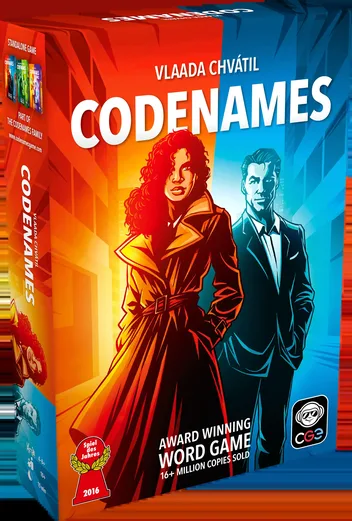
Codenames cover

Codenames

4.0

2015 · 4-8+ Players · 15-30 min · Competitive / Party / Word Association

Codenames earns its place as one of the defining party games of the modern era through a design that turns word association into a tense, social, and surprisingly strategic team contest. The spymaster role delivers some of the most satisfying moments in any party game, and the barrier to entry is close to zero. Downtime and the gap between the spymaster and guesser experience keep it from perfection. But with the right group size and a willingness to keep the pace moving, this is a game that belongs in nearly every collection.

Pandemic

4.0

2008 · 2-4 Players · 45 min · Cooperative Strategy

Pandemic helped define cooperative board gaming, and nearly two decades later it still works as one of the best entry points into the hobby. The infection deck creates escalating tension that makes every session feel like a race against the clock. Quarterbacking and a ceiling on replayability keep it from the very top tier, but those flaws matter less for the audience this game serves best. If you need one cooperative game to bring to a table of people who have never played modern board games, this is the one.

Sushi Go Party!

4.0

2016 · 2-8 Players · 20 min · Competitive / Card Drafting

Sushi Go Party! takes one of the best gateway games ever made and adds enough variety to keep it fresh for years. The menu customization system turns a simple card drafting game into something that fits almost any group at almost any size. Strategic depth has a hard ceiling, and players who need more to chew on will hit it quickly. But for the audience this game targets, families, casual groups, and anyone who needs a fast, friendly opener or closer for game night, very few games do the job this well at this price.

Ticket to Ride

4.0

2004 · 2-5 Players · 30-60 min · Competitive / Set Collection

Ticket to Ride is the game that has introduced more people to the modern board game hobby than almost anything else on the shelf. Twenty-two years after release, it still does that job better than most of its imitators. Limited strategic depth and card draw frustration keep it from satisfying experienced players over the long haul, but that was never its purpose. For families, mixed groups, and anyone looking for a first step beyond mass-market classics, this remains one of the best options available.

No Thanks!

3.9

2004 · 3-7 Players · ~20 min · Competitive

No Thanks! is a masterclass in minimalist game design. One rule, one decision per turn, and yet every card flip creates a tough choice that gets the whole table talking. The run-building mechanic adds a layer of strategy that rewards clever play while keeping things accessible enough for kids and non-gamers. Some hands will feel like the cards conspired against you, and at higher player counts the chaos can drown out the strategy. But for twenty years and counting, No Thanks! has been proving that great game design doesn't need complexity. It just needs one really good decision.

Memoir '44

3.8

2004 · 2 Players · 30-60 min · Competitive / Wargame

Memoir '44 is the gateway wargame that has introduced more people to the genre than perhaps any other title. The Commands and Colors system strips operational complexity down to its essentials while keeping the tactical tension of positioning, terrain, and timing. Dice and card randomness will frustrate players who want full control over outcomes, and experienced wargamers may find the base game too light. But for anyone curious about wargaming without the commitment of heavier systems, or for pairs looking for a quick historical strategy game with strong production values and endless scenarios, Memoir '44 remains the gold standard entry point.

Century: Spice Road

3.8

2017 · 2-5 Players · ~30-45 min · Competitive

Century: Spice Road is a clean, fast engine builder that earns its spot in the gateway game conversation. Building a hand of merchant cards that chain together into efficient spice conversions feels consistently satisfying, and the 30-minute playtime means it never wears out its welcome. It won't blow anyone's mind with novelty, and the lack of player interaction keeps it from generating big table moments. But as a game you can teach in five minutes, play in thirty, and immediately want to try again with a different approach, it does exactly what it sets out to do.

Citadels

3.8

2000 · 2-8 Players · ~30-60 min · Competitive

Citadels is a classic card game that turns role selection into a tense bluffing contest, and it's held up remarkably well for over two decades. The character draft is where the real game lives, and it rewards reading your opponents as much as planning your own moves. Higher player counts introduce downtime that can drag the experience down, and the take-that elements will rub some groups the wrong way. But for four or five players who enjoy getting into each other's heads, Citadels remains one of the most accessible and replayable bluffing games around.

Love Letter

3.8

2012 · 2-6 Players · ~20 min · Competitive

Love Letter is one of the most efficient designs in all of tabletop gaming, packing real decisions and social tension into a deck you can fit in your pocket. Its blend of deduction, bluffing, and push-your-luck works best at three or four players, where there's enough information to reason with but enough chaos to keep things exciting. The luck factor and player elimination will bother some groups, and the game does lose its shine at two. But as a five-minute opener, a restaurant time-killer, or a palate cleanser between heavier games, very few titles do it better.

Small World

3.8

2009 · 2-5 Players · 40-80 min · Competitive

Small World delivers a breezy, combative area control game that thrives on its race and power combinations. The declining mechanic keeps things moving, and the accessible rules make it easy to bring new players to the table. Kingmaking and limited long-term depth hold it back from greatness, but for groups looking for a competitive game with personality and variety, it fills that role well. Best at three or four players, where the map pressure hits the sweet spot.

Calico

3.8

2020 · 1-4 Players · ~30-45 min · Competitive / Tile-Laying / Puzzle

Calico is a beautifully produced puzzle game that hides real teeth behind its cozy exterior. The simple turn structure belies a decision space deep enough to challenge even experienced gamers, and the solo mode gives it staying power well beyond typical lightweight fare. Limited player interaction and the potential for analysis paralysis keep it from being a perfect fit for every group. But for anyone who finds satisfaction in optimizing a tricky spatial puzzle, preferably with cats involved, this one delivers.

Camel Up

3.8

2018 · 3-8 Players · ~30-45 min · Competitive / Family / Betting

Camel Up captures the thrill of race-day gambling in a box that fits on any family table. The stacking camel mechanic creates wild swings that turn every dice shake into an event, and the betting system gives players enough meaningful choices to feel invested without drowning in strategy. Predictable races and high-count chaos can undermine the experience on occasion. But for groups that want a game built entirely around excitement, laughter, and the joy of a well-timed bet, Camel Up is one of the best family games in the hobby.

Lords of Waterdeep

3.8

2012 · 2-5 Players · ~60 min · Competitive

Lords of Waterdeep is one of the best gateway worker placement games available, combining clean mechanics with enough strategic texture to keep experienced players interested across many sessions. The D&D setting adds flavor without adding complexity, and the building system gives every game a different tactical feel. It doesn't push the genre forward, but it executes the fundamentals so well that it doesn't need to.

Parks

3.8

2019 · 1-5 Players · ~40-70 min · Competitive / Worker Placement

Parks is one of the best-looking gateway games on the market, and its accessible worker placement and set collection mechanics make it easy to get to the table with almost any group. The trail mechanism gives it a breezy rhythm that keeps games moving, and the seasonal structure provides a natural arc that feels complete. Experienced gamers may outgrow it, and higher player counts can drag. But as an entry point to the hobby, a family game night centerpiece, or a light weeknight option, Parks delivers a pleasant experience that earns its wide appeal.

Sagrada

3.8

2017 · 1-4 Players · ~30-45 min · Competitive / Dice Drafting / Puzzle

Sagrada is a gorgeous dice-drafting puzzle that earns its place in the gateway game conversation through approachable rules, a satisfying spatial challenge, and some of the most eye-catching components in the hobby. Limited player interaction and a strategic ceiling mean it won't hold the attention of every group forever. But for players who find satisfaction in solving a colorful constraint puzzle over a quick 30 to 45 minutes, Sagrada does exactly what it sets out to do, and it looks fantastic doing it.

Splendor

3.8

2014 · 2-4 Players · 30 min · Competitive / Engine Building

Splendor is a brilliantly streamlined engine builder that does exactly one thing and does it with remarkable polish. Collecting gems to buy cards that let you collect better cards creates a satisfying acceleration curve that hooks new players and fills gaps between heavier games for experienced ones. Limited depth and a paper-thin theme hold it back from greatness, but over three million copies sold suggest most people don't mind. If you want a game that takes five minutes to teach and thirty minutes to play while still offering real decisions, Splendor remains one of the best options available.

Railroad Ink

3.7

2018 · 1-6 Players · 20-30 min · Competitive

Railroad Ink is one of the best entry points into the roll-and-write genre, combining accessible rules with a spatial puzzle that stays engaging across dozens of plays. The lack of player interaction is a real limitation for social gaming groups, but simultaneous play keeps the pace brisk and the compact format makes it easy to bring anywhere. A strong solo option and broad player count range give it versatility that few games at this weight can match.

Quoridor

3.7

1997 · 2-4 Players · ~15 min · Competitive

Quoridor is an elegant abstract strategy game that earns its reputation as one of the most accessible yet deeply strategic two-player experiences available. The wall placement mechanic transforms a simple race into a battle of positioning and foresight, and the game's fifteen-minute runtime makes it endlessly replayable. The four-player variant dilutes the tension, and the endgame can feel anticlimactic once walls run out, but at its core, Quoridor is the kind of clean, addictive design that makes you say 'one more game' every single time.

Lost Cities

3.7

1999 · 2 Players · ~30 min · Competitive / Card Game

Lost Cities is a two-player card game that has stayed in print for over 25 years through sheer design elegance. The tension between committing to expeditions and managing risk creates genuine drama from a minimal ruleset. Card luck matters more here than in comparable two-player games, and experienced hobbyists may find the decision space mapped out after extensive play. But as a gateway game for couples, a quick weeknight contest, or a travel-friendly option that rewards repeated play, it remains one of the strongest entries in the genre.

Raccoon Tycoon

3.5

2018 · 2-5 Players · ~60-90 min · Competitive

Raccoon Tycoon takes the concept of commodity speculation and market manipulation and makes it approachable enough for a family game night. The artwork by Annie Stegg is flat-out gorgeous, depicting its animal tycoons with a warmth and detail that elevates the entire production. The core loop of producing goods, manipulating prices, and auctioning railroads is satisfying in short bursts, and the game teaches quickly. It runs a bit long for its depth, the two-player auction experience falls flat, and veteran players may find the strategic ceiling lower than the elegant mechanisms suggest. As a gateway into economic gaming, Raccoon Tycoon does its job with charm and style.

Lanterns: The Harvest Festival

3.5

2015 · 2-4 Players · ~30 min · Competitive

Lanterns: The Harvest Festival blends tile laying and set collection into a clean, accessible package that keeps all players involved on every turn. The orientation mechanic, where every tile placement distributes cards to the entire table based on which color faces each player, gives the game an interactive quality that many tile-laying games lack. A reliance on luck and a tendency toward analysis paralysis in later rounds hold it back from greatness, and experienced groups may find the strategic ceiling lower than they'd like. For families and mixed groups looking for a pretty, quick, and easy-to-teach game with a gentle competitive edge, Lanterns fills that role well.

Marvel United

3.5

2020 · 1-4 Players · ~30 min · Cooperative

Marvel United delivers a fast, cooperative superhero experience that punches above its weight in accessibility and theme. The Storyline mechanic creates genuine teamwork moments, and the villain variety keeps early sessions interesting. Limited depth and a small card pool hold it back from being a long-term staple for experienced gamers, but families and Marvel fans will find a lot to enjoy in its breezy 30-minute sessions.

Qwixx

3.5

2012 · 2-5 Players · ~15 min · Competitive

Qwixx is a Spiel des Jahres nominee that helped launch the modern roll-and-write genre, and it remains one of the best pure filler games available. The rules take two minutes to explain, everyone stays engaged on every turn, and a full game wraps up in 15 minutes. Limited strategic depth and the consumable score sheet design hold it back from greatness, but as a travel game, family game, or warmup before heavier titles, Qwixx does exactly what it promises.

Bärenpark

3.5

2017 · 2-4 Players · 30-45 min · Competitive

Bärenpark is a clean, accessible polyomino puzzle that combines spatial reasoning with a satisfying tile acquisition system. The achievement variant is essential for long-term play, adding strategic goals that the base rules lack. Without it, the game risks feeling repetitive after a handful of sessions. But with achievements in play, Bärenpark offers a charming, family-friendly experience that rewards smart planning without demanding heavy analysis.

Takenoko

3.5

2011 · 2-4 Players · ~45 min · Competitive

Takenoko charms with its presentation and accessibility, using a panda, a gardener, and a growing bamboo garden to create a light strategy game that plays well with families and newcomers. The objective card system gives you clear goals to pursue, and the components are some of the best in gaming at this weight. It's too light for experienced gamers looking for depth, and the luck of objective card draws can determine outcomes more than strategy.

Forbidden Island

3.5

2010 · 2-4 Players · ~30 min · Cooperative Survival / Set Collection

Forbidden Island is a near-perfect gateway into cooperative board gaming. Matt Leacock distilled the core tension of working together against a rising threat into a package that teaches in minutes, plays in thirty, and creates genuine moments of panic and triumph along the way. Experienced players will outgrow it, the alpha player problem is real, and luck can occasionally overwhelm strategy. But for families, new gamers, and anyone looking for a cooperative game that earns its place through elegant simplicity and smart design at a budget-friendly price, this remains one of the best starting points in the hobby.

Catan

3.5

1995 · 3-4 Players · 60-90 min · Competitive / Trading / Resource Management

Catan remains one of the most important board games ever published, a gateway that brought millions of players into the hobby and still works well at a casual table with the right group. Dice luck and a shallow strategic ceiling keep it from competing with the best modern designs, and experienced gamers have largely moved on. But for families, newcomers, and anyone looking for an accessible game built around negotiation and trading, few titles have proven themselves over thirty years the way this one has. It earned its place in gaming history, even if it no longer sits at the top of the shelf.

King of Tokyo

3.5

2011 · 2-6 Players · ~30 min · Competitive / Dice Rolling

King of Tokyo is a fast, loud, dice-chucking brawl that works best when nobody at the table is looking for depth. Richard Garfield built a game that teaches in minutes, plays in thirty, and generates the kind of table moments that stick with families and casual groups for years. Luck runs the show more than most players would like, and the absence of unique monster abilities leaves the base game thinner than it could be. For groups who want a lightweight opener or a rowdy filler between heavier games, it delivers exactly what the box promises.