Tags / asymmetric

"asymmetric"

18 BuzzVerdicts

Pax Pamir (2nd Edition)

4.5

2019 · 1-5 Players · ~45-120 min · Competitive / Political

Pax Pamir (2nd Edition) is one of the finest strategy games produced in the last decade. It compresses the drama of shifting alliances, political betrayal, and imperial ambition into a package that plays in under two hours. The learning curve is real, the scoring system demands patience, and lower player counts lose some of the political magic. But at its best, this is a game where a single card play can redraw the entire power structure of the table, and every player feels the consequences. Few games create stories this memorable from mechanics this clean.

War of the Ring (2nd Edition)

4.5

2012 · 2-4 Players · ~150-180 min · Asymmetric Strategy / Wargame

War of the Ring is the definitive Lord of the Rings board game and one of the finest two-player strategy experiences ever designed. Its asymmetric systems capture the tension between military might and desperate hope with remarkable fidelity, and no two games unfold the same way. The time investment is real, the rules are dense, and the table space required is no joke. But for two players willing to commit an afternoon to Middle-earth, this is a game that delivers on its epic promise every single time.

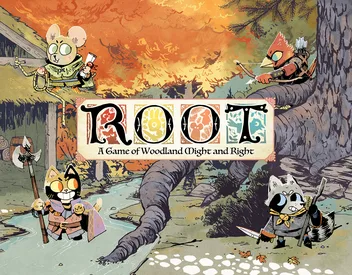
Root cover

Root

4.5

2018 · 2-4 Players · 60-90 min · Asymmetric Strategy / Area Control

Root is one of the most ambitious asymmetric designs in modern board gaming, and it delivers on that ambition with startling confidence. Every faction feels like its own game, yet they all interlock into a competitive ecosystem that rewards table talk, strategic reading, and repeat play. It demands a committed group willing to push through awkward early sessions, and it stumbles at two players without expansion support. But for a regular table of three or four who want a game that keeps evolving over dozens of sessions, Root is an extraordinary achievement that has earned every award on its shelf.

Spirit Island

4.5

2017 · 1-4 Players · 90-120 min · Cooperative Strategy

Spirit Island is one of the best cooperative board games ever designed. It solves the quarterbacking problem, delivers enormous replayability through wildly asymmetric spirits, and wraps it all in a theme that feels inseparable from its mechanics. The price of entry is a steep learning curve that will bounce casual players hard. But for anyone willing to climb that hill, what waits on the other side is a deeply rewarding strategic puzzle that keeps revealing new layers dozens of plays in.

Barrage

4.3

2019 · 1-4 Players · ~120 min · Worker Placement / Network Building

Barrage is one of the most interactive and cutthroat Euro games released in the last decade, a design that takes the worker placement genre and injects it with the territorial aggression of an area control game. The construction wheel, shared water system, and asymmetric company powers combine to create something that feels truly original in a crowded design space. It punishes passivity and rewards players who read the board and react to opponents as much as they plan their own builds. The learning curve is steep and the tone is merciless, but for groups that want their strategy games to have teeth, Barrage delivers a competitive experience that few other Euros can match.

Star Wars: Rebellion

4.3

2016 · 2-4 Players · ~180-240 min · Asymmetric Strategy / Wargame

Star Wars: Rebellion is the most faithful board game adaptation of the original Star Wars trilogy, and it earns that distinction through systems that make the cat-and-mouse hunt for the Rebel base feel every bit as tense as it should. The mission system creates stories that rival the films for drama, and the asymmetric design gives both sides a completely different but equally compelling strategic challenge. Combat needs work, the time commitment is substantial, and it lives or dies on having the right opponent. But for two players who want to wage their own Galactic Civil War across an afternoon, Rebellion is the real deal.

Terra Mystica

4.2

2012 · 2-5 Players · ~60-150 min · Competitive

Terra Mystica is a heavyweight euro where 14 asymmetric factions compete to terraform and build across a shared landscape, and the puzzle of managing four different resources while expanding your network is as compelling today as it was in 2012. Faction balance isn't perfect, the production looks dated, and the learning curve will eat your first game alive. But the depth of its interlocking systems and the tension of competing for territory on a tight map have earned it a permanent spot among the best strategy games ever made.

Scythe

4.2

2016 · 1-5 Players · 90-115 min · Strategy / Engine Building

Scythe delivers one of the most satisfying engine-building experiences in modern board gaming, wrapped in stunning alt-history artwork that practically sells itself off the shelf. Combat-hungry players will need to recalibrate their expectations, because this is a game about farming and upgrading far more than fighting. For groups of three or four who enjoy building toward something powerful and competing for territory without constant aggression, it remains a top-shelf recommendation almost a decade after release. It has earned its place as a modern classic, even if it is not quite the game its box art promises.

Letters from Whitechapel

4.0

2011 · 2-6 Players · 90-150 min · One vs Many / Asymmetric

Letters from Whitechapel is one of the finest hidden movement games ever designed, building tension across four nights of cat-and-mouse pursuit through Victorian London that most competitive games can only dream of producing. The asymmetric gameplay gives both sides distinctly different experiences, with Jack's secret movement creating an atmosphere of paranoia that keeps the entire table locked in. Long play sessions and occasional downtime for certain detectives prevent it from being a universal recommendation. But for groups who enjoy deduction, bluffing, and the slow tightening of a net around an invisible opponent, this is the game to own.

Voidfall

4.0

2023 · 1-4 Players · ~90-240 min · Competitive / Cooperative

Voidfall is a towering achievement in heavy strategy board gaming that demands real commitment from its players. The Focus card system creates agonizing, rewarding decisions every turn, and the sheer volume of asymmetric houses, modular maps, and technology combinations means you could play dozens of times without repeating the same experience. It shines brightest as a solo or two-player puzzle, though its steep learning curve and marathon setup times will test even the most dedicated gamers.

Dune (2019)

4.0

2019 · 2-6 Players · ~120-180 min · Competitive / Negotiation

Dune (2019) is a faithful reprint of one of the most important designs in board gaming history, and at six players it remains a peak experience. The asymmetric factions capture the spirit of Herbert's universe with remarkable precision, the negotiation and alliance systems create unforgettable dramatic moments, and no two games play alike. Getting six people together for a three-hour commitment is the game's biggest barrier, and lower player counts can't replicate what makes it special. But when the stars align and you have the right group, this is about as good as tabletop gaming gets.

Andromeda's Edge

4.0

2024 · 1-5 Players · 80-160 min · Strategy / Engine Building

Andromeda's Edge is a dense, rewarding strategy game that asks a lot from its players and gives back generously for those willing to invest. The engine-building loop is among the best in the genre, with the recall mechanic creating moments of satisfaction every time your plans come together. Faction variety and a modular setup give it long legs for dedicated groups. It stumbles on accessibility, with a steep learning curve, heavy setup demands, and visual clutter that can overwhelm first-timers. For experienced gamers looking for their next big strategic commitment, it delivers something worth the shelf space.

Unmatched

4.0

2019 · 2-4 Players · ~20-40 min · Asymmetric Card Combat

Unmatched is a fast, elegant card combat system that makes every matchup feel distinct and every decision matter. The quick playtime and easy teach get it to the table constantly, while the ever-growing roster of fighters keeps things fresh for players willing to invest. It needs a regular opponent to reach its full potential, and buying additional sets feels essential rather than optional. But as a two-player dueling game that rewards skill without drowning anyone in complexity, this is one of the best on the market.

Whitehall Mystery

3.8

2017 · 2-4 Players · ~45-60 min · One vs Many / Asymmetric

Whitehall Mystery is a sharp, accessible distillation of the hidden movement genre that trades depth for speed and still delivers genuine cat-and-mouse tension. It works best as a two-player duel where both sides are fully engaged, though the streamlining that makes it approachable also strips away some of the psychological warfare that makes its predecessor so memorable. For groups wanting a brisk, teachable entry point into hidden movement without committing an entire evening, this fits the bill perfectly.

Specter Ops

3.8

2015 · 2-5 Players · ~60-120 min · Competitive

Specter Ops is one of the most polished hidden movement games available, translating the cat-and-mouse tension of stealth infiltration into a board game that's easy to learn and consistently exciting. The asymmetric agent-versus-hunter structure creates wildly different experiences depending on your role, and the variable powers keep games feeling fresh. Player count sensitivity is real, with the three-player configuration feeling unbalanced and the five-player mode adding unnecessary complexity. But at its best player count of four, Specter Ops delivers tension and thrills that few deduction games can match.

Oath: Chronicles of Empire and Exile

3.8

2021 · 1-6 Players · 45-150 min · Competitive / Chronicle

Oath is one of the most ambitious and polarizing board games in recent memory. When it works, the emergent stories it generates are unlike anything else in the hobby. A game where one player's betrayal reshapes the political order for every session that follows creates memories that persist long after the table is cleared. But that ambition comes with real costs: kingmaking is baked into the design, the rules are demanding, and the game needs a committed group willing to play repeatedly. With the right people, Oath is magnificent. Finding those people is the hard part.

Scotland Yard

3.5

1983 · 3-6 Players · ~45 min · One vs Many / Asymmetric

Scotland Yard helped invent the hidden movement genre, and more than four decades later it still works as a family-friendly deduction game that almost anyone can learn in minutes. The transportation ticket system creates a clever layer of information management that rewards careful observation, and the cooperative detective play generates table talk that keeps everyone involved. It shows its age in some areas, with Mr. X holding a significant advantage in experienced play and the board itself being harder to read than it should be. But as a gateway game that introduces asymmetric play to new audiences, Scotland Yard remains one of the best options available.

Villainous

3.5

2018 · 2-6 Players · ~50-120 min · Competitive / Asymmetric / Hand Management

Villainous is a striking production with a clever asymmetric design that captures the fantasy of playing as a Disney antagonist better than any game before it. The villain-specific decks and unique win conditions give it variety that most family-weight games can't touch. Balance issues between characters and a tendency to drag at higher player counts hold it back from greatness. If you can keep games to two or three players and pick your villain matchups carefully, there's a lot to enjoy here.