Tags / family

"family"

105 BuzzVerdicts across Movies (10), TV Shows (17), Books (3), Board Games (73), Mobile Games (2)

The Iron Giant

4.7

1999 · Brad Bird · 86 min · Animation / Sci-Fi

Brad Bird made a film about a boy and a giant robot that manages to be funnier, smarter, and more emotionally devastating than most live-action dramas twice its length. The animation is gorgeous, the voice cast nails every beat, and the story asks questions about identity and choice that resonate with adults just as powerfully as they do with children. A thin villain and a predictable structure are real flaws, but they barely register against everything the film gets right. This is one of those rare movies that was ignored when it mattered and then slowly, stubbornly proved the world wrong.
The Wizard of Oz

4.5

1939 · Victor Fleming · 102 min · Fantasy / Musical

Eighty-five years later, The Wizard of Oz still works. The transition from sepia Kansas to Technicolor Oz remains one of cinema's great visual moments, the songs have never left the cultural vocabulary, and the story's emotional logic holds up even when the special effects show their age. Judy Garland's performance anchors the entire production with a sincerity that cuts through the spectacle, making Dorothy's journey feel personal rather than fantastical. The pacing sags in places, the Scarecrow's logic is sometimes questionable, and younger viewers raised on modern effects may find Oz less wondrous than their grandparents did. None of that has dimmed its power as a piece of pure, earnest storytelling about finding that what you need was with you all along.

E.T. the Extra-Terrestrial

4.5

1982 · Steven Spielberg · 115 min · Sci-Fi / Family / Adventure

E.T. the Extra-Terrestrial endures because Spielberg built it around something timeless: a lonely kid who needs a friend. The special effects have aged, and the pacing carries the rhythms of a different era of filmmaking. But the emotional core is bulletproof. Henry Thomas gives one of the great child performances in cinema history, and John Williams' score does things to your heart that four decades haven't diminished. It's a film that earns every tear it asks for.

Educated

4.5

2018 · Tara Westover · 334 pages · Non-Fiction

Tara Westover's memoir about growing up in a survivalist family in Idaho and eventually earning a PhD from Cambridge is one of the most gripping non-fiction narratives published in recent years. The writing is controlled and precise, rendering scenes of domestic danger and intellectual awakening with equal vividness. Westover doesn't moralize about her family or her choices, and that restraint gives the book its power. Some readers question the reliability of memory in a book that reconstructs dialogue and scenes from childhood. Others find the later academic chapters less compelling than the harrowing early sections. But as a story about what it means to educate yourself out of one world and into another, and what you lose in the process, it's unforgettable.

Coco

4.5

2017 · Lee Unkrich, Adrian Molina · 105 min · Animation / Fantasy / Comedy-Drama

Coco is Pixar operating at something close to full power, using the studio's technical brilliance and emotional precision to tell a story about family, memory, and what it means to truly disappear. The cultural authenticity gives it a specificity that most animated films lack, and the final act delivers the kind of gut-punch that Pixar has built its reputation on. A somewhat predictable villain reveal and a few too many familiar story beats keep it just short of the studio's absolute peak. But when Miguel sings to his great-grandmother in that final scene, none of that matters. You'll be too busy trying to hold it together.

Finding Nemo

4.5

2003 · Andrew Stanton · 100 min · Animation / Adventure / Comedy-Drama

Finding Nemo remains one of Pixar's finest achievements, a film that works as a colorful underwater adventure for kids and a surprisingly affecting meditation on parenthood and letting go for everyone else. Dory alone is worth the price of admission. The episodic structure keeps it from building the kind of sustained momentum that Pixar's very best films manage, and a few of the supporting characters fade into the background. But the emotional core, a terrified father learning that love means giving his kid room to fail, hits just as hard on the twentieth viewing as it did on the first.

My Neighbor Totoro

4.5

1988 · Hayao Miyazaki · 86 min · Fantasy

My Neighbor Totoro is one of those rare films that does something almost no other movie attempts, let alone pulls off. It tells a story about nothing dramatic and makes it feel like everything. Miyazaki's confidence in quiet moments, his trust that children's joy is compelling enough to carry a film, results in something that feels less like watching a movie and more like remembering what it was like to be small. It won't satisfy everyone, and it doesn't try to. That's part of why it works.

Six Feet Under

4.5

2001 · 5 Seasons · HBO · Drama

A family that runs a funeral home becomes the vehicle for one of television's most honest explorations of mortality, grief, and the messy business of being alive. The performances are uniformly excellent, the writing swings between dark comedy and genuine devastation without ever losing its balance, and the series finale remains the gold standard for how to end a show. Seasons three and four stumble in places, and the pacing will test anyone looking for conventional drama. None of that diminishes the cumulative power of what Alan Ball and his cast built across 63 episodes. Few shows have ever understood their own subject this completely.

Succession

4.5

2018 · 4 Seasons · HBO · Satirical Drama / Black Comedy

Succession spent four seasons dissecting a family of media billionaires tearing each other apart over a company none of them truly deserved, and it did so with a level of craft that put it among the best television of its era. The writing is razor-sharp, the performances are extraordinary across the board, and the show's ability to make you laugh and wince in the same scene is something very few series have pulled off this consistently. Season 3 loses some momentum, and the early episodes ask you to spend time with people you may actively dislike before the show's grip fully tightens. Those are real flaws in an otherwise exceptional piece of work, one that stuck the landing and left a permanent mark on prestige television.

The Crew: Mission Deep Sea

4.5

2021 · 2-5 Players · 20 min · Cooperative / Trick-Taking

The Crew: Mission Deep Sea takes the cooperative trick-taking concept that made the original a hit and expands it into something richer, more varied, and better suited to different group sizes. It asks players to solve puzzles together without being allowed to talk about them, and that constraint produces some of the most satisfying moments in any card game at this price point. A weak two-player variant and occasional impossible draws hold it back from perfection. But for groups of three to five who want a cooperative game that plays fast, teaches easy, and keeps pulling you back to the table, this is about as good as it gets.

Scout

4.4

2019 · 2-5 Players · ~15-20 min · Competitive

Scout is a pocket-sized ladder climbing game that packs a surprising amount of tension into its 15 minutes. The dual-value cards and the rule that you can't rearrange your hand create real decisions from the very first turn. It shines brightest at three or four players, and it's one of those rare fillers that experienced gamers and newcomers can enjoy equally. If you don't already own a copy, you probably should.

Phineas and Ferb

4.3

2007 · 4 Seasons · Disney Channel · Animation, Comedy, Musical

Phineas and Ferb turned a simple summer vacation premise into one of the smartest and most consistently entertaining animated comedies of its generation. Its songs are absurdly catchy, its humor works on multiple levels, and the Perry and Doofenshmirtz dynamic is one of the best comedic pairings in animation history. The formula gets repetitive if you binge too many episodes back to back, and the show never really evolves beyond its established structure. But within that structure, it operates at a level of craft and wit that most children's shows can only dream of reaching.

Bomb Busters

4.3

2024 · 2-5 Players · 20-40 min · Cooperative / Deduction

Bomb Busters takes a dead-simple concept and builds it into something that keeps pulling you back to the table. Sixty-six missions with escalating rules and unlockable content give it a lifespan that dwarfs most games at this weight. Component quality and setup time keep it from perfection, but the core deduction puzzle is so satisfying that those issues barely register once play begins. For groups looking for a cooperative game that rewards logic without demanding hours of commitment, this is one of the best options available right now.

Malcolm in the Middle

4.2

2000 · 7 Seasons · FOX · Comedy

Malcolm in the Middle redefined what a family sitcom could look like by removing the laugh track, embracing visual comedy, and centering a dysfunctional working-class family whose chaos felt more real than any pristine TV household. Bryan Cranston's Hal is one of television's greatest comic performances, Frankie Muniz's fourth-wall-breaking narration gives the show a distinctive voice, and the Wilkerson boys' escalating destruction provides physical comedy that still hasn't been matched. The later seasons lose some of the anarchic energy as the novelty fades.

A Quiet Place

4.2

2018 · John Krasinski · 90 min · Horror, Sci-Fi

A Quiet Place is a masterclass in tension built from a single, simple idea executed with extraordinary discipline. Krasinski's direction is confident, the performances are raw and grounded, and the film's use of silence as a weapon against its audience is genuinely innovative. It has plot holes you could drive a truck through, but the emotional core is strong enough that most viewers don't care until the credits roll. One of the most effectively crafted horror films of its decade.

Faraway

4.2

2023 · 2-6 Players · ~15-30 min · Competitive

Faraway takes a familiar card-drafting framework and flips it upside down, literally building its entire identity around scoring in reverse. The first time you play, the mechanic is disorienting. By the third game, it's the whole reason you keep coming back. Fast, replayable, and cleverly designed, it's one of the best short games to come out of 2023 and a natural recommendation for anyone who wants something that feels fresh without a steep learning curve.

Ticket to Ride: Europe

4.2

2005 · 2-5 Players · 30-60 min · Competitive / Route Building / Set Collection

Ticket to Ride: Europe takes the formula that made the original a modern classic and improves it in almost every meaningful way. Tunnels, ferries, and stations add just enough decision-making to satisfy players who found the base game too simple, without pushing the complexity past what a family can handle on a weeknight. A loose two-player mode and a ceiling on long-term depth keep it from the highest tier, but for its intended audience this is about as good as gateway board gaming gets. If you're only going to own one version of Ticket to Ride, this is the one to buy.

The Quest for El Dorado

4.2

2017 · 2-4 Players · ~30-60 min · Competitive / Deck Building / Racing

The Quest for El Dorado is one of the cleanest designs in modern board gaming, fusing deck building and racing into something that feels both familiar and completely fresh. Reiner Knizia stripped the deck-building genre down to its essentials and gave it a physical goal that makes every card purchase feel urgent and consequential. The card market lacks some variety at higher play counts, and experienced deck-building veterans will eventually map the strategic space. But as an accessible, replayable, and consistently exciting game for two to four players, this is a modern classic that earns its reputation.

A Thousand Splendid Suns

4.1

2007 · Khaled Hosseini · 384 pages · Literary Fiction

Khaled Hosseini's second novel centers two Afghan women across three decades of war, oppression, and an unlikely bond forged under impossible conditions. The emotional power is enormous, driven by characters so believable they feel biographical. Hosseini's direct prose generates real momentum, and the portrait of Afghanistan from the Soviet era through the Taliban years gives the personal story historical weight. The second half moves too fast for its own good, and some readers find the plotting heavy-handed, but the relationship between Mariam and Laila carries the book through its weaker moments.

The Fabelmans

4.1

2022 · Steven Spielberg · 151 min · Drama

The Fabelmans is Spielberg turning the camera on himself and finding that the story of how he became a filmmaker is also the story of how he lost his family. Michelle Williams gives a performance of startling vulnerability, Gabriel LaBelle carries the film with skill beyond his years, and the filmmaking sequences capture the intoxicating discovery of artistic purpose like nothing else in recent cinema. It's more personal than polished, which is exactly what makes it feel like something new from a director who's been doing this for fifty years.

KLASK

4.1

2014 · 2 Players · ~10 min · Competitive

KLASK captures the frantic energy of air hockey and foosball in a compact wooden board controlled by magnets underneath, and the result is one of the most immediately fun two-player experiences in tabletop gaming. The tiny magnetic obstacles add a layer of chaos that keeps skilled players honest and newcomers competitive. It has no strategic depth to speak of and lives or dies on whether you enjoy physical dexterity games, but for what it sets out to do, KLASK does it about as well as anything on the market.

Skull King

4.0

2013 · 2-6 Players · ~30-45 min · Competitive

Skull King takes the classic trick-taking formula and wraps it in a pirate theme that actually matters, turning bid prediction into a tense and frequently hilarious experience. The escalating round structure builds beautifully from simple one-card decisions to chaotic ten-card showdowns, and the special card hierarchy adds just enough spice to keep even experienced card players on their toes. Scoring can feel convoluted at first, and the luck factor means your best-laid plans will sometimes sink without a trace. For groups that enjoy controlled chaos at the card table, this is one of the best trick-takers available.

Junk Art

4.0

2016 · 2-6 Players · ~30 min · Competitive

Junk Art stands apart from the crowded dexterity genre by offering more than ten distinct game modes that change how players draft, stack, and score from round to round. The wooden pieces are wonderfully awkward, creating genuine tension and laugh-out-loud moments as structures grow taller and less stable. Some players will find the core experience too simple beneath all the variety, and production quality matters more here than in most games. For groups that want a physical, social, accessible game that plays differently every time it hits the table, Junk Art delivers in a way few competitors can match.

The Other Two

4.0

2019 · 3 Seasons · Comedy Central / Max · Comedy / Satire

The Other Two is one of the sharpest comedies about fame and family from the past decade, following two floundering adult siblings as their teenage brother becomes an overnight internet celebrity. Across three seasons, the show evolved from grounded showbiz parody into increasingly surreal satire while never losing sight of the very real insecurities driving its characters. It's laugh-out-loud funny, surprisingly moving, and one of the most under-seen comedies of its era.

Ticket to Ride Legacy: Legends of the West

4.0

2024 · 2-5 Players · ~20-90 min · Competitive / Campaign / Legacy

Ticket to Ride Legacy: Legends of the West is the most accessible legacy game ever made, and for many families it will be the first time they experience the thrill of a board game that remembers what you did last session. The 12-game campaign introduces new mechanics at a pace that keeps each session fresh without ever overwhelming, and the journey from East Coast to open frontier carries genuine momentum. The narrative itself is thin, and experienced legacy players may find the whole thing plays it safe. But for the audience it's designed for, this is an excellent introduction to campaign-style board gaming built on one of the hobby's most reliable foundations.

The Glass Castle

4.0

2005 · Jeannette Walls · 288 pages · Non-Fiction

Jeannette Walls' memoir about growing up with brilliant, charismatic, deeply irresponsible parents is a story that shouldn't work as well as it does. The childhood sections, where hunger and danger are filtered through a child's sense of adventure, are some of the most vivid memoir writing in recent decades. Walls manages to love her parents on the page without excusing them, and that balance gives the book its distinctive emotional texture. The adult chapters are less remarkable, and some readers wish the book engaged more directly with the anger buried beneath its forgiving surface. But as a portrait of a family that is simultaneously magical and negligent, it's a book that earns its massive readership.

Quacks of Quedlinburg: The Herb Witches

4.0

2019 · 2-5 Players · ~45-75 min · Competitive

The Herb Witches is a lean, well-designed expansion that fixes a couple of gaps in the base Quacks experience without overcomplicating what makes it great. The new witches give every player a clutch power to lean on, and the overflow pots add a satisfying release valve to those late-game pulls. It doesn't reinvent anything, and the content count is modest, but almost everything in the box earns its place at the table.

For Sale

4.0

1997 · 3-6 Players · ~20-30 min · Competitive

For Sale has been doing one thing for nearly three decades, and it still does that thing better than almost anything released since. Two phases of auction give it a surprising arc for a game that wraps up in half an hour, and the decisions feel meaningful even though you're only ever choosing one card or one bid. Component quality in some editions leaves something to be desired, and card distribution introduces luck that strategic play can only partially offset. None of that has stopped it from landing on virtually every 'best filler' list in existence. There's a reason it keeps showing up, and the only way to understand is to play a round.

Just One

4.0

2018 · 3-7 Players · ~20 min · Cooperative / Party

Just One takes the simplest possible party game concept and makes it sing through a single brilliant rule: duplicate clues get eliminated. That mechanic transforms what could have been a forgettable word game into something that generates tension, laughter, and genuine strategic thinking at every player count. Limited card supply and a lower ceiling for experienced gamers keep it from being a forever game. But as a cooperative party experience that anyone can learn in one minute and enjoy immediately, Just One has earned its place among the best in the genre.

Kingdomino

4.0

2016 · 2-4 Players · ~15-20 min · Competitive / Tile Placement

Kingdomino is a masterclass in elegant game design, proving that a fifteen-minute game with simple rules can still make you think. The domino drafting system creates interesting decisions every turn, and the spatial puzzle of building your kingdom never gets old across dozens of sessions. It won the Spiel des Jahres for good reason. Experienced hobby gamers will bump against the strategic ceiling faster than they'd like, but for families, couples, and anyone who appreciates tight design in a small package, Kingdomino is one of the best games at this weight class.

The Quacks of Quedlinburg

4.0

2018 · 2-4 Players · ~45 min · Competitive / Push Your Luck / Bag Building

The Quacks of Quedlinburg is a bag-building game that turns luck into a feature rather than a flaw, creating moments of collective excitement that heavier games rarely produce. Its simultaneous play keeps everyone engaged, the ingredient variety gives it real staying power, and the catch-up mechanism prevents blowouts from ruining the fun. Players who need to feel in control of their destiny will bounce off it hard. But for groups that want a game where the entire table erupts when someone draws one chip too many, Quacks delivers that feeling every single round.

Santorini

4.0

2016 · 2-4 Players · ~20 min · Competitive / Abstract

Santorini is one of the sharpest abstract strategy games you can buy, hiding real competitive depth beneath a Greek mythology theme and a ruleset that takes less than a minute to explain. The god powers give it a shelf life that most abstracts can't match, and the short play time makes rematches almost automatic. It stumbles a bit beyond two players and a few power matchups feel lopsided, but those are minor marks against what is otherwise a near-perfect gateway to competitive two-player gaming. If you want a game that rewards thinking ahead and punishes sloppy moves, all wrapped up in twenty minutes, this is it.

Wavelength

4.0

2019 · 2-12 Players · ~30-45 min · Team-Based / Party

Wavelength turns a simple concept into one of the most discussion-driven party games available. The spectrum mechanic generates conversations that swing between thoughtful analysis and complete absurdity, and the reveal of the hidden target creates moments of genuine excitement that few party games can produce. It needs engaged players to work, and quieter groups will find less to love here. But when the table is willing to argue about whether hot dogs are closer to a sandwich or a taco, Wavelength is operating at a level most party games never reach.

Azul

4.0

2017 · 2-4 Players · 30-45 min · Competitive / Abstract / Tile Drafting

Azul is one of the best gateway games released in the last decade, wrapping real strategic bite inside a package that looks like it belongs on a coffee table. The tile drafting creates tension that most games at this weight class simply can't produce, and the component quality remains a high point years after release. A thin theme and a strategic ceiling keep it from reaching the top tier for experienced hobbyists. But for anyone looking for a fast, beautiful game that rewards smart play and punishes careless decisions, Azul delivers.

Carcassonne

4.0

2000 · 2-5 Players · 30-45 min · Competitive / Tile Laying

Carcassonne remains one of the most important gateway games ever published, and more than two decades after release, the design still holds up. Tile draw luck and a low strategic ceiling will eventually push experienced players toward heavier options, but no game in this weight class combines accessibility, competition, and replayability this effectively. If you need one game to introduce someone to modern board gaming, this is the safest recommendation in the hobby.

Cascadia

4.0

2021 · 1-4 Players · 30-45 min · Competitive / Tile-Laying / Puzzle

Cascadia is a Spiel des Jahres winner that earns its reputation through elegant simplicity and a dual puzzle that stays interesting across dozens of plays. Limited player interaction and a lack of mechanical novelty keep it from exciting everyone, but that was never the goal. This is a game built to welcome people to the hobby and give experienced players something calm and satisfying to reach for on a weeknight. It does both of those things better than almost anything at its weight.

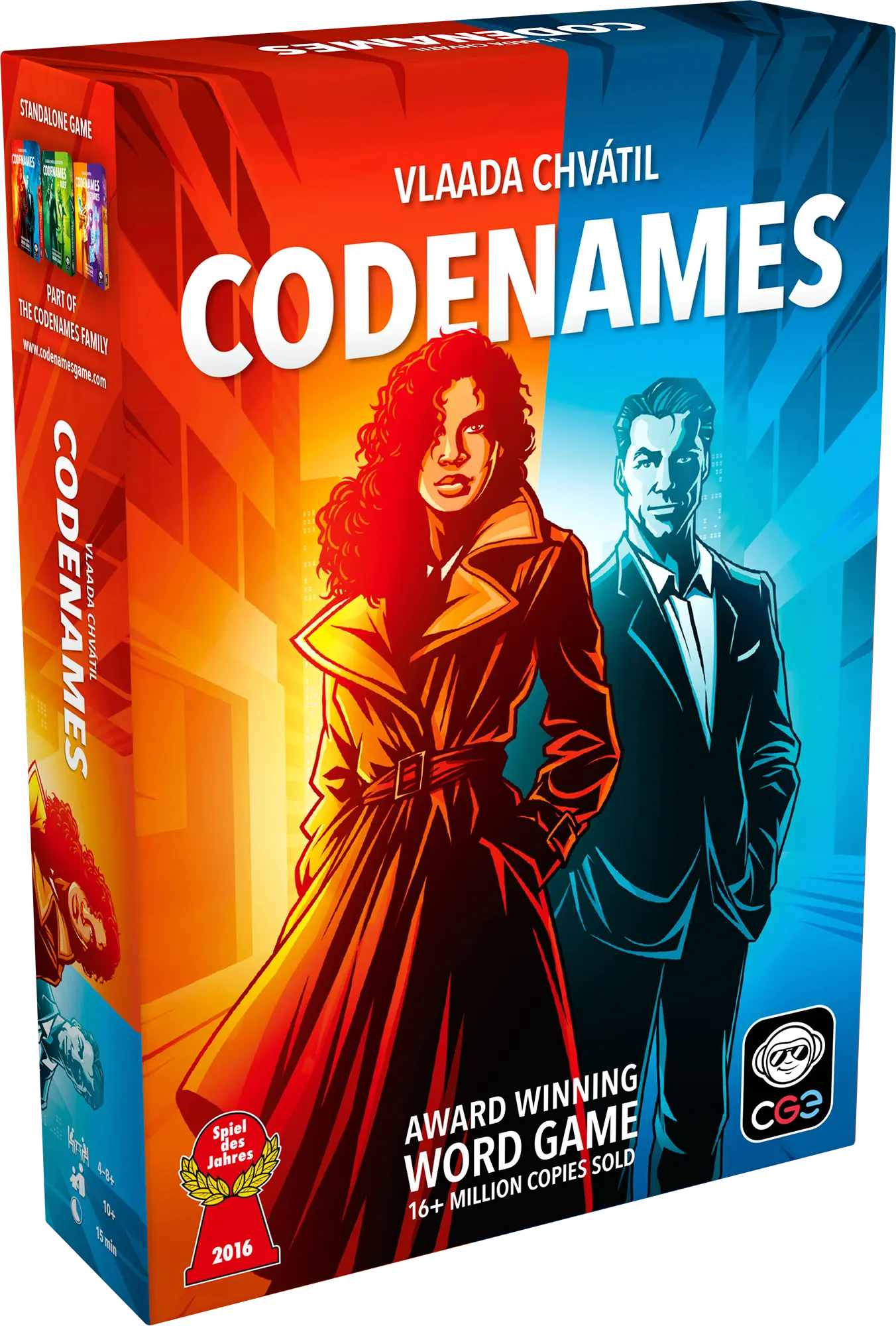
Codenames cover

Codenames

4.0

2015 · 4-8+ Players · 15-30 min · Competitive / Party / Word Association

Codenames earns its place as one of the defining party games of the modern era through a design that turns word association into a tense, social, and surprisingly strategic team contest. The spymaster role delivers some of the most satisfying moments in any party game, and the barrier to entry is close to zero. Downtime and the gap between the spymaster and guesser experience keep it from perfection. But with the right group size and a willingness to keep the pace moving, this is a game that belongs in nearly every collection.

Everdell

4.0

2018 · 1-4 Players · 40-80 min · Competitive / Worker Placement

Everdell is one of the best-looking games in the hobby and a good one underneath all that polish. It blends worker placement and tableau building into something accessible enough for newer players but engaging enough to hold up over repeat sessions. Card luck and a strategic ceiling keep it from competing with heavier designs, but that was never the goal. For groups who want a warm, inviting game that plays in about an hour, Everdell earns its reputation.

Harmonies

4.0

2024 · 1-4 Players · 30-45 min · Competitive / Pattern Building

Harmonies takes familiar drafting and pattern-building mechanisms and wraps them around a spatial puzzle that feels fresh thanks to its three-dimensional construction. Limited player interaction and occasional market stagnation keep it from reaching the top tier, but the core experience of building a colorful habitat on your personal board is consistently satisfying. For groups looking for a quick, attractive game that bridges the gap between casual and strategic play, this one earns its spot on the shelf.

Heat: Pedal to the Metal

4.0

2022 · 1-6 Players · 30-60 min · Competitive / Racing

Heat: Pedal to the Metal is the best racing board game most people will ever need. Its card-driven engine captures the tension between speed and control in a way that dice-based racers never could, and simultaneous play keeps everyone locked in from start to finish. Catch-up mechanics and a depth ceiling will frustrate players looking for pure strategic competition. But for groups wanting a racing game that actually feels like racing, this one crosses the finish line well ahead of the field.

Pandemic

4.0

2008 · 2-4 Players · 45 min · Cooperative Strategy

Pandemic helped define cooperative board gaming, and nearly two decades later it still works as one of the best entry points into the hobby. The infection deck creates escalating tension that makes every session feel like a race against the clock. Quarterbacking and a ceiling on replayability keep it from the very top tier, but those flaws matter less for the audience this game serves best. If you need one cooperative game to bring to a table of people who have never played modern board games, this is the one.

Sushi Go Party!

4.0

2016 · 2-8 Players · 20 min · Competitive / Card Drafting

Sushi Go Party! takes one of the best gateway games ever made and adds enough variety to keep it fresh for years. The menu customization system turns a simple card drafting game into something that fits almost any group at almost any size. Strategic depth has a hard ceiling, and players who need more to chew on will hit it quickly. But for the audience this game targets, families, casual groups, and anyone who needs a fast, friendly opener or closer for game night, very few games do the job this well at this price.

Ticket to Ride

4.0

2004 · 2-5 Players · 30-60 min · Competitive / Set Collection

Ticket to Ride is the game that has introduced more people to the modern board game hobby than almost anything else on the shelf. Twenty-two years after release, it still does that job better than most of its imitators. Limited strategic depth and card draw frustration keep it from satisfying experienced players over the long haul, but that was never its purpose. For families, mixed groups, and anyone looking for a first step beyond mass-market classics, this remains one of the best options available.

Wingspan

4.0

2019 · 1-5 Players · 40-70 min · Competitive / Engine Building

Wingspan is a beautifully produced engine builder that earns its massive audience through accessible design and a theme that actually matters. Limited player interaction and some card draw luck keep it from the top tier of strategy games, but that misses the point. This is a game that brings people into the hobby and keeps experienced players coming back for relaxed weeknight sessions. Few games do both of those things this well.

Hugo

3.9

2011 · Martin Scorsese · 126 min · Adventure / Drama / Family

Hugo is Martin Scorsese making a children's film that doubles as an argument for why cinema matters, and the result is something too unusual to fit neatly into any category. The 3D cinematography is among the best ever produced, Paris in the 1930s is rendered with genuine wonder, and the film's emotional payoff around the history of early filmmaking is surprisingly powerful. The first half struggles with pacing as it establishes its clockwork mystery, and younger audiences may find the extended love letter to silent cinema more educational than exciting. It's a beautiful, heartfelt, slightly uneven film that finds Scorsese operating far outside his comfort zone with more success than he's often given credit for.

No Thanks!

3.9

2004 · 3-7 Players · ~20 min · Competitive

No Thanks! is a masterclass in minimalist game design. One rule, one decision per turn, and yet every card flip creates a tough choice that gets the whole table talking. The run-building mechanic adds a layer of strategy that rewards clever play while keeping things accessible enough for kids and non-gamers. Some hands will feel like the cards conspired against you, and at higher player counts the chaos can drown out the strategy. But for twenty years and counting, No Thanks! has been proving that great game design doesn't need complexity. It just needs one really good decision.

Rhino Hero

3.8

2011 · 2-5 Players · ~5-15 min · Competitive

Rhino Hero is a small, brilliant dexterity game that earns its place in any family collection through sheer fun. The tower-building mechanic creates escalating tension with every card placed, and the moment the structure finally topples always produces genuine laughter and excitement. It's light on strategy and over quickly, but that's the point. For families, for parties, for any situation where you want everyone at the table grinning, Rhino Hero delivers something that more complex games simply can't replicate.

Mysterium Park

3.8

2020 · 2-7 Players · ~30 min · Cooperative

Mysterium Park takes the core experience of its predecessor and strips it down to a faster, more accessible package without losing what made the original work. The asymmetric ghost-and-psychic dynamic still produces hilarious miscommunications and triumphant breakthroughs, and the streamlined setup means it actually gets to the table. Vision card ambiguity can frustrate groups that want clearer communication, and the reduced atmosphere compared to the original is a real trade-off. For anyone looking for a cooperative deduction game that plays in 30 minutes and welcomes players of all experience levels, this is one of the best options available.

Azul: Summer Pavilion

3.8

2019 · 2-4 Players · 30-45 min · Competitive

Azul: Summer Pavilion takes the tile-drafting core of the original Azul and expands it with wild tiles, star patterns, and combo-driven placement scoring. The result is a deeper, more strategic game that rewards forward planning without losing the elegance of its predecessor. Longer playtime and increased downtime during the placement phase are real trade-offs, but players who wanted more to think about from the Azul formula will find Summer Pavilion delivers exactly that.

Living Forest

3.8

2021 · 1-4 Players · ~40 min · Competitive

Living Forest combines push-your-luck card draws with action selection and deck building in a nature-themed package that won the Kennerspiel des Jahres in 2022. The tension of deciding when to stop drawing guardian animal cards, balancing risk against the actions your draw enables, creates exciting moments every turn. The three-path victory condition keeps strategies diverse, and the production is beautiful. The push-your-luck element can feel punishing when it goes wrong, and experienced players sometimes find the strategy shallower than the multiple systems suggest.

The Fresh Prince of Bel-Air

3.8

1990 · 6 Seasons · NBC · Comedy

The Fresh Prince of Bel-Air made Will Smith a star through a fish-out-of-water comedy that was funnier, more culturally significant, and more emotionally complex than its premise suggested. The class and cultural dynamics between Will and the Banks family provide comedy with genuine social observation, and the dramatic episodes, particularly the famous father scene, achieve an emotional power that transcends the sitcom form. The later seasons lose creative energy as the show became more of a vehicle for Smith's stardom than a comedy about culture clash.

Little Fires Everywhere

3.8

2020 · 1 Season · Hulu · Drama

Little Fires Everywhere benefits enormously from the combustible pairing of Reese Witherspoon and Kerry Washington as two mothers whose opposing worldviews collide in a planned community where rules are everything. The show explores race, class, motherhood, and the limits of good intentions with enough nuance to provoke genuine reflection. It occasionally overplays its hand with melodramatic plot turns, and the custody battle subplot carries more thematic weight than it can always support dramatically.

Modern Family

3.8

2009 · 11 Seasons · ABC · Comedy

Modern Family redefined the family sitcom for a new era by presenting a multigenerational, diverse family through the mockumentary lens that made each episode feel intimate and immediate. The first five seasons deliver some of the sharpest, warmest comedy of the 2010s, with an ensemble so perfectly cast that every family member gets their share of standout moments. The later seasons ran on momentum rather than invention, and eleven seasons was several too many, but the family it built remains one of television's most endearing.

Forest Shuffle

3.8

2023 · 2-5 Players · 40-60 min · Competitive

Forest Shuffle blends accessible card play with satisfying combo potential, wrapping it all in charming woodland artwork that makes the game a pleasure to look at. The split-card design creates meaningful decisions about which half of a card to use, and the shared clearing ensures players stay aware of each other's plans. Scoring can be tedious to calculate at the end, and the luck of the draw occasionally overwhelms strategy. But as a breezy tableau builder that rewards repeated plays, Forest Shuffle earns its spot alongside the best lightweight card games in the hobby.

MicroMacro: Crime City

3.8

2020 · 1-4 Players · 15-45 min · Cooperative

MicroMacro: Crime City turns a poster-sized city map into a cooperative detective game where crimes are solved by tracing characters' movements through time. The concept is brilliantly simple: follow the visual clues embedded in the detailed illustration to piece together what happened, who did it, and why. The 16 cases provide several hours of entertainment, and the game works wonderfully as a casual social experience for pairs or small groups. Once all cases are solved, there's little reason to return. For players looking for a unique, accessible cooperative experience they can enjoy over a few evenings, Crime City delivers something no other game quite replicates.

Telestrations

3.8

2009 · 4-8 Players · ~20-30 min · Cooperative / Party

Telestrations is the board game version of telephone meets Pictionary, and the results are almost always hilarious. Players alternate between drawing a word and guessing what the previous person drew, passing their sketchbook around the table until the original prompt has been gloriously mangled. Bad artists make the game better, not worse, and the laughter it generates is more genuine than almost any other party game on the market. Scoring is pointless and everyone knows it, the components could be better, and you need at least six people for the full effect, but when Telestrations works, nothing else in the hobby produces this much pure joy.

Us

3.8

2019 · Jordan Peele · 116 min · Horror, Thriller

Us is a bold, unsettling film that works better as an experience than as a puzzle. Lupita Nyong'o delivers one of the most committed dual performances horror has seen in years, and Peele demonstrates a genuine gift for sustained dread. The mythology doesn't survive close inspection, and the third act asks a lot of patience, but the film's images and ideas linger far longer than its plot holes. For audiences willing to meet it on its own terms, it's a disturbing, ambitious ride.

Century: Spice Road

3.8

2017 · 2-5 Players · ~30-45 min · Competitive

Century: Spice Road is a clean, fast engine builder that earns its spot in the gateway game conversation. Building a hand of merchant cards that chain together into efficient spice conversions feels consistently satisfying, and the 30-minute playtime means it never wears out its welcome. It won't blow anyone's mind with novelty, and the lack of player interaction keeps it from generating big table moments. But as a game you can teach in five minutes, play in thirty, and immediately want to try again with a different approach, it does exactly what it sets out to do.

Hanabi

3.8

2010 · 2-5 Players · ~25 min · Cooperative

Hanabi flips cooperative gaming on its head by making your own hand the mystery. The communication restrictions force players into a shared language of logic and trust that produces genuine tension from a deck of cards small enough to lose in a coat pocket. Replayability fades when the same group develops coded conventions, and accidental rule-breaking is more common than anyone wants to admit. For groups meeting it fresh, though, there's nothing else that captures this particular feeling of collectively threading a needle while blindfolded. It earned its Spiel des Jahres, and the best way to understand why is to hold your cards backward and try.

Bohnanza

3.8

1997 · 2-7 Players · ~45 min · Competitive / Negotiation

Bohnanza takes a deck of bean cards and a single clever constraint and builds one of the best trading games ever designed. The negotiation is lively, the rules are minimal, and the right group will generate stories you'll reference for years. It falls apart with quiet or indecisive players, and the two-player variant barely resembles the real game. Bring it to a group that likes to talk, haggle, and occasionally betray each other over coffee beans, and you'll understand why it's lasted nearly three decades.

Flamecraft

3.8

2022 · 1-5 Players · ~60 min · Competitive / Set Collection

Flamecraft makes one of the strongest first impressions of any game on the shelf right now. Its artwork alone gets people to the table, and the rules are simple enough that almost anyone can start playing within minutes. The strategic layer underneath is real but shallow, and experienced players will feel the ceiling after a handful of sessions. For families and casual groups looking for something warm, welcoming, and genuinely fun on a weeknight, it delivers exactly what it promises. Just don't expect it to replace your Saturday night brain-burner.

Small World

3.8

2009 · 2-5 Players · 40-80 min · Competitive

Small World delivers a breezy, combative area control game that thrives on its race and power combinations. The declining mechanic keeps things moving, and the accessible rules make it easy to bring new players to the table. Kingmaking and limited long-term depth hold it back from greatness, but for groups looking for a competitive game with personality and variety, it fills that role well. Best at three or four players, where the map pressure hits the sweet spot.

Camel Up

3.8

2018 · 3-8 Players · ~30-45 min · Competitive / Family / Betting

Camel Up captures the thrill of race-day gambling in a box that fits on any family table. The stacking camel mechanic creates wild swings that turn every dice shake into an event, and the betting system gives players enough meaningful choices to feel invested without drowning in strategy. Predictable races and high-count chaos can undermine the experience on occasion. But for groups that want a game built entirely around excitement, laughter, and the joy of a well-timed bet, Camel Up is one of the best family games in the hobby.

Parks

3.8

2019 · 1-5 Players · ~40-70 min · Competitive / Worker Placement

Parks is one of the best-looking gateway games on the market, and its accessible worker placement and set collection mechanics make it easy to get to the table with almost any group. The trail mechanism gives it a breezy rhythm that keeps games moving, and the seasonal structure provides a natural arc that feels complete. Experienced gamers may outgrow it, and higher player counts can drag. But as an entry point to the hobby, a family game night centerpiece, or a light weeknight option, Parks delivers a pleasant experience that earns its wide appeal.

Sagrada

3.8

2017 · 1-4 Players · ~30-45 min · Competitive / Dice Drafting / Puzzle

Sagrada is a gorgeous dice-drafting puzzle that earns its place in the gateway game conversation through approachable rules, a satisfying spatial challenge, and some of the most eye-catching components in the hobby. Limited player interaction and a strategic ceiling mean it won't hold the attention of every group forever. But for players who find satisfaction in solving a colorful constraint puzzle over a quick 30 to 45 minutes, Sagrada does exactly what it sets out to do, and it looks fantastic doing it.

Splendor

3.8

2014 · 2-4 Players · 30 min · Competitive / Engine Building

Splendor is a brilliantly streamlined engine builder that does exactly one thing and does it with remarkable polish. Collecting gems to buy cards that let you collect better cards creates a satisfying acceleration curve that hooks new players and fills gaps between heavier games for experienced ones. Limited depth and a paper-thin theme hold it back from greatness, but over three million copies sold suggest most people don't mind. If you want a game that takes five minutes to teach and thirty minutes to play while still offering real decisions, Splendor remains one of the best options available.

Railroad Ink

3.7

2018 · 1-6 Players · 20-30 min · Competitive

Railroad Ink is one of the best entry points into the roll-and-write genre, combining accessible rules with a spatial puzzle that stays engaging across dozens of plays. The lack of player interaction is a real limitation for social gaming groups, but simultaneous play keeps the pace brisk and the compact format makes it easy to bring anywhere. A strong solo option and broad player count range give it versatility that few games at this weight can match.

Ice Cool

3.7

2016 · 2-4 Players · ~20-30 min · Competitive

Ice Cool is a uniquely fun flicking game that turns penguin-shaped wobble pieces into instruments of genuine skill. The curved and jumping shots enabled by the asymmetric penguin design create a skill ceiling that most dexterity games never approach, and the cat-and-mouse dynamic between runners and the catcher keeps every round unpredictable. The scoring system introduces too much randomness for a game that rewards precision, and the novelty can fade after many sessions, but for families and groups looking for something physical, playful, and unlike anything else on their shelf, Ice Cool delivers.

Kingdomino Origins

3.7

2021 · 2-4 Players · ~20-40 min · Competitive

Kingdomino Origins adds volcanoes, fire tokens, and two additional game modes to the Kingdomino formula, giving families and casual groups more to explore within a familiar framework. The Discovery mode volcano mechanic is a smart, lightweight addition that creates genuine tactical decisions without complicating the elegant core. The Totem and Tribe modes are less successful, adding complexity that doesn't always pay off in added fun. Players who already own and love the original may not find enough new material to justify a separate purchase. For newcomers choosing their first Kingdomino title, Origins offers the most content in a single box.

Blokus

3.7

2000 · 2-4 Players · ~20-30 min · Competitive

Blokus is a clever spatial strategy game that creates surprising depth from a single placement rule. The corner-connection constraint forces players to think several moves ahead while navigating a shared board that grows more contested with every turn. It's at its best with exactly four players, where the board becomes a tight, competitive battlefield, but it loses much of that tension at lower player counts. As a family game that rewards spatial thinking without requiring a rulebook, Blokus has earned its place as a modern classic.

Welcome To...

3.7

2018 · 1-100 Players · 25 min · Competitive

Welcome To... takes the roll-and-write concept and replaces dice with cards, giving players identical options each turn while maintaining enough randomness to keep things unpredictable. The simultaneous play eliminates downtime entirely, and the 1950s suburban theme adds charm to what could easily feel like a dry number puzzle. Interaction between players is virtually nonexistent, and the game can feel like a solitary logic exercise dressed up with pleasant artwork. For groups that want a quick, accessible game that scales to almost any player count, Welcome To... delivers a polished experience that holds up well after many plays.

Trails

3.5

2021 · 2-4 Players · ~20-40 min · Competitive

Trails distills the PARKS experience into a smaller, shorter package that keeps the beautiful national park artwork and nature theme while simplifying the resource-gathering loop into something quicker and more portable. The day-to-night sun mechanic adds a clever timing element, and the compact footprint makes it ideal for couples or travel gaming. Strategic depth is limited, and experienced players will find the decisions too lightweight to sustain interest beyond a handful of sessions. For families and casual groups drawn to the theme and looking for a gentle introduction to set collection, Trails provides a pleasant if modest hike.

Raccoon Tycoon

3.5

2018 · 2-5 Players · ~60-90 min · Competitive

Raccoon Tycoon takes the concept of commodity speculation and market manipulation and makes it approachable enough for a family game night. The artwork by Annie Stegg is flat-out gorgeous, depicting its animal tycoons with a warmth and detail that elevates the entire production. The core loop of producing goods, manipulating prices, and auctioning railroads is satisfying in short bursts, and the game teaches quickly. It runs a bit long for its depth, the two-player auction experience falls flat, and veteran players may find the strategic ceiling lower than the elegant mechanisms suggest. As a gateway into economic gaming, Raccoon Tycoon does its job with charm and style.

Lanterns: The Harvest Festival

3.5

2015 · 2-4 Players · ~30 min · Competitive

Lanterns: The Harvest Festival blends tile laying and set collection into a clean, accessible package that keeps all players involved on every turn. The orientation mechanic, where every tile placement distributes cards to the entire table based on which color faces each player, gives the game an interactive quality that many tile-laying games lack. A reliance on luck and a tendency toward analysis paralysis in later rounds hold it back from greatness, and experienced groups may find the strategic ceiling lower than they'd like. For families and mixed groups looking for a pretty, quick, and easy-to-teach game with a gentle competitive edge, Lanterns fills that role well.

Marvel United

3.5

2020 · 1-4 Players · ~30 min · Cooperative

Marvel United delivers a fast, cooperative superhero experience that punches above its weight in accessibility and theme. The Storyline mechanic creates genuine teamwork moments, and the villain variety keeps early sessions interesting. Limited depth and a small card pool hold it back from being a long-term staple for experienced gamers, but families and Marvel fans will find a lot to enjoy in its breezy 30-minute sessions.

Qwixx

3.5

2012 · 2-5 Players · ~15 min · Competitive

Qwixx is a Spiel des Jahres nominee that helped launch the modern roll-and-write genre, and it remains one of the best pure filler games available. The rules take two minutes to explain, everyone stays engaged on every turn, and a full game wraps up in 15 minutes. Limited strategic depth and the consumable score sheet design hold it back from greatness, but as a travel game, family game, or warmup before heavier titles, Qwixx does exactly what it promises.

Bärenpark

3.5

2017 · 2-4 Players · 30-45 min · Competitive

Bärenpark is a clean, accessible polyomino puzzle that combines spatial reasoning with a satisfying tile acquisition system. The achievement variant is essential for long-term play, adding strategic goals that the base rules lack. Without it, the game risks feeling repetitive after a handful of sessions. But with achievements in play, Bärenpark offers a charming, family-friendly experience that rewards smart planning without demanding heavy analysis.

Scotland Yard

3.5

1983 · 3-6 Players · ~45 min · One vs Many / Asymmetric

Scotland Yard helped invent the hidden movement genre, and more than four decades later it still works as a family-friendly deduction game that almost anyone can learn in minutes. The transportation ticket system creates a clever layer of information management that rewards careful observation, and the cooperative detective play generates table talk that keeps everyone involved. It shows its age in some areas, with Mr. X holding a significant advantage in experienced play and the board itself being harder to read than it should be. But as a gateway game that introduces asymmetric play to new audiences, Scotland Yard remains one of the best options available.

Mice and Mystics

3.5

2012 · 1-4 Players · ~90 min · Cooperative

Mice and Mystics is a storybook adventure that succeeds on charm and narrative more than mechanical depth. The writing carries the experience, turning a simple dice-and-combat framework into something families look forward to returning to each session. Repetitive encounters and heavy dice dependence limit its appeal for groups seeking tactical challenge. But as a shared storytelling experience that younger players can fully participate in, it fills a gap that very few games even attempt.

Everybody Loves Raymond

3.5

1996 · 9 Seasons · CBS · Comedy

Everybody Loves Raymond mined the specific anxieties of family proximity for nine seasons of reliably funny, sometimes painfully accurate domestic comedy. The Barone family dynamics, particularly the mother-in-law conflict and the sibling rivalry, are drawn from observations so specific that they feel universal. Doris Roberts and Peter Boyle as the overbearing parents are the show's secret weapons, elevating familiar family sitcom territory into something sharper. The format is deeply traditional and the humor relies on recycled family dynamics that can feel repetitive across 210 episodes.

Fort

3.5

2020 · 2-4 Players · ~20-40 min · Competitive

Fort captures the chaotic energy of neighborhood kids building forts and recruiting friends through a deck-building game where unused cards can be poached by other players. This 'use it or lose it' mechanism adds a layer of interaction that most deck builders lack, and the kid theme is charming without being childish. The game is over quickly, sometimes before your engine gets going, and the luck of card draws can feel punishing in a game this short.

Imhotep

3.5

2016 · 2-4 Players · ~40 min · Competitive

Imhotep brings a clever twist to stone-delivery games by letting anyone sail any boat to any destination, creating a constant tug-of-war over where your carefully loaded stones actually end up. The shared boat mechanism generates more interaction than most family-weight games, and the tension of deciding when to ship versus when to keep loading is genuinely engaging. It's simpler than it first appears, and the randomness of turn order can feel punishing at two players.

Takenoko

3.5

2011 · 2-4 Players · ~45 min · Competitive

Takenoko charms with its presentation and accessibility, using a panda, a gardener, and a growing bamboo garden to create a light strategy game that plays well with families and newcomers. The objective card system gives you clear goals to pursue, and the components are some of the best in gaming at this weight. It's too light for experienced gamers looking for depth, and the luck of objective card draws can determine outcomes more than strategy.

Gizmos

3.5

2018 · 2-4 Players · ~40-50 min · Competitive

Gizmos delivers the satisfying rush of engine building in a compact, accessible package where simple turns snowball into elaborate chain reactions that draw genuine reactions from the table. The marble dispenser adds tactile appeal that most card games lack, and the game's short playtime means the early-game tedium doesn't outstay its welcome. It won't satisfy players looking for deep strategic complexity, and the engine can feel samey across multiple plays, but as a gateway to the engine-building genre or a lighter weeknight option, Gizmos hits a comfortable sweet spot.

Ludo King

3.5

2016 · Board Game

Ludo King does exactly what it promises: it puts the classic board game on your phone and lets you play it with friends, family, or strangers around the world. The cross-platform multiplayer works well, the pass-and-play mode is a lifesaver for family gatherings, and the simplicity that makes Ludo accessible to anyone translates cleanly to the digital format. Ads are frequent and intrusive, the dice randomness will test your patience, and there isn't much here for anyone looking for strategic depth. But as a social game that bridges distances and generations, it fills its role better than almost anything else on mobile.

Yellowstone

3.5

2018 · 5 Seasons · Paramount Network · Drama

Yellowstone is a show you can feel as much as watch, full of stunning visuals, compelling family drama, and a patriarch you'll root for even when you know better. Its early seasons set a high bar that later ones couldn't quite clear, especially as the show's creator spread himself thin across too many projects. Go in for Kevin Costner and the Montana scenery, stay for Beth and Rip, and make peace with the fact that it ends messily.

Forbidden Island

3.5

2010 · 2-4 Players · ~30 min · Cooperative Survival / Set Collection

Forbidden Island is a near-perfect gateway into cooperative board gaming. Matt Leacock distilled the core tension of working together against a rising threat into a package that teaches in minutes, plays in thirty, and creates genuine moments of panic and triumph along the way. Experienced players will outgrow it, the alpha player problem is real, and luck can occasionally overwhelm strategy. But for families, new gamers, and anyone looking for a cooperative game that earns its place through elegant simplicity and smart design at a budget-friendly price, this remains one of the best starting points in the hobby.

Villainous

3.5

2018 · 2-6 Players · ~50-120 min · Competitive / Asymmetric / Hand Management

Villainous is a striking production with a clever asymmetric design that captures the fantasy of playing as a Disney antagonist better than any game before it. The villain-specific decks and unique win conditions give it variety that most family-weight games can't touch. Balance issues between characters and a tendency to drag at higher player counts hold it back from greatness. If you can keep games to two or three players and pick your villain matchups carefully, there's a lot to enjoy here.

Catan

3.5

1995 · 3-4 Players · 60-90 min · Competitive / Trading / Resource Management

Catan remains one of the most important board games ever published, a gateway that brought millions of players into the hobby and still works well at a casual table with the right group. Dice luck and a shallow strategic ceiling keep it from competing with the best modern designs, and experienced gamers have largely moved on. But for families, newcomers, and anyone looking for an accessible game built around negotiation and trading, few titles have proven themselves over thirty years the way this one has. It earned its place in gaming history, even if it no longer sits at the top of the shelf.

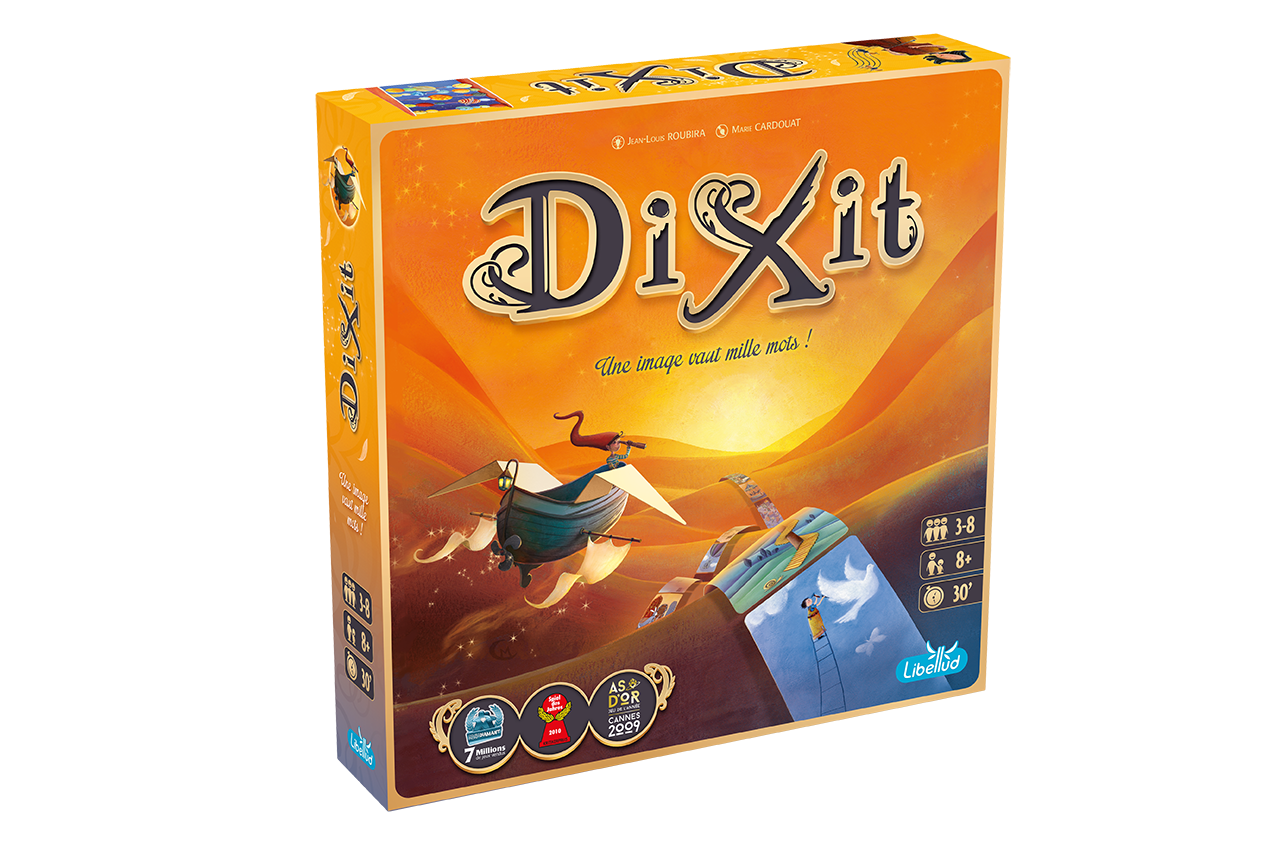
Dixit cover

Dixit

3.5

2008 · 3-8 Players · 30 min · Competitive / Party

Dixit turns abstract art into a guessing game powered by imagination, and the result is one of the most accessible and inviting party games of the past two decades. It rewards creativity over strategy and social familiarity over raw skill, which makes it sing with the right group and fall flat with the wrong one. Card repetition and limited depth keep it from being a game you reach for every week, but when the table clicks, nothing else in the party game space quite matches the feeling. For families and friend groups looking for something warm, creative, and refreshingly different, Dixit earns its Spiel des Jahres.

Forbidden Desert

3.5

2013 · 2-5 Players · 45 min · Cooperative Strategy

Forbidden Desert is a sharp cooperative game that punches above its price tag and teaches in minutes. The shifting sandstorm creates real tension, the variable roles keep every session feeling different, and the challenge level stays honest without becoming cruel. Experienced hobbyists will eventually outgrow it, and the quarterbacking problem never fully goes away. But as a gateway into cooperative gaming or a reliable family night staple, few games at this price point deliver as much.

King of Tokyo

3.5

2011 · 2-6 Players · ~30 min · Competitive / Dice Rolling

King of Tokyo is a fast, loud, dice-chucking brawl that works best when nobody at the table is looking for depth. Richard Garfield built a game that teaches in minutes, plays in thirty, and generates the kind of table moments that stick with families and casual groups for years. Luck runs the show more than most players would like, and the absence of unique monster abilities leaves the base game thinner than it could be. For groups who want a lightweight opener or a rowdy filler between heavier games, it delivers exactly what the box promises.

Mysterium

3.5

2015 · 2-7 Players · 42 min · Cooperative / Deduction

Mysterium is a cooperative guessing game wrapped in gorgeous, haunting artwork that creates genuinely memorable moments when the table clicks. Its core concept of silent communication through surrealist vision cards remains clever and distinctive, even a decade after release. Structural rough edges in the finale and limited card variety hold it back from greatness, but at its best with four or five players, few games generate the same mix of laughter, confusion, and triumph. It belongs in collections that value social experience over strategic depth.

The Mind

3.3

2018 · 2-4 Players · ~20 min · Cooperative

The Mind is one of the strangest card games ever designed, and that strangeness is exactly what makes it memorable. Its no-communication rule creates moments of real tension and collective triumph that more complex games struggle to produce. Limited replayability and the ongoing debate about whether it qualifies as a game at all keep it from broader appeal. But as a short, sharp social experience that can turn a quiet table into a room full of cheering, it punches well above its modest card count.