Top Rated Board Games

Our highest rated board games, ranked by BuzzVerdict score.

Hanamikoji

4.5

2013 · 2 Players · ~15 min · Competitive

Hanamikoji compresses an extraordinary amount of strategic tension into a game that takes fifteen minutes and uses only twenty-one cards. Every action forces a painful decision, and the I-cut-you-choose structure means you're constantly giving your opponent something good while hoping to keep something better. The luck of the draw occasionally decides close games, but the play time is so short that this feels like a feature rather than a flaw. This is one of the best two-player games ever designed, and it earns that reputation in about the time it takes to explain the rules.

Modern Art

4.5

1992 · 3-5 Players · ~45 min · Competitive

Modern Art is the auction game stripped down to its purest, most engaging form. Reiner Knizia designed a system where the only thing determining value is what players collectively decide something is worth, and that single insight drives forty-five minutes of bluffing, calculation, and occasionally devastating miscalculation. The CMON edition gives the game the visual treatment it always deserved, with oversized cards featuring real contemporary artists. New players may stumble through a first game before the pricing logic clicks, but by the second play, the depth reveals itself. Three decades after its original release, Modern Art remains the benchmark for auction games because nothing else captures the thrill and peril of spending money you can't afford on things that might be worthless.

Undaunted: Stalingrad

4.5

2022 · 2 Players · ~45-75 min · Competitive / Campaign

Undaunted: Stalingrad is a landmark achievement in two-player board gaming, marrying an elegant deck-building system with a legacy campaign that creates genuine emotional stakes around cardboard soldiers. The branching scenarios and permanent consequences make every session matter, and the core mechanics remain engaging from the first mission to the last. The time commitment is substantial and the two-player-only restriction limits its audience, but for a dedicated pair willing to invest in the full campaign, this is one of the most rewarding experiences the hobby has to offer.

Brass: Lancashire

4.5

2007 · 2-4 Players · ~120-180 min · Competitive

Brass: Lancashire is Martin Wallace's masterpiece of interlocking economic systems, where building cotton mills and iron works matters less than understanding when to build them and how to make your opponents' infrastructure work for you. The teach is steep and the first game will be rough, but the strategic depth that emerges from its loan system, shared network, and dual-era structure has kept players obsessed for nearly two decades. If heavy economic games are your thing, this belongs on your shelf.

Pax Pamir (2nd Edition)

4.5

2019 · 1-5 Players · ~45-120 min · Competitive / Political

Pax Pamir (2nd Edition) is one of the finest strategy games produced in the last decade. It compresses the drama of shifting alliances, political betrayal, and imperial ambition into a package that plays in under two hours. The learning curve is real, the scoring system demands patience, and lower player counts lose some of the political magic. But at its best, this is a game where a single card play can redraw the entire power structure of the table, and every player feels the consequences. Few games create stories this memorable from mechanics this clean.

A Feast for Odin

4.5

2016 · 1-4 Players · ~30-120 min · Worker Placement / Tile Placement

A Feast for Odin is Uwe Rosenberg's most ambitious design, a sprawling sandbox that combines worker placement with polyomino puzzles and resource management into something that feels both enormous and cohesive. The sheer number of options available each turn could easily overwhelm, but the underlying systems are logical enough that experienced players find freedom where newcomers see chaos. It demands table space, time commitment, and willingness to learn through trial and error, and the low player interaction makes it a poor fit for groups that want confrontation with their strategy. For those who want a game that offers genuine freedom to explore different paths across dozens of plays, this is one of the richest experiences in modern board gaming.

Twilight Struggle

4.5

2005 · 2 Players · ~120-180 min · Competitive

Twilight Struggle is one of the most accomplished two-player strategy games ever designed, translating the paranoia, brinkmanship, and impossible choices of the Cold War into a card-driven contest that rewards deep knowledge and careful planning. Its central innovation of forcing players to sometimes trigger their opponent's events transforms what could have been a standard area-control game into something far more dramatic and psychologically intense. The steep learning curve, lengthy playtime, and knowledge gap between experienced and new players limit its audience. But for two people willing to invest the time, this delivers a competitive experience that very few games can match.

War of the Ring (2nd Edition)

4.5

2012 · 2-4 Players · ~150-180 min · Asymmetric Strategy / Wargame

War of the Ring is the definitive Lord of the Rings board game and one of the finest two-player strategy experiences ever designed. Its asymmetric systems capture the tension between military might and desperate hope with remarkable fidelity, and no two games unfold the same way. The time investment is real, the rules are dense, and the table space required is no joke. But for two players willing to commit an afternoon to Middle-earth, this is a game that delivers on its epic promise every single time.

Ark Nova

4.5

2021 · 1-4 Players · 90-150 min · Competitive / Engine-Building Strategy

Ark Nova earned its place near the top of the hobby by doing something rare: making a heavy strategy game that people actually want to play again immediately. The action card system creates a decision space that stays fresh across dozens of sessions, and the theme gives all that mechanical weight a purpose that resonates. Long play times and a steep first game are real costs of entry. For players willing to pay them, few games in recent memory deliver this much.

Brass: Birmingham

4.5

2018 · 2-4 Players · 60-120 min · Competitive / Economic Strategy

The best economic strategy game on the market, full stop. Brass: Birmingham rewards commitment with a depth of play that few games can match. Every decision connects to every other decision in ways that take multiple sessions to fully appreciate. It demands patience and repeat plays, and it isn't for everyone. But for groups willing to invest the time, nothing else in the hobby hits quite like this.

Gloomhaven: Jaws of the Lion

4.5

2020 · 1-4 Players · 30-120 min · Cooperative / Campaign Dungeon Crawl

Gloomhaven: Jaws of the Lion is the rare sequel that makes its predecessor more accessible without gutting what made it special. The card-driven combat still delivers that agonizing thrill of pairing abilities under pressure, and the five-scenario tutorial is one of the best onboarding systems in modern board gaming. Limited replayability and only four character classes keep it from the long-tail staying power of the original. But as a 25-scenario campaign that costs a fraction of the price and sets up in minutes instead of an eternity, it earns its place as the best entry point into the Gloomhaven system and a deeply satisfying experience on its own terms.

Leviathan Wilds

4.5

2024 · 1-4 Players · ~60 min · Cooperative / Boss-Battling Adventure

Leviathan Wilds delivers one of the best cooperative experiences in recent memory by doing something deceptively simple: making movement the entire game. Climbing massive creatures, managing your grip, and choosing how to spend every card in your hand creates a decision space that stays fresh across dozens of sessions. Minor issues with solo mode rules and occasional visual clutter on the maps don't come close to undermining what works here. For co-op fans looking for a game that plays in an hour but thinks like something twice its size, this belongs at the top of the list.

Pandemic Legacy: Season 1

4.5

2015 · 2-4 Players · 60 min · Cooperative / Legacy Campaign

Pandemic Legacy: Season 1 remains one of the most powerful experiences in tabletop gaming. It takes the familiar cooperative puzzle of curing diseases and layers on a persistent campaign where your choices scar the board, alter the rules, and shape a story that unfolds differently at every table. The one-time-play nature will bother some buyers, and the alpha gamer problem hasn't gone anywhere. But for a committed group of friends willing to play through 12 months of escalating stakes, nothing else in the hobby delivers emotional moments quite like this.

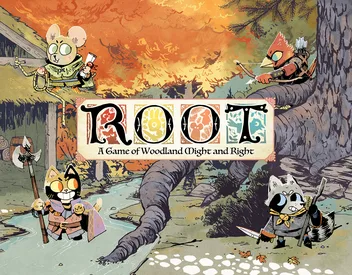
Root cover

Root

4.5

2018 · 2-4 Players · 60-90 min · Asymmetric Strategy / Area Control

Root is one of the most ambitious asymmetric designs in modern board gaming, and it delivers on that ambition with startling confidence. Every faction feels like its own game, yet they all interlock into a competitive ecosystem that rewards table talk, strategic reading, and repeat play. It demands a committed group willing to push through awkward early sessions, and it stumbles at two players without expansion support. But for a regular table of three or four who want a game that keeps evolving over dozens of sessions, Root is an extraordinary achievement that has earned every award on its shelf.

Spirit Island

4.5

2017 · 1-4 Players · 90-120 min · Cooperative Strategy

Spirit Island is one of the best cooperative board games ever designed. It solves the quarterbacking problem, delivers enormous replayability through wildly asymmetric spirits, and wraps it all in a theme that feels inseparable from its mechanics. The price of entry is a steep learning curve that will bounce casual players hard. But for anyone willing to climb that hill, what waits on the other side is a deeply rewarding strategic puzzle that keeps revealing new layers dozens of plays in.

The Crew: Mission Deep Sea

4.5

2021 · 2-5 Players · 20 min · Cooperative / Trick-Taking

The Crew: Mission Deep Sea takes the cooperative trick-taking concept that made the original a hit and expands it into something richer, more varied, and better suited to different group sizes. It asks players to solve puzzles together without being allowed to talk about them, and that constraint produces some of the most satisfying moments in any card game at this price point. A weak two-player variant and occasional impossible draws hold it back from perfection. But for groups of three to five who want a cooperative game that plays fast, teaches easy, and keeps pulling you back to the table, this is about as good as it gets.

Through the Ages: A New Story of Civilization

4.5

2015 · 2-4 Players · 120-240 min · Civilization Building / Card Drafting

Through the Ages is one of the most respected strategy games in the hobby for good reason. It distills the sweep of civilization into a card drafting system that rewards long-term planning, careful resource management, and the willingness to adapt when the card row doesn't cooperate. The physical version demands patience with its components and a serious time commitment, but the depth on offer is extraordinary. For players who want a heavy strategy game they can explore for years, this belongs near the top of any list.

Twilight Imperium (Fourth Edition)

4.5

2017 · 3-6 Players · 240-480 min · Strategy / Negotiation

Twilight Imperium (Fourth Edition) is the board game equivalent of a full-season television epic compressed into a single day. It demands more from its players than almost anything else on the market, and it rewards that commitment with stories you will be retelling for years. The negotiation is electric, the factions are wildly asymmetric, and the objective system keeps every player engaged right up to the final round. It is not for everyone, and it never pretends to be. But for the group willing to clear a Saturday and commit fully, nothing else in the hobby comes close.

Blood on the Clocktower

4.4

2022 · 5-20 Players · 30-120 min · Social Deduction / Party

Blood on the Clocktower is the most sophisticated social deduction game available, solving the genre's deepest problems while creating new possibilities for drama, deduction, and memorable moments. The price of entry is high in both money and preparation, and the experience depends heavily on who runs it. For groups willing to invest in a dedicated Storyteller and gather enough players, nothing else in the genre comes close to what happens around this table.

Clank! Legacy: Acquisitions Incorporated

4.4

2019 · 2-4 Players · ~90-120 min · Competitive / Campaign / Legacy

Clank! Legacy: Acquisitions Incorporated is one of the best legacy board game experiences available, combining the satisfying deck-building and push-your-luck tension of Clank! with a narrative campaign that genuinely surprises at every turn. The story carries real momentum across its 10+ game arc, and the permanent changes to the board and rules create a version of the game that feels uniquely yours by the end. Competitive mechanics occasionally clash with the cooperative storytelling, and the physical footprint is demanding. But for groups that can commit to a full campaign, this delivers some of the most memorable moments the hobby has to offer.

Great Western Trail (2nd Edition)

4.4

2021 · 1-4 Players · ~75-150 min · Competitive

Great Western Trail (2nd Edition) remains one of the best heavy euro games available, with a core design that expertly weaves deck building, route management, and worker specialization into a deeply interconnected system where every decision ripples outward. The second edition adds a solo mode, improved components, and a few new strategic options without disrupting what made the original a modern classic. It's a time commitment at two to three hours per session, and the learning curve is steep enough to filter out anyone not ready for this weight class. But for players who want a game where mastery feels genuinely earned, few designs reward repeated play this consistently.

Dune: Imperium - Uprising

4.4

2024 · 1-6 Players · ~60-120 min · Competitive

Dune: Imperium - Uprising takes an already excellent design and sharpens it with smarter combat, more flexible board access through spies, and sandworm events that keep every round unpredictable. The blend of deck building and worker placement remains one of the most satisfying combinations in modern board gaming, and the expanded player count opens the game to team play. New complexity can overwhelm players unfamiliar with the original system, and six-player games run long enough to test patience. For groups looking for a strategic game that balances planning with adaptability, Uprising is the definitive version of Dune: Imperium.

Sky Team

4.4

2023 · 2 Players · ~15-20 min · Cooperative

Sky Team is a two-player cooperative dice game about landing a plane together, and it's one of the most tense 15-minute experiences in board gaming. One player is the pilot, the other the co-pilot, and you simultaneously place dice into different systems without discussing your choices. The communication restriction creates a pressure cooker of silent coordination where reading your partner's intentions becomes the core skill. The Spiel des Jahres 2024 win was well earned. Individual scenarios can feel luck-dependent when the dice don't cooperate, and the base scenarios are solved quickly by experienced pairs. But the scenario variety is substantial, and the feeling of nailing a perfect landing together is hard to match.

Crokinole

4.4

1876 · 2-4 Players · ~30 min · Competitive

Crokinole is the rare game that's been around for nearly 150 years because nothing has improved on the formula. Flicking wooden discs into a shallow dish while trying to knock your opponent's pieces off the board is immediately understandable and endlessly replayable. The skill ceiling is remarkably high for something so simple, and the moment-to-moment tension of each flick creates excitement that complex strategy games often can't match. The board itself is the only real barrier to entry, since quality matters and quality costs money, but if you can get one, Crokinole earns its place as one of the finest two-player competitive experiences ever designed.

Scout

4.4

2019 · 2-5 Players · ~15-20 min · Competitive

Scout is a pocket-sized ladder climbing game that packs a surprising amount of tension into its 15 minutes. The dual-value cards and the rule that you can't rearrange your hand create real decisions from the very first turn. It shines brightest at three or four players, and it's one of those rare fillers that experienced gamers and newcomers can enjoy equally. If you don't already own a copy, you probably should.

The Castles of Burgundy

4.4

2011 · 2-4 Players · 70-120 min · Competitive / Strategy

One of the best Eurogames ever designed, hiding behind one of the least attractive presentations in the hobby. The Castles of Burgundy turns two dice into a deeply satisfying puzzle where every turn matters and every choice ripples forward. Ugly components and a dice-driven structure will put some players off, and that's understandable. But for anyone who cares more about how a game plays than how it looks, this belongs in the conversation for the best medium-weight strategy game on the market.

Too Many Bones

4.3

2017 · 1-4 Players · 60-120 min · Cooperative

Too Many Bones is a premium dice-builder RPG that delivers some of the most satisfying character progression in tabletop gaming. Each Gearloc plays radically differently, the component quality justifies the price tag, and the replayability runs deep enough to sustain hundreds of hours. A steep learning curve and divisive art style will push some players away before the game has a chance to win them over. But for anyone willing to invest the time and money, this is one of the most rewarding cooperative experiences on the market.

Fields of Arle

4.3

2014 · 1-2 Players · 90-120 min · Competitive / Worker Placement

Fields of Arle is Uwe Rosenberg's most generous design, a sprawling sandbox of farming, crafting, and trading that gives two players or a solo gamer the freedom to build almost anything without punishment for experimentation. That same generosity costs it the knife-edge tension of Agricola or Caverna, but what replaces that tension is something rarer: a game that rewards curiosity over optimization and feels different every single time you sit down.

Arcs

4.3

2024 · 2-4 Players · ~90-120 min · Competitive

Arcs fuses trick-taking card play with space opera area control in a design that feels like nothing else in tabletop gaming. Cole Wehrle's latest for Leder Games uses the trick-taking structure to drive fleet movement, resource gathering, and combat, creating a game where card play IS the strategy rather than supporting it. The base game is a tight competitive experience, and the campaign expansion transforms it into an evolving narrative. The learning curve is steep, the trick-taking can feel opaque to new players, and it demands exactly the right group to shine.

Battle Line

4.3

2000 · 2 Players · ~30 min · Competitive

Battle Line distills two-player card game competition down to its purest form, asking you to win five of nine flags by playing the strongest three-card formations. Knizia's genius is in how the simple poker-like combinations create agonizing decisions about commitment and timing. The optional tactics cards add variety but the base game alone provides enough tension and replayability to keep it on the table for years.

The Lord of the Rings: Duel for Middle-earth

4.3

2024 · 2 Players · ~30-45 min · Competitive

The Lord of the Rings: Duel for Middle-earth takes one of the best two-player card games ever designed and makes it better. Every rule change from 7 Wonders: Duel lands as an improvement, the Middle-earth theme adds genuine tension to the military and quest systems, and the three alternate victory conditions create a constant push-pull that makes every card pick feel loaded. A few mechanical elements like the economy feel simplified compared to their predecessor, and the Lord of the Rings license does more heavy lifting than the game strictly needs. But as a standalone two-player strategy game in a small box, this is about as good as it gets.

Concordia Venus

4.3

2018 · 2-6 Players · ~60-120 min · Competitive

Concordia Venus carries forward everything that made the original Concordia a modern classic and adds a team mode that opens the game to larger groups. The card-driven action system remains one of the most elegant designs in euro gaming, the hidden scoring keeps tension alive until the final count, and the low rules overhead belies impressive strategic depth. The team variant adds clunk without enough payoff for most groups, and extended play can reveal a sameness in game flow. For anyone who wants a medium-weight euro that rewards strategic planning without drowning in rules, Concordia Venus is one of the best in the genre.

Tigris & Euphrates

4.3

1997 · 2-4 Players · ~60-90 min · Competitive

Tigris & Euphrates is Reiner Knizia's crowning design achievement, a game where civilizations rise and collapse through tile placement and two distinct conflict types that create some of the most dramatic swings in all of board gaming. The scoring system, which counts only your weakest color, forces balanced play in a way that's simple to explain and endlessly difficult to master. The teach takes patience and the board state can shift violently, but for players who want a strategy game where every tile placement carries genuine weight, this remains one of the greatest designs in the hobby's history.

Splendor Duel

4.3

2022 · 2 Players · ~30 min · Competitive

Splendor Duel takes the gem-collecting engine of the original Splendor and rebuilds it from the ground up as a two-player duel with real teeth. The shared token board adds a spatial drafting layer the original never had, three different victory conditions force constant tactical adjustment, and the privilege mechanic creates swings that keep both players on edge. It's tighter, meaner, and more interactive than its predecessor in every way. The added complexity won't suit everyone who loved the original's simplicity, and the privilege token can feel swingy. But as a two-player competitive game, this is one of the best in its class.

The Gallerist

4.3

2015 · 1-4 Players · ~60-150 min · Competitive / Economic

The Gallerist is Vital Lacerda at his most thematically inspired. Every mechanism connects to the fantasy of running an art gallery, from discovering unknown artists to promoting their work to selling pieces at peak value. The learning curve is steep, the teach is long, and your first game will be spent figuring out what you should have done differently. But the interlocking systems reward repeated plays with increasing clarity, and the satisfaction of executing a well-planned strategy through this clockwork of interconnected actions is hard to find elsewhere. For heavy euro fans willing to invest the time, this is one of the best.

Food Chain Magnate

4.3

2015 · 2-5 Players · ~120-240 min · Competitive / Economic

Food Chain Magnate is a masterclass in strategic depth. It strips away luck entirely and dares players to compete on pure decision-making, creating a game where every choice ripples forward and every mistake compounds. The runaway leader problem and the punishing learning curve will drive some groups away, and games where one player falls behind early can drag. But for the audience it's built for, the players who want a game that rewards deep thinking and refuses to hold their hand, nothing else in the hobby scratches this itch quite the same way.

Lisboa

4.3

2017 · 1-4 Players · 90-120 min · Competitive / Economic Strategy

Lisboa is one of the most rewarding heavy strategy games available, offering a deeply interconnected system where every decision ripples across the board. The learning curve is steep and the iconography can overwhelm on first contact, but players who push through will find a game that rewards repeated plays with layers of strategic depth. It asks a lot of its players and gives back even more. For heavy euro fans, this is essential.

Frosthaven

4.3

2023 · 1-4 Players · ~90-180 min · Cooperative / Campaign

Frosthaven takes everything its predecessor built and refines it with better scenarios, richer storytelling, and a staggering 17 character classes that keep the combat system feeling fresh across hundreds of hours. The administrative overhead is real, the outpost phase needs tighter execution, and the puzzle book remains a head-scratcher of a design choice. None of that changes the core reality: for groups willing and able to commit, this is one of the deepest and most rewarding cooperative experiences in board gaming. Just make sure your group is actually that group before you spend the money.

Aeon's End

4.3

2016 · 1-4 Players · ~45-60 min · Cooperative Deck Building

Aeon's End takes the deck-building genre and rebuilds it around a single, brilliant idea: you never shuffle your deck. That one change transforms a familiar framework into something tighter, more strategic, and more punishing than its competitors. The cooperative boss battles create genuine tension, the variable mage powers keep the game fresh across dozens of sessions, and the no-shuffle mechanism rewards careful planning in a way that shuffled decks simply cannot. It demands precision and punishes mistakes, which won't appeal to everyone, but for players who want a cooperative deck builder that treats every card placement as a meaningful decision, this is the standard.

Barrage

4.3

2019 · 1-4 Players · ~120 min · Worker Placement / Network Building

Barrage is one of the most interactive and cutthroat Euro games released in the last decade, a design that takes the worker placement genre and injects it with the territorial aggression of an area control game. The construction wheel, shared water system, and asymmetric company powers combine to create something that feels truly original in a crowded design space. It punishes passivity and rewards players who read the board and react to opponents as much as they plan their own builds. The learning curve is steep and the tone is merciless, but for groups that want their strategy games to have teeth, Barrage delivers a competitive experience that few other Euros can match.

Eclipse: Second Dawn for the Galaxy

4.3

2020 · 2-6 Players · ~60-200 min · Competitive Space Exploration

Eclipse: Second Dawn for the Galaxy is the premier space 4X board game, blending European-style economic decision-making with the thrill of galactic conquest. It demands a table of four or more players and a willingness to commit an entire evening, but the payoff is a strategic experience that few games can match. The ship customization system alone would carry a lesser design, and here it's just one layer of a deeply satisfying whole. If your group has the time and the appetite for a big, ambitious space game, this is the one to own.

Mage Knight

4.3

2011 · 1-4 Players · ~120-240 min · Solo / Competitive Adventure

Mage Knight is a towering achievement in solo board game design, a dense fusion of deck building, exploration, and tactical combat that rewards patience and careful planning like few other games on the market. It asks an enormous amount from its players: hours of time, careful study of its rules, and a tolerance for complexity that borders on academic. In return, it offers a strategic depth that reveals new layers after dozens of plays and a sense of accomplishment when everything clicks that is hard to find anywhere else. This is not a game for everyone, but for the audience it serves, nothing else comes close.

Nemesis

4.3

2018 · 1-5 Players · ~90-180 min · Semi-Cooperative Survival Horror

Nemesis is one of the most thematic board game experiences you can put on a table. It generates stories of paranoia, desperate escapes, and sudden betrayal that groups will retell for months. The randomness will frustrate players who want control over their fate, and the rules overhead demands patience from everyone at the table. But for groups that want a game where tension lives in every corridor and trust is always conditional, Nemesis delivers an experience that nothing else in the hobby can match.

Star Wars: Rebellion

4.3

2016 · 2-4 Players · ~180-240 min · Asymmetric Strategy / Wargame

Star Wars: Rebellion is the most faithful board game adaptation of the original Star Wars trilogy, and it earns that distinction through systems that make the cat-and-mouse hunt for the Rebel base feel every bit as tense as it should. The mission system creates stories that rival the films for drama, and the asymmetric design gives both sides a completely different but equally compelling strategic challenge. Combat needs work, the time commitment is substantial, and it lives or dies on having the right opponent. But for two players who want to wage their own Galactic Civil War across an afternoon, Rebellion is the real deal.

The Resistance: Avalon

4.3

2012 · 5-10 Players · ~30 min · Competitive / Social Deduction / Hidden Roles

The Resistance: Avalon remains one of the definitive social deduction games for a reason. The Merlin role elevates the formula from simple bluffing into a layered game of information management that rewards both careful reasoning and bold performance. It needs the right player count and the right group to shine, and quieter players can get lost in the chaos. But when the table is full and everyone is invested, the arguments, accusations, and betrayals it generates are as good as anything in the genre.

7 Wonders Duel cover

7 Wonders Duel

4.3

2015 · 2 Players · 30 min · Competitive / Card Drafting

7 Wonders Duel is one of the strongest two-player games ever designed, distilling civilization building into a tight 30-minute contest with real tension and multiple paths to victory. The card pyramid creates an elegant decision space that rewards tactical reading and forward planning. Some rough edges around wonder balance and card randomness prevent it from reaching perfection. But for couples and gaming pairs looking for a competitive game with genuine depth in a small box, this remains the benchmark.

Bomb Busters

4.3

2024 · 2-5 Players · 20-40 min · Cooperative / Deduction

Bomb Busters takes a dead-simple concept and builds it into something that keeps pulling you back to the table. Sixty-six missions with escalating rules and unlockable content give it a lifespan that dwarfs most games at this weight. Component quality and setup time keep it from perfection, but the core deduction puzzle is so satisfying that those issues barely register once play begins. For groups looking for a cooperative game that rewards logic without demanding hours of commitment, this is one of the best options available right now.

Concordia

4.3

2013 · 2-5 Players · 100 min · Competitive / Strategy

One of the most elegantly designed strategy games in the hobby, and a permanent fixture in the top tier of community rankings for good reason. Concordia hides remarkable depth behind accessible rules, rewarding careful planning with a satisfaction that few games at this complexity level can match. Opaque scoring and bland presentation hold it back from perfection, but the core design remains a benchmark more than a decade after release.

Great Western Trail

4.3

2016 · 1-4 Players · 75-150 min · Competitive / Strategy

A heavy Euro that earns its place near the top of the hobby. Great Western Trail combines deck building, worker hiring, and route optimization into a system where every piece serves the whole. It demands multiple plays to reveal its depth, and the theme won't win anyone over on its own. But for groups who want a strategic puzzle with real teeth and a different challenge every session, few games deliver this consistently.

Terraforming Mars

4.3

2016 · 1-5 Players · ~120 min · Competitive / Engine Building

Terraforming Mars has held its place near the top of the hobby for a decade because its core loop is that good. Build an engine from a massive deck of unique project cards, watch it accelerate, and race your opponents to reshape a planet. Cheap components and long play times are real drawbacks, not minor ones. But the feeling of watching your corporation go from scraping together resources to generating them in waves is something few games replicate this well. If your group has two hours and an appetite for satisfying card combos, this one earns its reputation.

Radlands

4.2

2021 · 2 Players · 20-40 min · Competitive / Card Battler

Radlands is one of the best head-to-head card games available, delivering a strategic depth that far exceeds its simple rules and short playtime. The water economy, camp abilities, and shared deck create a system where every decision carries weight. Card luck can swing individual matches, and players need to be evenly matched for the game to shine. But for pairs who want a fast, tense, deeply replayable dueling game with stunning art and tight design, Radlands sits near the top of the genre.

Schotten Totten

4.2

1999 · 2 Players · ~20 min · Competitive

Schotten Totten is one of the best two-player card games ever designed, packing a remarkable amount of tactical depth into a 20-minute package with a tiny footprint. The poker-style formations create constant tension between committing to strong positions and keeping your options open, and the proof claim mechanic rewards players who pay attention to what's been played. Card draw can occasionally decide close games, and the tactics cards variant adds chaos that not every player will enjoy. But the base game is a near-perfect distillation of competitive card play for two.

Deception: Murder in Hong Kong

4.2

2014 · 4-12 Players · ~20 min · Hidden Role / Team-Based

Deception: Murder in Hong Kong is one of the strongest social deduction games available, building its tension around evidence interpretation rather than bluffing and creating a murder mystery that plays out differently every time. The forensic scientist mechanic is brilliant, turning communication constraints into the game's greatest source of drama and debate. Group dependency and the occasional learning curve for first-time forensic scientists are minor drawbacks in a game this consistently entertaining. If your group enjoys animated discussion and collaborative puzzle-solving with a traitor lurking among you, this belongs on your shelf.

Age of Innovation

4.2

2023 · 1-5 Players · ~120-200 min · Competitive

Age of Innovation is the spiritual successor to Terra Mystica and Gaia Project, refining the faction-based territory development formula with modular faction creation and an innovation track that replaces the research system. The core loop of building, expanding, and competing for territory remains deeply satisfying, and the modular factions provide replay variety that the fixed factions of its predecessors couldn't match. The complexity and length will intimidate newcomers to the system, and veterans may find the changes evolutionary rather than revolutionary.

Anachrony

4.2

2017 · 1-4 Players · ~60-120 min · Competitive

Anachrony integrates time travel into a heavy euro framework in a way that's mechanically meaningful rather than gimmicky, letting you borrow resources from your future self and creating debt obligations that must be repaid before the timeline collapses. The exosuit-powered worker placement and the impending asteroid impact create a game with both strategic depth and thematic urgency. The time travel mechanism is brilliantly conceived, the faction asymmetry is well-balanced, and the production quality in the deluxe edition is outstanding. The rules overhead is significant, and the time travel paradox system adds complexity that not every group will appreciate.

Dominant Species

4.2

2010 · 2-6 Players · ~180-240 min · Competitive

Dominant Species is one of the most ruthless and rewarding heavy strategy games ever designed, combining accessible worker placement mechanics with cutthroat area control on an ever-expanding prehistoric Earth. The ice age is always closing in, species are always competing, and every action you take ripples across the board in ways that force constant adaptation. Games run three to four hours and can be brutal for players who fall behind early, but for groups who want a strategic experience with real teeth, few games in the hobby deliver this level of depth, interaction, and tension.

Orléans

4.2

2014 · 2-4 Players · ~90 min · Competitive

Orléans pioneered the bag-building mechanism and remains its finest expression, turning the randomized draw of worker discs into an engine-building puzzle that feels different from anything else in the euro genre. The satisfaction of curating your bag to deliver exactly the workers you need is hard to replicate, and the multiple paths to victory keep the strategic space wide open across dozens of plays. Theme is thin, and rounds can drag at higher player counts when someone takes too long optimizing their placement. But the core loop is so well-designed that these complaints barely register against the overall experience.

The Crew: The Quest for Planet Nine

4.2

2019 · 2-5 Players · ~20 min · Cooperative

The Crew takes the oldest card game format in the book and reinvents it through cooperation and restricted communication, creating something that feels truly new. Fifty missions of escalating difficulty provide a satisfying campaign arc, the radio token system generates real tension, and the whole thing fits in your pocket. Player count flexibility below three is limited, and the difficulty can spike in ways that frustrate less experienced groups. For anyone who enjoys card games and wants to experience what a Kennerspiel des Jahres winner looks like at its most elegant, The Crew is essential.

Hansa Teutonica

4.2

2009 · 2-5 Players · 45-90 min · Competitive

Hansa Teutonica is a masterclass in interactive euro design. Every route you claim, every action you upgrade, and every merchant you place affects every other player at the table, creating a web of passive-aggressive competition that stays engaging from first placement to final scoring. The multiple viable paths to victory mean that no single dominant strategy has emerged even after years of play, and the game rewards reading your opponents as much as it rewards planning your own moves. The dry presentation will turn away players who need visual appeal, and the teach can be rocky for newcomers. But for groups that value deep player interaction in a medium-weight package, Hansa Teutonica remains one of the finest euros ever designed.

Ra

4.2

1999 · 2-5 Players · 45-60 min · Competitive

Ra distills auction gaming to its purest and most exciting form. Reiner Knizia's design strips away complexity to leave only the decisions that matter: when to bid, how much to risk, and what to collect. The sun disc system creates a naturally escalating tension across each epoch, and the set collection scoring rewards both planning and opportunism. At two players it loses some of its competitive electricity, and players who dislike the feeling of being forced into auctions by the Ra track may find the push-your-luck element frustrating. But at three to five players, Ra delivers one of the tightest and most replayable auction experiences in board gaming, and its endurance since 1999 is entirely earned.

Monikers

4.2

2015 · 4-16 Players · ~30-60 min · Party / Team

Monikers takes the ancient bones of charades and celebrity and turns them into something consistently hilarious through one elegant trick: the same cards carry through all three rounds, building a shared comedy vocabulary that makes the final silent round genuinely brilliant. It needs at least six people to work, it can run long with bigger groups, and some cards lean hard into adult humor that won't land for everyone. But when it clicks, and it usually does, few party games generate this many genuine laughs per minute.

Targi

4.2

2012 · 2 Players · ~60 min · Competitive

Targi is one of the best two-player worker placement games ever made, and the intersection mechanic is the reason why. Placing workers on the border of a 5x5 grid and claiming the inner cards where your rows and columns cross creates a spatial puzzle that's unlike anything else in the genre. Blocking your opponent is inherent to every placement, not an afterthought, and the rotating robber adds time pressure that prevents both players from settling into comfortable patterns. It's a medium-weight strategy game that fills an hour with meaningful decisions and genuine tension. The theme is thin, and the card variety can feel limited after many plays. But mechanically, it's as tight as two-player games get.

El Grande

4.2

1995 · 2-5 Players · ~60-120 min · Competitive

El Grande is the game that defined area control for modern board gaming, and three decades later its power card system and Castillo mechanic still create moments of tension that newer designs struggle to match. The rules are clean enough to teach in 15 minutes, but the player interaction and bluffing run deep enough to reward years of play. It's best at four or five and it needs the right group to sing, but when it all comes together, El Grande delivers one of the purest competitive experiences in the hobby.

Terra Mystica

4.2

2012 · 2-5 Players · ~60-150 min · Competitive

Terra Mystica is a heavyweight euro where 14 asymmetric factions compete to terraform and build across a shared landscape, and the puzzle of managing four different resources while expanding your network is as compelling today as it was in 2012. Faction balance isn't perfect, the production looks dated, and the learning curve will eat your first game alive. But the depth of its interlocking systems and the tension of competing for territory on a tight map have earned it a permanent spot among the best strategy games ever made.

Clans of Caledonia

4.2

2017 · 1-4 Players · ~30-120 min · Competitive

Clans of Caledonia is an economic euro that earns its reputation through a dynamic market system and asymmetric clan powers that keep every game feeling distinct. The interlocking systems of production, trade, and expansion click together with a smoothness that belies the game's strategic depth. Component size and some unintuitive rules around neighbor bonuses create friction, and new players will struggle to grasp how end-game scoring shapes early decisions. But for groups that enjoy economic engines with teeth, where reading the market matters as much as building your production chain, Clans of Caledonia delivers a deeply satisfying experience that holds up across dozens of plays.

Faraway

4.2

2023 · 2-6 Players · ~15-30 min · Competitive

Faraway takes a familiar card-drafting framework and flips it upside down, literally building its entire identity around scoring in reverse. The first time you play, the mechanic is disorienting. By the third game, it's the whole reason you keep coming back. Fast, replayable, and cleverly designed, it's one of the best short games to come out of 2023 and a natural recommendation for anyone who wants something that feels fresh without a steep learning curve.

Ticket to Ride: Europe

4.2

2005 · 2-5 Players · 30-60 min · Competitive / Route Building / Set Collection

Ticket to Ride: Europe takes the formula that made the original a modern classic and improves it in almost every meaningful way. Tunnels, ferries, and stations add just enough decision-making to satisfy players who found the base game too simple, without pushing the complexity past what a family can handle on a weeknight. A loose two-player mode and a ceiling on long-term depth keep it from the highest tier, but for its intended audience this is about as good as gateway board gaming gets. If you're only going to own one version of Ticket to Ride, this is the one to buy.

Carnegie

4.2

2022 · 1-4 Players · 90-120 min · Competitive / Economic Strategy

Carnegie delivers one of the tightest, most satisfying euro experiences of its era. The action selection system creates constant player interaction, the puzzle of lining up employees with departments is deeply engaging, and Ian O'Toole's art gives it tremendous table presence. It deserves a bigger audience than it has found so far. For groups that enjoy medium-heavy economic games with meaningful player interaction, Carnegie is one of the best options available.

Sleeping Gods

4.2

2021 · 1-4 Players · 60-120 min · Cooperative / Campaign

Sleeping Gods is the closest any board game has come to delivering a true open-world experience. Its atlas-based exploration gives players genuine freedom to chart their own course, and the branching narrative rewards curiosity with stories that feel handcrafted rather than procedural. Combat can wear thin over long sessions, and the icon density creates a steep initial learning curve, but for players who prioritize narrative and discovery over mechanical crunch, this is one of the most memorable campaign experiences available. Ryan Laukat created something special here.

Dominion

4.2

2008 · 2-4 Players · ~30 min · Competitive

Dominion invented an entire genre and remains one of its best examples more than fifteen years later. The base game is a lean, replayable engine that teaches in minutes and rewards hundreds of plays, though its low interaction will bore players who want to mess with their opponents. Expansions transform it from a good game into a platform that can be whatever you need it to be. If you have any interest in card games or engine building, this belongs on your shelf.

Jaipur

4.2

2009 · 2 Players · ~30 min · Competitive Trading

Jaipur is one of the best dedicated two-player games in the hobby, packing a surprising amount of tension and decision-making into a 30-minute card game about trading goods in a bustling market. The push and pull between selling early for top value and holding out for set bonuses creates a compelling rhythm that stays fresh across dozens of sessions. Its strict two-player limit narrows the audience, and experienced players will consistently dominate newcomers. For couples and duos looking for something fast, portable, and endlessly replayable, though, this one earns its reputation.

Kemet

4.2

2012 · 2-5 Players · ~90 min · Aggressive Area Control

Kemet is area control at its most aggressive and rewarding, a game that tells you to stop turtling and start fighting from the very first round. The power tile system gives every game a different strategic texture, and the teleportation mechanics keep the action flowing without tedious movement phases. It stumbles with its iconography for new players and occasionally devolves into pile-on-the-leader dynamics, but these are growing pains that fade with experience. For groups that want a combat-heavy strategy game that stays tight and competitive from start to finish, Kemet is one of the best in the genre.

Le Havre

4.2

2008 · 1-5 Players · ~30-150 min · Worker Placement / Resource Management

Le Havre is one of the great economic strategy games, a design where every turn presents a deceptively simple choice that ripples forward through the rest of the session. Collecting resources and using buildings sounds mundane until the third or fourth play reveals just how deep the strategic possibilities run. It punishes early mistakes without mercy and demands patience from new players willing to learn its rhythms, but the reward is a game that feels tighter and more satisfying with every session. For fans of heavy economic games who want something that respects their time and their decisions, Le Havre remains one of Uwe Rosenberg's finest achievements.

Race for the Galaxy

4.2

2007 · 2-4 Players · ~30-60 min · Competitive

Race for the Galaxy is a brilliant card game buried under one of the steepest learning curves in the hobby. Players who push through the initial confusion with its iconography discover a fast, deep, and endlessly replayable engine-building experience that rewards pattern recognition and strategic flexibility. It's not for everyone, and it knows it. For the audience it's built for, very few card games have ever been better.

The Quest for El Dorado

4.2

2017 · 2-4 Players · ~30-60 min · Competitive / Deck Building / Racing

The Quest for El Dorado is one of the cleanest designs in modern board gaming, fusing deck building and racing into something that feels both familiar and completely fresh. Reiner Knizia stripped the deck-building genre down to its essentials and gave it a physical goal that makes every card purchase feel urgent and consequential. The card market lacks some variety at higher play counts, and experienced deck-building veterans will eventually map the strategic space. But as an accessible, replayable, and consistently exciting game for two to four players, this is a modern classic that earns its reputation.

Patchwork

4.2

2014 · 2 Players · 15-30 min · Competitive / Abstract Puzzle

Patchwork is a masterfully compact two-player game that wraps genuine strategic tension inside an approachable 20-minute package. Uwe Rosenberg's time track and button economy create a decision space far richer than the quilting theme suggests, rewarding repeated play with layers that newcomers simply cannot see on their first sitting. A steep skill gap and the occasional lopsided game hold it back from perfection. But for any pair of players looking for a portable, replayable head-to-head contest that takes minutes to teach and months to exhaust, this remains one of the best options in the hobby.

Scythe

4.2

2016 · 1-5 Players · 90-115 min · Strategy / Engine Building

Scythe delivers one of the most satisfying engine-building experiences in modern board gaming, wrapped in stunning alt-history artwork that practically sells itself off the shelf. Combat-hungry players will need to recalibrate their expectations, because this is a game about farming and upgrading far more than fighting. For groups of three or four who enjoy building toward something powerful and competing for territory without constant aggression, it remains a top-shelf recommendation almost a decade after release. It has earned its place as a modern classic, even if it is not quite the game its box art promises.

Clash of Cultures: Monumental Edition

4.1

2020 · 2-4 Players · ~120-240 min · Competitive

Clash of Cultures: Monumental Edition is one of the best civilization board games available, offering a sprawling tech tree, genuine exploration, and meaningful combat in a package that somehow stays more manageable than its competitors. The Monumental Edition's production values and included expansion elevate an already strong design. It demands a full evening and a group willing to commit, but for players who want that classic 4X feeling at the table, few games deliver it with this much polish and strategic depth.

Nemo's War

4.1

2017 · 1-4 Players · 60-120 min · Cooperative / Adventure

Nemo's War is one of the finest solo board games ever designed, wrapping strategic resource management in a literary adventure that makes every dice roll feel like a narrative choice rather than a random event. The fiddliness of its components and the heavy hand of luck will turn some players away. Those who stay will find a game that tells a different story every session, one shaped as much by their decisions as by fate.

Watergate

4.1

2019 · 2 Players · ~30-60 min · Competitive

Watergate distills the tension of a much larger political card game into a tight thirty-to-sixty minute experience for two. The tug-of-war between Nixon and the press creates constant pressure where no lead feels safe, and the asymmetric card decks give both sides distinct strategic identities. It's one of the best two-player games released in recent years, and a masterclass in thematic design that doesn't sacrifice gameplay for flavor.

Trajan

4.1

2011 · 2-4 Players · ~90-120 min · Competitive

Trajan uses a mancala-based action selection mechanism that is unlike anything else in board gaming, creating a planning puzzle where the sequence of your moves matters as much as the moves themselves. Six distinct scoring paths compete for your attention every round, and the interplay between short-term optimization and long-term positioning gives the game a depth that rewards dozens of plays. It's one of Stefan Feld's most demanding designs, with a learning curve that takes multiple sessions to climb and a theme that barely registers. But for players who want a pure strategic puzzle that makes their brain work in unfamiliar ways, Trajan remains one of the best in the genre.

Keyflower

4.1

2012 · 2-6 Players · ~90-120 min · Competitive

Keyflower's fusion of auction bidding and worker placement creates a uniquely tense experience where your meeples serve double duty as both currency and labor, forcing constant trade-offs between securing new tiles and actually using them. The four-season structure provides a natural rhythm, the ability to use opponents' tiles adds meaningful interaction, and the game scales beautifully from two to six players. It takes a game or two for the systems to click, but once they do, Keyflower reveals itself as one of the most cleverly interlocked euros of the 2010s.

Tzolk'in: The Mayan Calendar

4.1

2012 · 2-4 Players · ~90-120 min · Competitive

Tzolk'in's interlocking gear system transforms worker placement from a familiar framework into something genuinely new, rewarding patience and long-term planning in ways few games manage. The learning curve is steep and the visual complexity can overwhelm first-timers, but players who push through find a deeply satisfying strategic puzzle that has aged remarkably well since 2012. This is worker placement for people who think the genre peaked too early.

KLASK

4.1

2014 · 2 Players · ~10 min · Competitive

KLASK captures the frantic energy of air hockey and foosball in a compact wooden board controlled by magnets underneath, and the result is one of the most immediately fun two-player experiences in tabletop gaming. The tiny magnetic obstacles add a layer of chaos that keeps skilled players honest and newcomers competitive. It has no strategic depth to speak of and lives or dies on whether you enjoy physical dexterity games, but for what it sets out to do, KLASK does it about as well as anything on the market.

Grand Austria Hotel

4.1

2015 · 2-4 Players · ~60-120 min · Competitive

Grand Austria Hotel turns a handful of dice into one of the most satisfying decision spaces in medium-weight euro gaming. The combo potential is enormous, the theme clicks better than most euros manage, and at two players it hums along beautifully. Higher player counts introduce real downtime problems that drag the pace, and the randomness of dice and guest cards can occasionally shut down your plans through no fault of your own. For two-player euro fans looking for something with real crunch and genuine table presence, this belongs on the short list.

Pandemic Legacy: Season 0

4.1

2020 · 2-4 Players · ~60 min · Cooperative / Campaign / Legacy

Pandemic Legacy: Season 0 closes out the trilogy with its most thematically ambitious chapter, trading disease control for Cold War espionage and delivering a campaign full of surprises. The tension between success and failure stays razor-sharp across twelve months of play, the identity system adds meaningful personalization, and the narrative twists land with genuine impact. Setup overhead is significant, the difficulty can feel punishing in the back half, and groups without Pandemic experience will face a steeper climb. For dedicated groups looking for a cooperative campaign that demands real commitment and rewards it with one of the best stories in board gaming, Season 0 is a worthy finale.

Final Girl

4.1

2021 · 1 Players · 20-60 min · Solo

Final Girl captures the tension and atmosphere of slasher horror in a solo card-and-dice game that plays in under an hour. The modular system of swappable killers, final girls, and locations ensures enormous variety across sessions, and the escalating dread as victims fall and the killer grows stronger creates moments that feel cinematic. Dice dependency can produce cascading failures that feel punishing rather than dramatic, and the randomness of dark power cards occasionally warps difficulty beyond player control. For solo gamers who appreciate horror themes and want a game that delivers real tension in a compact package, Final Girl is one of the best options available.

The Search for Planet X

4.1

2020 · 1-4 Players · 60 min · Competitive

The Search for Planet X stands as one of the best deduction games available. The companion app handles the heavy lifting of puzzle generation while staying minimal enough that the game still feels like a board game rather than a digital experience. Scanning sectors, submitting theories, and racing to locate Planet X before your opponents creates a competitive tension that most deduction games lack. The app requirement will be a dealbreaker for some, and the game's appeal narrows if deduction puzzles aren't your thing. But for groups that enjoy logical reasoning and competitive puzzle-solving, this is a polished and deeply satisfying experience.

Cat in the Box: Deluxe Edition

4.1

2022 · 2-5 Players · ~30-45 min · Competitive

Cat in the Box takes quantum physics, turns it into a trick-taking rule, and somehow makes it work brilliantly. Cards have no suit until you play them, and a shared board tracks which color-number combinations have been claimed, creating a spatial puzzle on top of the trick-taking. Triggering a paradox by being unable to legally play a card is the game's equivalent of going bust, and the threat of it hangs over every decision. It's one of the most original trick-taking designs in years, and the added layers of area control and prediction give it staying power that simpler trick-takers lack. The concept takes a round to click, and the two-player mode is a noticeable step down. At three to five, though, this is something special.

Codenames: Duet

4.1

2017 · 2 Players · ~15-30 min · Cooperative

Codenames: Duet takes the word association magic of the original and reshapes it into a tight cooperative puzzle built specifically for two players. Both sides giving and receiving clues simultaneously creates a satisfying back-and-forth that the competitive version can't replicate, and the assassin threat keeps tension high through every guess. The campaign mode adds longevity but doesn't fundamentally change the experience, and some word grids just produce unsolvable boards. For couples and two-player gaming partners, though, this is one of the best cooperative experiences at this weight class.

Hive

4.1

2001 · 2 Players · ~20 min · Competitive

Hive is an abstract strategy game that distills competitive two-player gameplay down to its purest form: no board, no luck, no hidden information, just 22 hexagonal tiles and a battle to surround your opponent's Queen Bee. Each insect type moves differently, creating a tactical puzzle that's easy to learn and deep enough to sustain years of competitive play. The Bakelite tiles are nearly indestructible, it plays anywhere you have a flat surface, and at 20 minutes a game, the only real limitation is that it's strictly two players. For fans of abstract strategy, Hive is essential.

Agricola

4.1

2007 · 1-5 Players · 30-120 min · Worker Placement / Resource Management

Agricola remains one of the defining worker placement games nearly two decades after release, and its influence on the genre is impossible to overstate. The feeding pressure that earns it the nickname 'misery farm' is also what makes every decision feel urgent and every completed harvest feel earned. Card draw luck and a steep learning curve will push away players looking for a relaxed farming experience, but for those who want a tight, tense puzzle that plays differently every session, this is still one of the best in the hobby. It has aged remarkably well.

Skull King

4.0

2013 · 2-6 Players · ~30-45 min · Competitive

Skull King takes the classic trick-taking formula and wraps it in a pirate theme that actually matters, turning bid prediction into a tense and frequently hilarious experience. The escalating round structure builds beautifully from simple one-card decisions to chaotic ten-card showdowns, and the special card hierarchy adds just enough spice to keep even experienced card players on their toes. Scoring can feel convoluted at first, and the luck factor means your best-laid plans will sometimes sink without a trace. For groups that enjoy controlled chaos at the card table, this is one of the best trick-takers available.

Chinatown

4.0

1999 · 3-5 Players · ~60 min · Competitive

Chinatown is pure negotiation distilled into a board game. Every round opens with a frenzy of deal-making where anything can be traded, and the game gives players just enough structure to make those deals meaningful without constraining them. The math behind property values is transparent enough that skilled negotiators can calculate fair trades, but the social dynamics of convincing someone to accept your terms keep every session unpredictable. Component quality is basic, the first couple of rounds can feel slow, and the game needs players who are willing to haggle enthusiastically. When you have the right group, Chinatown creates game night stories that last far longer than its sixty-minute playtime.

Junk Art

4.0

2016 · 2-6 Players · ~30 min · Competitive

Junk Art stands apart from the crowded dexterity genre by offering more than ten distinct game modes that change how players draft, stack, and score from round to round. The wooden pieces are wonderfully awkward, creating genuine tension and laugh-out-loud moments as structures grow taller and less stable. Some players will find the core experience too simple beneath all the variety, and production quality matters more here than in most games. For groups that want a physical, social, accessible game that plays differently every time it hits the table, Junk Art delivers in a way few competitors can match.

Risk Legacy

4.0

2011 · 3-5 Players · 30-60 min · Competitive

Risk Legacy invented the legacy board game format, and the experience of watching a shared world evolve across fifteen sessions remains unlike anything else in the hobby. Sealed packets, permanent modifications, and the knowledge that every decision will ripple through future games create a kind of investment that traditional board games simply cannot replicate. Dice-driven combat and the need for a committed group of the same players limit its accessibility. But for any gaming group willing to commit to the full campaign, Risk Legacy delivers one of the most memorable experiences tabletop gaming has ever produced.

Blitzkrieg!: World War Two in 20 Minutes

4.0

2019 · 1-2 Players · ~20 min · Competitive / Solo

Blitzkrieg! condenses an entire global conflict into 20 minutes of taut, decision-heavy gameplay that punches well above its weight class. The bag-building mechanic introduces just enough uncertainty to keep every game unpredictable while the five-theater structure forces constant prioritization. Experienced players may find the decision space narrows too quickly near the end, and the randomness of token draws won't satisfy those who want pure strategic control. For anyone looking for a fast, portable two-player game with real depth hiding beneath a simple surface, this is one of the best options available.

Letters from Whitechapel

4.0

2011 · 2-6 Players · 90-150 min · One vs Many / Asymmetric

Letters from Whitechapel is one of the finest hidden movement games ever designed, building tension across four nights of cat-and-mouse pursuit through Victorian London that most competitive games can only dream of producing. The asymmetric gameplay gives both sides distinctly different experiences, with Jack's secret movement creating an atmosphere of paranoia that keeps the entire table locked in. Long play sessions and occasional downtime for certain detectives prevent it from being a universal recommendation. But for groups who enjoy deduction, bluffing, and the slow tightening of a net around an invisible opponent, this is the game to own.

Marrakesh

4.0

2022 · 2-4 Players · ~120 min · Competitive / Euro Strategy

Marrakesh represents Stefan Feld at his most cohesive, weaving multiple scoring paths into a game where every action connects logically to the next. The cube tower adds just enough randomness to keep the planning dynamic without undermining strategic depth. Table space and playtime are significant commitments, but players who want a meaty euro with genuine replayability will find one of Feld's strongest designs waiting in the souks.

Carpe Diem

4.0

2018 · 2-4 Players · ~45-75 min · Competitive

Carpe Diem delivers one of the tightest euro experiences in Stefan Feld's catalog, compressing meaningful decisions into a brisk playtime where every tile draft carries weight and every scoring round demands adaptation. The variable scoring system and randomized tile supply make each game feel different, though the drab visual presentation and harsh penalty system may put off players who prefer gentler point salads. It rewards those who thrive under pressure and enjoy games where efficiency is the whole puzzle.

Vinhos Deluxe Edition

4.0

2016 · 1-4 Players · ~60-120 min · Competitive

Vinhos Deluxe Edition is a tight, thematic economic game that rewards commitment and punishes carelessness. Vital Lacerda's winemaking simulation integrates its theme so deeply into the mechanics that the rules, while numerous, make intuitive sense once you stop fighting them. The learning curve is real, the teaching burden is heavy, and casual play is not what this game was built for. But for players willing to invest the time, Vinhos delivers one of the most satisfying strategic puzzles in the hobby, a game where twelve actions across six rounds somehow feel like an entire career in wine.

Lorenzo il Magnifico

4.0

2016 · 2-4 Players · 60-120 min · Competitive

Lorenzo il Magnifico is a tightly wound euro game where every action feels consequential and nothing is wasted. Its dice-driven worker placement system creates tension that persists from the first round to the last, and the engine building rewards players who can read the table and adapt under pressure. The steep learning curve, dry theme, and limited base game card variety hold it back from greatness, but for experienced strategy gamers willing to invest the time, this is one of the most satisfying resource conversion puzzles in the hobby.

Voidfall

4.0

2023 · 1-4 Players · ~90-240 min · Competitive / Cooperative

Voidfall is a towering achievement in heavy strategy board gaming that demands real commitment from its players. The Focus card system creates agonizing, rewarding decisions every turn, and the sheer volume of asymmetric houses, modular maps, and technology combinations means you could play dozens of times without repeating the same experience. It shines brightest as a solo or two-player puzzle, though its steep learning curve and marathon setup times will test even the most dedicated gamers.

Daybreak

4.0

2023 · 1-4 Players · ~60-120 min · Cooperative

Daybreak is Matt Leacock's climate crisis cooperative game, and it succeeds by making the fight against global warming feel like a solvable puzzle rather than an inevitable doom. Players represent world powers deploying policies to reduce emissions and build resilience, and the engine-building creates a satisfying arc from crisis to cautious hope. The theme is handled with educational nuance rather than preachy simplification, and the cooperative tension rivals Pandemic at its best. Some players find the theme too heavy for entertainment, and the complexity ramp in the first game can be steep.

Nucleum

4.0

2023 · 1-4 Players · ~60-150 min · Competitive

Nucleum combines network building with energy management in a heavy euro set during the industrial revolution's transition to nuclear power, and the interlocking systems create satisfying chain reactions when your engine clicks. Luciani and Turczi deliver a design where every action feeds into multiple systems, and the tile-based action selection provides a unique twist on worker placement. The complexity is front-loaded and can overwhelm first-time players, and the theme, while mechanically well-integrated, doesn't generate the atmosphere that the industrial setting promises.

Beyond the Sun

4.0

2020 · 2-4 Players · ~60-120 min · Competitive

Beyond the Sun builds its entire game around a shared tech tree that players unlock and develop over the course of the game, creating new action spaces that everyone can use but that the discoverer benefits from most. The tech tree is both the engine and the map, and watching it branch and grow across the table is the game's most distinctive visual and mechanical feature. The space colonization side game provides scoring variety, and the player interaction through tech tree competition is more meaningful than most euros manage.

Darwin's Journey

4.0

2023 · 1-4 Players · ~60-120 min · Competitive

Darwin's Journey elevates worker placement by requiring workers to earn qualifications before accessing certain action spaces, creating a progressive unlock system where your workers become more capable over time. The exploration of the Galápagos Islands provides thematic coherence that most heavy euros lack, and the interconnected systems reward planning across multiple dimensions. The qualification system adds overhead that can feel bureaucratic, and the game's density means first plays run significantly longer than the box suggests.

Hadrian's Wall

4.0

2021 · 1-6 Players · ~30-60 min · Competitive

Hadrian's Wall packs a heavy euro game experience into a flip-and-write format that plays in under an hour, asking you to build and defend a section of the famous Roman fortification while managing resources, workers, and citizens across an impressively dense player sheet. The solo mode is among the best in tabletop gaming, and the sheer density of meaningful decisions per minute rivals games three times its length. The player sheet can feel overwhelming at first glance, and the theme is more organizational than atmospheric.

Iki

4.0

2021 · 2-4 Players · ~60-90 min · Competitive

Iki recreates the vibrant artisan culture of Edo-period Nihonbashi through a rondel-driven euro where your movement around a shared market street determines which shops you visit and which artisans you can hire. The seasonal structure and fire threat add thematic tension to the economic optimization, and the production quality is outstanding. The interaction through the shared rondel creates a tighter competitive experience than most euros at this weight, though the fire mechanism can feel punishing when it destroys buildings you've invested in.

Dorfromantik: The Board Game

4.0

2022 · 1-6 Players · ~30-60 min · Cooperative

Dorfromantik: The Board Game translates the beloved video game's meditative tile-laying into a tabletop experience that's equally relaxing and surprisingly strategic. The campaign system that unlocks new tiles and objectives over multiple plays gives it unusual longevity for a light game, and the cooperative format creates a shared puzzle that works beautifully at low player counts. The decisions can feel limited at higher counts, and the relaxed pace won't satisfy players looking for competitive tension.

Acquire

4.0

1964 · 2-6 Players · ~60-90 min · Competitive

Acquire is one of the most important board games ever designed, and it plays just as well today as it did in 1964. The stock trading and merger mechanics create a game of financial brinkmanship that's simple to learn and endlessly replayable. Component quality varies wildly across editions, but the design itself remains untouchable. If you like games where reading other players matters as much as reading the board, this belongs on your shelf.

Ticket to Ride Legacy: Legends of the West

4.0

2024 · 2-5 Players · ~20-90 min · Competitive / Campaign / Legacy

Ticket to Ride Legacy: Legends of the West is the most accessible legacy game ever made, and for many families it will be the first time they experience the thrill of a board game that remembers what you did last session. The 12-game campaign introduces new mechanics at a pace that keeps each session fresh without ever overwhelming, and the journey from East Coast to open frontier carries genuine momentum. The narrative itself is thin, and experienced legacy players may find the whole thing plays it safe. But for the audience it's designed for, this is an excellent introduction to campaign-style board gaming built on one of the hobby's most reliable foundations.

Wingspan: Asia

4.0

2022 · 1-2 Players · ~45-70 min · Competitive

Wingspan: Asia delivers the best two-player Wingspan experience available through a Duet mode that adds genuine interaction to a system that previously leaned toward parallel play. The shared board creates meaningful competition for territory without disrupting the satisfying engine-building core, and ninety new bird cards keep the card pool fresh. The expansion's narrow player count limits its audience, and the Duet board can pull attention away from habitat building. For couples and two-player gaming groups who already love Wingspan, Asia is the expansion that makes the game feel complete at that count.

Maracaibo

4.0

2019 · 1-4 Players · ~120-150 min · Competitive

Maracaibo is Alexander Pfister at his most ambitious, layering a campaign mode over an already deep euro that rewards repeated plays with new cards, locations, and narrative branches. The core loop of sailing the Caribbean, fulfilling quests, and advancing influence across three nations provides a satisfying strategic puzzle with real weight behind every decision. Setup time is significant, the table footprint is enormous, and first games can feel like drowning in options, but for players willing to commit to the full campaign experience, Maracaibo offers one of the richest euro game packages available.

Troyes

4.0

2010 · 2-4 Players · ~90 min · Competitive

Troyes turns dice into one of the most strategically rich currencies in board gaming, where rolling well matters less than spending wisely and even your opponents' dice are fair game. The three-domain system of military, religion, and civil actions gives every round genuine variety, while hidden scoring objectives add a layer of uncertainty that keeps experienced players honest. The learning curve is steep and the game can punish runaway leaders, but for groups who appreciate a euro where dice are tools rather than tyrants, Troyes remains one of the sharpest designs of its era.

Cthulhu: Death May Die

4.0

2019 · 1-5 Players · ~90-120 min · Cooperative

Cthulhu: Death May Die takes a more action-oriented approach to Lovecraftian board gaming than most of its peers, and the combination of scenario variety, Elder God diversity, and investigator abilities creates a replayability engine that keeps the game fresh across dozens of plays. The dice-chucking combat is satisfying and fast, and the insanity system elegantly ties mechanical power to narrative risk. Cramped map tiles and fiddly damage tracking are real annoyances that the design never fully solves. But for groups that want their cosmic horror with more punching and less puzzle-solving, this hits the mark.

Five Tribes

4.0

2014 · 2-4 Players · ~40-80 min · Competitive

Five Tribes flips the worker placement genre on its head with a mancala-inspired movement system that makes every board state a fresh puzzle. The variety of scoring paths keeps things open and rewarding, the production quality is excellent, and the game scales well at lower player counts. Analysis paralysis is a real and persistent issue that can grind sessions to a halt, and the turn-order bidding system creates an uneven tempo that not every group will enjoy. For players who love spatial optimization puzzles and can keep their turns moving, Five Tribes offers something refreshingly different in the euro game space.

SETI: Search for Extraterrestrial Intelligence

4.0

2024 · 1-4 Players · 40-160 min · Competitive

SETI: Search for Extraterrestrial Intelligence is a rare heavy euro where theme and mechanics reinforce each other at every turn. Over 130 unique multi-use cards based on real and speculative scientific projects give the game a sense of discovery that most euros lack. The moving solar system creates a spatial puzzle unlike anything else in the genre. At two players it sings, though higher player counts introduce significant downtime that dulls the experience. For players willing to invest the time to learn its systems, SETI rewards with one of the most thematically rich strategy experiences in modern board gaming.

Arboretum

4.0

2015 · 2-4 Players · ~30 min · Competitive

Arboretum hides a vicious competitive game inside a box covered in watercolor trees. The scoring system, where holding cards in your hand determines whether you even get to score the paths you've built, creates a constant tension between building and hoarding that most card games never achieve. It's mean in the best possible way, forcing agonizing decisions with almost every card you play or keep. The meanness won't appeal to everyone, and the experience is noticeably weaker at four players. But at two or three, it's one of the sharpest card games you can find in a box this small.

So Clover!

4.0

2021 · 3-6 Players · ~30 min · Cooperative

So Clover! takes word association and wraps it in a cooperative puzzle that feels fresh every time. Writing clues that link two random words is the kind of challenge that rewards creative thinking without punishing casual players, and the deduction phase where your team tries to reconstruct your board creates genuine tension from almost nothing. It's lighter than Codenames and friendlier than most word games, which makes it easy to get to the table but occasionally too breezy for groups wanting more bite. For a 30-minute cooperative word game, though, it's hard to beat.

Nusfjord

4.0

2017 · 1-5 Players · ~20-100 min · Competitive

Nusfjord is Uwe Rosenberg at his most distilled. It compresses the resource conversion and engine building that define his design philosophy into a tight, fast-playing package that rarely overstays its welcome. The brevity that makes it so replayable is the same quality that leaves some players wanting more, and experienced euro gamers may find the decision space too familiar. But for anyone looking for a satisfying worker placement game that respects their time and rewards efficient play, Nusfjord fills that role better than most games on the shelf.

Teotihuacan: City of Gods

4.0

2018 · 1-4 Players · ~90-120 min · Competitive

Teotihuacan: City of Gods is a heavy euro that earns its complexity through a genuinely original dice-worker system. Moving your workers around the rondel, watching them grow in power, and timing their ascension creates a rhythm unlike anything else in the genre. The rulebook does the game no favors, and the sheer number of interlocking systems will overwhelm players who aren't ready for it. But once the mechanisms click into place, Teotihuacan reveals itself as a precision-built engine of interconnected decisions where every move ripples across the board. For heavy euro fans looking for something that feels distinct from the standard worker placement formula, this one delivers.

Viscounts of the West Kingdom

4.0

2020 · 1-4 Players · 60-90 min · Competitive

Viscounts of the West Kingdom closes out the West Kingdom trilogy with a game that blends deck building, rondel movement, and area influence into a cohesive package. It's lighter than Paladins, more mechanically ambitious than Architects, and finds a comfortable middle ground that rewards repeated play without demanding marathon sessions. The hidden scoring keeps things suspenseful, the solo AI is excellent, and the way the card conveyor belt shapes your options creates satisfying tactical puzzles. The rulebook needs work, some strategies feel underdeveloped, and the thin player boards are a miss. But as a complete euro experience in 90 minutes or less, Viscounts delivers.

Hallertau

4.0

2020 · 1-4 Players · 50-140 min · Competitive

Hallertau is Uwe Rosenberg operating in a sweet spot between accessibility and depth. The progressive worker placement keeps turns moving, the crop rotation adds a layer of planning that feels fresh even in a catalog full of farming games, and the card variety ensures no two sessions play out the same way. It's a table hog with small cards and a box that's mostly empty space, and the community center puzzle may become too predictable for experienced players. But the core loop of growing crops, raising sheep, fulfilling contracts, and upgrading your farmstead is deeply satisfying. This is one of the smoothest and most enjoyable entries in a legendary designer's catalog.

Obsession

4.0

2018 · 1-4 Players · 30-90 min · Competitive

Obsession is a game that succeeds on commitment. It commits fully to its Victorian theme, and it asks you to commit to understanding its rhythms before it opens up. The servant management, the estate renovation, and the courtship system all interlock in ways that reward patience and planning. Setup is involved, the builder's market can stall, and four-player games drag. But at two or three players, with a group that appreciates theme-driven design, this is one of the most distinctive mid-to-heavy euros available. It carved out a space all its own, and nothing else plays quite like it.

Quacks of Quedlinburg: The Herb Witches

4.0

2019 · 2-5 Players · ~45-75 min · Competitive

The Herb Witches is a lean, well-designed expansion that fixes a couple of gaps in the base Quacks experience without overcomplicating what makes it great. The new witches give every player a clutch power to lean on, and the overflow pots add a satisfying release valve to those late-game pulls. It doesn't reinvent anything, and the content count is modest, but almost everything in the box earns its place at the table.

Agricola: All Creatures Big and Small

4.0

2012 · 2 Players · 30-45 min · Competitive

Agricola: All Creatures Big and Small distills worker placement into one of the best two-player experiences the format has produced. It's fast, it's tense, and every game puts you in a position where there's one more thing you want to do and not enough turns to do it. The base game shows its limits with repeat play, but as a pure test of planning and adaptation between two players, it's exceptional.

Vindication

4.0

2018 · 2-5 Players · ~60-150 min · Competitive

Vindication is an original design built around a redemption arc that actually feels like a redemption arc. The attribute system and modular map create a different strategic puzzle every session, and the multiple paths to victory give every player room to build something they care about. It's not a perfect game, but the combination of thematic coherence and lean mechanical design is uncommon enough that it stands out clearly in a crowded field.

Canvas

4.0

2021 · 1-5 Players · ~30 min · Competitive

Canvas is a gorgeous, approachable game that earns its place in any collection without demanding much from it. The transparent card layering is a genuine design achievement, producing paintings that feel meaningfully yours even in a tight half-hour window. Light gamers will love it unreservedly, and heavier gamers will find it a graceful palate cleanser. It's the rare game that looks this good and plays this smoothly at the same time.

Sea Salt & Paper

4.0

2022 · 2-4 Players · ~30-45 min · Competitive

Sea Salt & Paper is a small, smart card game that packs a surprising amount of tension into a tiny box and a thirty-minute runtime. The origami art is charming, the hand management decisions are consistently interesting, and the Stop vs. Last Chance gamble produces more memorable moments than games three times its weight. The runaway leader issue is real and worth knowing about, but it rarely derails an otherwise excellent filler.

Cockroach Poker

4.0

2004 · 2-6 Players · ~15-25 min · Competitive

Cockroach Poker strips bluffing down to its absolute essentials and somehow ends up with more tension than games ten times its size. With the right group, every card pass becomes a miniature psychological battle that produces the kind of laughter you can hear from the next room. It stumbles when players get targeted repeatedly, and it won't satisfy anyone looking for strategic depth. But for a game that costs less than lunch and fits in a pocket, it punches absurdly far above its weight. Keep it in rotation as a warm-up or cooldown and it'll never wear out its welcome.

For Sale

4.0

1997 · 3-6 Players · ~20-30 min · Competitive

For Sale has been doing one thing for nearly three decades, and it still does that thing better than almost anything released since. Two phases of auction give it a surprising arc for a game that wraps up in half an hour, and the decisions feel meaningful even though you're only ever choosing one card or one bid. Component quality in some editions leaves something to be desired, and card distribution introduces luck that strategic play can only partially offset. None of that has stopped it from landing on virtually every 'best filler' list in existence. There's a reason it keeps showing up, and the only way to understand is to play a round.

Skull

4.0

2011 · 3-6 Players · ~30 min · Competitive

Skull strips bluffing down to its skeleton and finds that the skeleton is the whole game. Four discs per player, one of them dangerous, and a bidding system that forces you to eat your own bluffs before testing anyone else's. It's poker compressed into fifteen minutes, with the same reading of faces and the same thrill of a called bluff, but without the hours of chip management. Three players feels thin, and groups that don't enjoy lying to friends' faces should look elsewhere. For everyone else, Skull is one of the purest social games ever designed, and one of the cheapest.

Underwater Cities

4.0

2018 · 1-4 Players · 80-150 min · Competitive / Economic Strategy

Underwater Cities builds a compelling strategic experience around its color-matching card and worker placement system. The tension of choosing between the action you need and the card you want to play creates difficult, interesting decisions every turn. It runs long and the theme stays at arm's length, but the mechanical puzzle underneath is strong enough to carry the experience. For engine-building fans who enjoy brain-burning optimization, it's a rewarding addition to any collection.

Trickerion: Legends of Illusion

4.0

2015 · 2-4 Players · 60-120 min · Competitive

Trickerion is a deeply rewarding worker placement game wrapped in one of the hobby's most original themes. It demands patience through its heavy setup and dense ruleset, but the strategic depth underneath is among the best in its weight class. Groups willing to commit to multiple sessions will find a game that rewards planning and long-term thinking in ways few competitors can match. It's not for casual game nights, and it's not for small tables. But for fans of heavy euros who want something with real personality, this one delivers.

Architects of the West Kingdom

4.0

2018 · 1-5 Players · 60-80 min · Competitive

Architects of the West Kingdom takes the familiar worker placement formula and injects it with a level of player interaction that most games in the genre avoid. The capture mechanic, the virtue track, and the accumulating worker system all combine to create something that feels distinct even in a crowded field. It teaches quickly, plays in about an hour, and offers enough strategic variety to reward repeat sessions. The two-player experience is noticeably weaker, and individual turns can feel incremental rather than dramatic. But at three to five players, this is one of the smartest and most engaging mid-weight euros available.

Dune (2019)

4.0

2019 · 2-6 Players · ~120-180 min · Competitive / Negotiation

Dune (2019) is a faithful reprint of one of the most important designs in board gaming history, and at six players it remains a peak experience. The asymmetric factions capture the spirit of Herbert's universe with remarkable precision, the negotiation and alliance systems create unforgettable dramatic moments, and no two games play alike. Getting six people together for a three-hour commitment is the game's biggest barrier, and lower player counts can't replicate what makes it special. But when the stars align and you have the right group, this is about as good as tabletop gaming gets.

Earthborne Rangers

4.0

2023 · 1-4 Players · 60-240 min · Cooperative / Campaign

Earthborne Rangers is one of the most original cooperative games in years. Its open-world card system creates a sense of genuine exploration that feels closer to a video game than anything else in the tabletop space. Character customization through personality traits is inspired, and the setting offers a refreshing change from the usual fantasy and sci-fi fare. Production quality issues and some rough rules edges hold it back from greatness, and the game asks for patience during its slower stretches. For players looking for something truly different in cooperative card gaming, Earthborne Rangers breaks new ground worth exploring.

Kanban EV

4.0

2020 · 1-4 Players · 60-180 min · Competitive / Economic Strategy

Kanban EV is a focused, crunchy puzzle wrapped in a factory management theme that works better than it has any right to. The planning demands are high, the decision space is tight, and Sandra keeps everyone honest. It's one of the more compact experiences in the heavy euro space, delivering significant depth without sprawling across the entire evening. Players who enjoy optimization under pressure will find a lot to love here.

On Mars

4.0

2020 · 1-4 Players · 90-150 min · Competitive / Economic Strategy

On Mars is Vital Lacerda's most ambitious design, and it mostly lives up to that ambition. The interconnected systems create a colony-building experience where every resource, building, and technology feeds into something else. Getting through the learning phase is a genuine challenge, and the rulebook is a significant barrier. But players who persist will find one of the most thematically rich and strategically deep heavy euros on the market. It's not for everyone, and it knows it.

Paleo

4.0

2020 · 2-4 Players · 45-60 min · Cooperative

Paleo is a cooperative game that gets the fundamentals right. It resists quarterbacking, creates genuine tension through its push-your-luck exploration, and offers strong variety through its modular design. The Kennerspiel des Jahres recognition is well earned. Luck plays a bigger role than some cooperative fans will be comfortable with, and the surprise factor that drives early sessions fades with familiarity. But for groups who enjoy cooperative challenges that play in under an hour and want something that feels different from the standard fare, Paleo delivers a prehistoric adventure worth taking.

Pandemic Legacy: Season 2

4.0

2017 · 2-4 Players · ~60 min per session · Cooperative / Legacy Campaign

Pandemic Legacy: Season 2 is a worthy successor that takes bold risks with the formula. The shift from curing diseases to managing supplies and uncovering a hidden map gives the campaign a distinct identity, and the world-building runs deeper than its predecessor. It lacks the dramatic gut-punches that made Season 1 unforgettable, and some months feel flatter than others. But for groups who loved the first season and want to continue the story, this delivers another compelling reason to gather around the same table month after month.

Raiders of the North Sea

4.0

2015 · 2-4 Players · 60-80 min · Competitive

Raiders of the North Sea is one of the cleanest worker placement designs in the hobby. The place-one-take-one mechanic keeps turns fast and decisions tight, the Viking theme carries the experience without getting in the way, and the game plays well across its full player range. Some luck from dice and card draws will bother players who want total control, and the late game can feel repetitive as players race through final raids. But for groups looking for an accessible, interactive worker placement game that plays in about an hour, this is one of the best options available.

Andromeda's Edge

4.0

2024 · 1-5 Players · 80-160 min · Strategy / Engine Building

Andromeda's Edge is a dense, rewarding strategy game that asks a lot from its players and gives back generously for those willing to invest. The engine-building loop is among the best in the genre, with the recall mechanic creating moments of satisfaction every time your plans come together. Faction variety and a modular setup give it long legs for dedicated groups. It stumbles on accessibility, with a steep learning curve, heavy setup demands, and visual clutter that can overwhelm first-timers. For experienced gamers looking for their next big strategic commitment, it delivers something worth the shelf space.

Arkham Horror: The Card Game

4.0

2016 · 1-4 Players · ~60-120 min · Cooperative / Living Card Game

Arkham Horror: The Card Game is one of the most compelling cooperative experiences in tabletop gaming, blending narrative-driven campaigns with meaningful deckbuilding in a way that makes every session feel like it matters. The Lovecraftian atmosphere is thick, the investigator variety is excellent, and the way your decisions carry permanent consequences across a campaign creates genuine emotional investment. The cost of entry is significant and the base set alone feels incomplete, which is a hard pill to swallow. But for players willing to invest in at least one full campaign cycle, this is a game that delivers experiences few others can match.

Blood Rage

4.0

2015 · 2-4 Players · ~60-90 min · Area Control / Card Drafting

Blood Rage is a sharp, aggressive strategy game that packs a surprising amount of depth into three rounds of Viking chaos. The card drafting system gives every game a different strategic texture, and the multiple paths to victory, including the brilliantly counterintuitive option of winning through glorious defeat, keep the decision space fresh across repeated plays. New players will struggle to see how the pieces fit together until they've completed at least one full game, and the confrontational nature won't suit every table. But for groups that want a meaty strategy game that fits in ninety minutes and rewards bold play, Blood Rage hits the sweet spot between depth and accessibility.

Caverna: The Cave Farmers

4.0

2013 · 1-7 Players · ~30-210 min · Competitive

Caverna is a sprawling sandbox of a worker placement game that gives players enormous freedom in how they build their farms and caverns. It trades the punishing tension of its predecessor for a more relaxed, exploratory experience that rewards creative strategy over survival. That trade-off loses some players and wins others, but the sheer breadth of options and the satisfaction of building something unique keep it firmly among the top tier of heavy Euro games.

Cosmic Encounter

4.0

2008 · 3-5 Players · ~60-120 min · Competitive

Cosmic Encounter is one of the most influential and polarizing designs in the hobby, a game that trades tight mechanical control for wild social interaction and emergent chaos. It demands the right group and the right attitude, but when those align, it delivers experiences that no other game can replicate. Nearly five decades after its original release, nothing else plays quite like it. That alone says everything.

Decrypto

4.0

2018 · 3-8 Players · ~15-45 min · Team-Based / Deduction / Word Game

Decrypto takes the team word game formula and adds a layer of deception that makes everything more intense, more memorable, and more rewarding for the right crowd. The dual challenge of communicating with your team while misleading your opponents creates moments of brilliance that simpler party games can't match. A steeper learning curve and potential for frustration keep it from being the universal pick for every gathering. But for groups that want their party games with more teeth, Decrypto delivers a tense, clever experience that holds up across dozens of plays.

Inis

4.0

2016 · 2-4 Players · ~60-90 min · Card Drafting Area Control

Inis is a brilliant and divisive area control game that replaces dice and raw aggression with card drafting, careful timing, and constant negotiation. It creates moments of tension and triumph that few games in the genre can match, but it also produces frustrating stalemates that test the patience of players who prefer decisive outcomes. The right group will find one of the most elegant and rewarding conflict games available. The wrong group will wonder what all the fuss is about. Knowing which camp you fall into before buying is half the battle.

Just One

4.0

2018 · 3-7 Players · ~20 min · Cooperative / Party

Just One takes the simplest possible party game concept and makes it sing through a single brilliant rule: duplicate clues get eliminated. That mechanic transforms what could have been a forgettable word game into something that generates tension, laughter, and genuine strategic thinking at every player count. Limited card supply and a lower ceiling for experienced gamers keep it from being a forever game. But as a cooperative party experience that anyone can learn in one minute and enjoy immediately, Just One has earned its place among the best in the genre.

Kingdomino

4.0

2016 · 2-4 Players · ~15-20 min · Competitive / Tile Placement

Kingdomino is a masterclass in elegant game design, proving that a fifteen-minute game with simple rules can still make you think. The domino drafting system creates interesting decisions every turn, and the spatial puzzle of building your kingdom never gets old across dozens of sessions. It won the Spiel des Jahres for good reason. Experienced hobby gamers will bump against the strategic ceiling faster than they'd like, but for families, couples, and anyone who appreciates tight design in a small package, Kingdomino is one of the best games at this weight class.

Lost Ruins of Arnak

4.0

2020 · 1-4 Players · ~30-120 min · Competitive

Lost Ruins of Arnak succeeds by blending deck building and worker placement into a cohesive whole that feels tighter than either mechanism would on its own. Czech Games Edition delivered a game where every turn presents meaningful choices, and the five-round structure keeps sessions from overstaying their welcome. Analysis paralysis and a resource-management focus that won't click with everyone hold it back from universal acclaim. For groups that enjoy efficiency puzzles wrapped in a strong theme, this is one of the better options to come out of the 2020s so far.

Marvel Champions

4.0

2019 · 1-4 Players · ~45-90 min · Cooperative / Living Card Game

Marvel Champions is the most accessible living card game on the market, and it earns that distinction without sacrificing the strategic depth that keeps card game veterans engaged. The hero/alter-ego system captures the feel of being a superhero better than any tabletop game before it, and the cooperative gameplay makes every session feel like a team-up pulled from the comics. The LCG expansion model will test your wallet over time, and the game loses some momentum at three and four players. But the core experience, especially solo or with a partner, is fast, fun, and endlessly replayable once you start building your collection.

Mechs vs. Minions

4.0

2016 · 2-4 Players · ~60-90 min · Cooperative Campaign / Programmed Movement

Mechs vs. Minions delivers one of the most generous packages in board gaming and backs it up with a cooperative programming system that generates chaos, laughter, and genuine teamwork in equal measure. The campaign is short, replayability after completion is limited, and the box takes up more shelf space than some small furniture. But for a group of two to four players looking for a campaign experience that teaches quickly and rewards coordination, this is a tremendous value and a reliably good time from the first mission to the last.

Power Grid

4.0

2004 · 2-6 Players · ~120 min · Auction / Network Building

Power Grid is a masterclass in economic game design that rewards careful planning, opportunistic bidding, and the ability to read what your opponents need before they get it. The auction system remains one of the best in tabletop gaming, and the resource market creates a dynamic economy that shifts with every purchase. Its mathematical nature and dated presentation will alienate players who want theme or narrative with their strategy, and the endgame can lose steam when the outcome becomes apparent before the final round. But for groups that love the tension of tight resource management and the thrill of winning a critical auction by a single elektro, Power Grid has been delivering that experience for over two decades and shows no signs of stopping.

The Quacks of Quedlinburg

4.0

2018 · 2-4 Players · ~45 min · Competitive / Push Your Luck / Bag Building

The Quacks of Quedlinburg is a bag-building game that turns luck into a feature rather than a flaw, creating moments of collective excitement that heavier games rarely produce. Its simultaneous play keeps everyone engaged, the ingredient variety gives it real staying power, and the catch-up mechanism prevents blowouts from ruining the fun. Players who need to feel in control of their destiny will bounce off it hard. But for groups that want a game where the entire table erupts when someone draws one chip too many, Quacks delivers that feeling every single round.

Santorini

4.0

2016 · 2-4 Players · ~20 min · Competitive / Abstract

Santorini is one of the sharpest abstract strategy games you can buy, hiding real competitive depth beneath a Greek mythology theme and a ruleset that takes less than a minute to explain. The god powers give it a shelf life that most abstracts can't match, and the short play time makes rematches almost automatic. It stumbles a bit beyond two players and a few power matchups feel lopsided, but those are minor marks against what is otherwise a near-perfect gateway to competitive two-player gaming. If you want a game that rewards thinking ahead and punishes sloppy moves, all wrapped up in twenty minutes, this is it.

Secret Hitler

4.0

2016 · 5-10 Players · ~45 min · Competitive / Social Deduction / Hidden Roles

Secret Hitler takes the social deduction formula and builds a political simulation around it that creates tension, drama, and betrayal in roughly equal measure. The government formation mechanic gives every round a structural backbone that pure discussion games lack, and the escalating executive powers keep the pressure building right up to the finish. The theme will be a dealbreaker for some tables, and the game needs seven or more players to hit its stride. But for groups that can field the numbers and handle the subject matter, this is one of the strongest entries in the genre.

Unmatched

4.0

2019 · 2-4 Players · ~20-40 min · Asymmetric Card Combat

Unmatched is a fast, elegant card combat system that makes every matchup feel distinct and every decision matter. The quick playtime and easy teach get it to the table constantly, while the ever-growing roster of fighters keeps things fresh for players willing to invest. It needs a regular opponent to reach its full potential, and buying additional sets feels essential rather than optional. But as a two-player dueling game that rewards skill without drowning anyone in complexity, this is one of the best on the market.

Wavelength

4.0

2019 · 2-12 Players · ~30-45 min · Team-Based / Party

Wavelength turns a simple concept into one of the most discussion-driven party games available. The spectrum mechanic generates conversations that swing between thoughtful analysis and complete absurdity, and the reveal of the hidden target creates moments of genuine excitement that few party games can produce. It needs engaged players to work, and quieter groups will find less to love here. But when the table is willing to argue about whether hot dogs are closer to a sandwich or a taco, Wavelength is operating at a level most party games never reach.

Azul

4.0

2017 · 2-4 Players · 30-45 min · Competitive / Abstract / Tile Drafting

Azul is one of the best gateway games released in the last decade, wrapping real strategic bite inside a package that looks like it belongs on a coffee table. The tile drafting creates tension that most games at this weight class simply can't produce, and the component quality remains a high point years after release. A thin theme and a strategic ceiling keep it from reaching the top tier for experienced hobbyists. But for anyone looking for a fast, beautiful game that rewards smart play and punishes careless decisions, Azul delivers.

Carcassonne

4.0

2000 · 2-5 Players · 30-45 min · Competitive / Tile Laying

Carcassonne remains one of the most important gateway games ever published, and more than two decades after release, the design still holds up. Tile draw luck and a low strategic ceiling will eventually push experienced players toward heavier options, but no game in this weight class combines accessibility, competition, and replayability this effectively. If you need one game to introduce someone to modern board gaming, this is the safest recommendation in the hobby.

Cascadia

4.0

2021 · 1-4 Players · 30-45 min · Competitive / Tile-Laying / Puzzle

Cascadia is a Spiel des Jahres winner that earns its reputation through elegant simplicity and a dual puzzle that stays interesting across dozens of plays. Limited player interaction and a lack of mechanical novelty keep it from exciting everyone, but that was never the goal. This is a game built to welcome people to the hobby and give experienced players something calm and satisfying to reach for on a weeknight. It does both of those things better than almost anything at its weight.

Codenames cover

Codenames

4.0

2015 · 4-8+ Players · 15-30 min · Competitive / Party / Word Association

Codenames earns its place as one of the defining party games of the modern era through a design that turns word association into a tense, social, and surprisingly strategic team contest. The spymaster role delivers some of the most satisfying moments in any party game, and the barrier to entry is close to zero. Downtime and the gap between the spymaster and guesser experience keep it from perfection. But with the right group size and a willingness to keep the pace moving, this is a game that belongs in nearly every collection.

Dead Cells: The Rogue-Lite Board Game

4.0

2024 · 1-4 Players · ~45 min per run · Cooperative / Rogue-Lite Dungeon Crawl

Dead Cells translates a beloved video game into a cooperative board game that earns its place on the shelf rather than coasting on brand recognition. The run-based progression system gives failure a purpose, and the combat puzzle rewards table talk and coordination in a way that keeps groups coming back for another attempt. Player count limitations are real and worth understanding before you buy. For two or three players looking for a campaign-style cooperative game that respects their time, this one delivers.

Dune: Imperium

4.0

2020 · 1-4 Players · 60-120 min · Competitive / Deck-Building Worker Placement

Dune: Imperium succeeds by making two well-known mechanisms talk to each other in ways neither achieves alone. The integration of deck-building and worker placement creates a decision space that rewards repeated play, and the combat layer adds a tension most Euros avoid. Intrigue card luck and a divisive endgame scoring system keep it from the very top tier. For groups who want a strategic game that moves briskly and hits hard, this one delivers.

Earth

4.0

2023 · 1-5 Players · 45-90 min · Competitive / Engine Building

Earth delivers one of the best-paced engine builders in recent memory, using its simultaneous action system to keep every player involved on every turn. A massive card pool and variable setup give it serious staying power across dozens of sessions. Low interaction and a steep initial learning curve are real costs, but neither one undermines what the game does well. For groups that want a fast, absorbing tableau builder with strong replay value, Earth earns its awards.

Everdell

4.0

2018 · 1-4 Players · 40-80 min · Competitive / Worker Placement

Everdell is one of the best-looking games in the hobby and a good one underneath all that polish. It blends worker placement and tableau building into something accessible enough for newer players but engaging enough to hold up over repeat sessions. Card luck and a strategic ceiling keep it from competing with heavier designs, but that was never the goal. For groups who want a warm, inviting game that plays in about an hour, Everdell earns its reputation.

Gaia Project

4.0

2017 · 1-4 Players · 60-150 min · Competitive / Strategy

Gaia Project is one of the deepest strategy games in the hobby, and it asks you to prove you deserve it. Fourteen factions, six research tracks, a modular board, and a variable scoring system combine into something that can feel inexhaustible for the right group. It stumbles on visual clarity and demands significant investment before the payoff arrives. For heavy euro enthusiasts willing to push through that learning curve, few games reward repeated play this generously.

Gloomhaven

4.0

2017 · 1-4 Players · 90-120 min · Cooperative / Campaign Dungeon Crawl

Gloomhaven is the most ambitious cooperative dungeon crawl ever published, and it largely delivers on that ambition. Its card-driven combat system replaces dice rolls with decisions that feel consequential every single round, and nothing else in the genre plays quite like it. But the price of that ambition is real: enormous setup times, a steep learning curve, and a commitment level that can feel more like a lifestyle than a hobby. For a dedicated group willing to meet it on its terms, few games reward that investment as richly.

Harmonies

4.0

2024 · 1-4 Players · 30-45 min · Competitive / Pattern Building

Harmonies takes familiar drafting and pattern-building mechanisms and wraps them around a spatial puzzle that feels fresh thanks to its three-dimensional construction. Limited player interaction and occasional market stagnation keep it from reaching the top tier, but the core experience of building a colorful habitat on your personal board is consistently satisfying. For groups looking for a quick, attractive game that bridges the gap between casual and strategic play, this one earns its spot on the shelf.

Heat: Pedal to the Metal

4.0

2022 · 1-6 Players · 30-60 min · Competitive / Racing

Heat: Pedal to the Metal is the best racing board game most people will ever need. Its card-driven engine captures the tension between speed and control in a way that dice-based racers never could, and simultaneous play keeps everyone locked in from start to finish. Catch-up mechanics and a depth ceiling will frustrate players looking for pure strategic competition. But for groups wanting a racing game that actually feels like racing, this one crosses the finish line well ahead of the field.

Pandemic

4.0

2008 · 2-4 Players · 45 min · Cooperative Strategy

Pandemic helped define cooperative board gaming, and nearly two decades later it still works as one of the best entry points into the hobby. The infection deck creates escalating tension that makes every session feel like a race against the clock. Quarterbacking and a ceiling on replayability keep it from the very top tier, but those flaws matter less for the audience this game serves best. If you need one cooperative game to bring to a table of people who have never played modern board games, this is the one.

Robinson Crusoe: Adventures on the Cursed Island

4.0

2012 · 1-4 Players · 60-120 min · Cooperative Survival

Robinson Crusoe is a punishing, deeply thematic cooperative survival game that rewards persistence and tolerates nothing less. Its worker placement core, layered with dice-driven risk and cascading event cards, creates stories of desperate island survival that few games can match. The rulebook remains a hurdle even after a major revision, and the randomness will occasionally crush a well-played session without apology. For players who want a co-op that fights back hard and means it, this is one of the best in the hobby.

Sushi Go Party!

4.0

2016 · 2-8 Players · 20 min · Competitive / Card Drafting

Sushi Go Party! takes one of the best gateway games ever made and adds enough variety to keep it fresh for years. The menu customization system turns a simple card drafting game into something that fits almost any group at almost any size. Strategic depth has a hard ceiling, and players who need more to chew on will hit it quickly. But for the audience this game targets, families, casual groups, and anyone who needs a fast, friendly opener or closer for game night, very few games do the job this well at this price.

Ticket to Ride

4.0

2004 · 2-5 Players · 30-60 min · Competitive / Set Collection

Ticket to Ride is the game that has introduced more people to the modern board game hobby than almost anything else on the shelf. Twenty-two years after release, it still does that job better than most of its imitators. Limited strategic depth and card draw frustration keep it from satisfying experienced players over the long haul, but that was never its purpose. For families, mixed groups, and anyone looking for a first step beyond mass-market classics, this remains one of the best options available.

Undaunted: Normandy

4.0

2019 · 2 Players · 45-60 min · Competitive / Deck-Building Wargame

Undaunted: Normandy finds a rare sweet spot between accessible card play and tactical wargaming, producing a two-player experience that feels unlike either genre on its own. The way your deck represents your fighting force, thinning as you take casualties and clogging as you push into unknown territory, is a design idea that carries the entire game. Scenario balance and card draw variance keep it from the very top shelf, and the twelve-mission structure has a replayability ceiling that dedicated pairs will eventually hit. But for anyone looking for a tense, fast-playing wargame that teaches in minutes and rewards sharp tactical thinking, this belongs in the conversation.

Viticulture Essential Edition

4.0

2015 · 1-6 Players · 45-90 min · Worker Placement / Engine Building

Viticulture Essential Edition remains one of the best entry points into medium-weight worker placement gaming, carried by a gorgeous theme and a satisfying seasonal rhythm that makes the whole table feel like they are actually running a vineyard. Visitor card luck will frustrate players who want pure strategic control, and experienced groups may eventually outgrow the base game. But for anyone looking for an accessible, deeply thematic game that plays well from two to four and rewards repeated visits, this belongs on a very short list of essentials. It has earned that word in its title.

Wingspan

4.0

2019 · 1-5 Players · 40-70 min · Competitive / Engine Building

Wingspan is a beautifully produced engine builder that earns its massive audience through accessible design and a theme that actually matters. Limited player interaction and some card draw luck keep it from the top tier of strategy games, but that misses the point. This is a game that brings people into the hobby and keeps experienced players coming back for relaxed weeknight sessions. Few games do both of those things this well.

Rajas of the Ganges

3.9

2017 · 2-4 Players · 45-75 min · Competitive

Rajas of the Ganges brings a clever dual-track racing mechanic to the worker placement genre, where fame and money converge from opposite ends of the board to determine the winner. The dice-as-resources system and karma mitigation keep the game accessible without stripping away meaningful choices. Low player interaction and an occasionally punishing luck factor hold it back from greatness. For groups that enjoy a colorful, mid-weight Euro with a unique victory condition and strong replayability, this one belongs on the shortlist.

Nidavellir

3.9

2020 · 2-5 Players · ~30-45 min · Competitive

Nidavellir is a fast, elegant bidding game that hides more strategic depth than its thirty-minute playtime suggests. The coin upgrade system creates a satisfying arc from modest beginnings to powerful late-game bids, and the simultaneous play keeps downtime nearly nonexistent. It's easy to teach, quick to play, and rewarding enough to hold up across many sessions. One of the best lightweight strategy games in recent years.

Yokohama

3.9

2016 · 2-4 Players · ~90 min · Competitive

Yokohama's modular board and branching scoring paths create a heavy euro where every game feels distinct and multiple strategies remain viable throughout. The movement system, requiring you to build chains of assistants before your president can act, adds a spatial puzzle layer that sets it apart from standard worker placement fare. Iconography overload and a steep first-game barrier are real obstacles, but players who push through find a deeply rewarding trade game that has quietly earned its spot among the best heavy euros of the 2010s.

The Voyages of Marco Polo

3.9

2015 · 2-4 Players · ~60-100 min · Competitive

The Voyages of Marco Polo packs brutal scarcity and wildly asymmetric player powers into a tight five-round structure that forces hard decisions from turn one. The dice placement system keeps things interesting without being punishing, and the character abilities are wonderfully unbalanced in a way that gives every game a different strategic texture. Some players find the travel mechanism underwhelming and the overall experience more mechanical than exciting, but for those who enjoy efficiency puzzles with real teeth, Marco Polo delivers a focused, replayable euro that respects your time.

Endeavor: Deep Sea

3.9

2024 · 1-4 Players · ~60-90 min · Competitive / Cooperative / Solo

Endeavor: Deep Sea takes the action-selection foundation of the original Endeavor and wraps it in a thematically rich ocean conservation setting that actually enhances the mechanical experience. The specialist-driven worker placement and tech track progression build into a satisfying snowball by mid-game, and the inclusion of competitive, cooperative, and solo modes in a single box offers unusual flexibility. Slow opening rounds and limited player interaction in competitive mode hold it back from the top tier, but for groups that enjoy mid-weight euros with a strong sense of purpose, this one delivers.

The White Castle

3.9

2023 · 1-4 Players · 80 min · Competitive

The White Castle packs a surprising amount of strategic depth into a compact box and a tight three-round structure. The dice bridge drafting system creates meaningful decisions from the first pick, and the nine-action limit forces players to make every turn count. Combo potential keeps the game exciting even after many plays, and the variable setup ensures no two sessions feel identical. The tight action economy can feel punishing to new players, and the solo mode struggles to replicate the competitive tension of multiplayer. For groups that want a medium-weight euro that plays in under 90 minutes and rewards efficiency and planning, The White Castle delivers far more than its small box suggests.

No Thanks!

3.9

2004 · 3-7 Players · ~20 min · Competitive

No Thanks! is a masterclass in minimalist game design. One rule, one decision per turn, and yet every card flip creates a tough choice that gets the whole table talking. The run-building mechanic adds a layer of strategy that rewards clever play while keeping things accessible enough for kids and non-gamers. Some hands will feel like the cards conspired against you, and at higher player counts the chaos can drown out the strategy. But for twenty years and counting, No Thanks! has been proving that great game design doesn't need complexity. It just needs one really good decision.

Rhino Hero

3.8

2011 · 2-5 Players · ~5-15 min · Competitive

Rhino Hero is a small, brilliant dexterity game that earns its place in any family collection through sheer fun. The tower-building mechanic creates escalating tension with every card placed, and the moment the structure finally topples always produces genuine laughter and excitement. It's light on strategy and over quickly, but that's the point. For families, for parties, for any situation where you want everyone at the table grinning, Rhino Hero delivers something that more complex games simply can't replicate.

Blue Lagoon

3.8

2018 · 2-4 Players · ~30-45 min · Competitive

Blue Lagoon is a lean, focused area control game that packs a surprising amount of tension into its compact runtime. The two-phase structure gives it a satisfying arc, and the multiple scoring paths keep every placement meaningful. Experienced Knizia fans will recognize the designer's fingerprints immediately, while newcomers will find a clean entry point into competitive abstract gaming. It doesn't overstay its welcome, and it rewards sharp positional play without drowning anyone in complexity.

Bunny Kingdom

3.8

2017 · 2-4 Players · ~45-60 min · Competitive

Bunny Kingdom is a smart, satisfying drafting game wrapped in an unexpectedly charming bunny theme. The card drafting and area control combination creates deeply strategic decisions without drowning anyone in complexity, and the game shines brightest at three and four players where the board tension hits its peak. Scoring can be a chore, and the two-player game falls flat, but for groups looking for a mid-weight game that offers more than it initially appears, this one delivers.

Chronicles of Crime

3.8

2018 · 1-4 Players · 60-90 min · Cooperative

Chronicles of Crime modernizes the cooperative detective genre through seamless app integration and QR-code-driven investigation. The cases are well-written, the cooperative discussion is engaging, and the time pressure creates real tension. Limited replayability on individual scenarios and full reliance on a mobile app are legitimate concerns, but the quality of the experience on that first playthrough is hard to beat in the detective game space.

Mysterium Park

3.8

2020 · 2-7 Players · ~30 min · Cooperative

Mysterium Park takes the core experience of its predecessor and strips it down to a faster, more accessible package without losing what made the original work. The asymmetric ghost-and-psychic dynamic still produces hilarious miscommunications and triumphant breakthroughs, and the streamlined setup means it actually gets to the table. Vision card ambiguity can frustrate groups that want clearer communication, and the reduced atmosphere compared to the original is a real trade-off. For anyone looking for a cooperative deduction game that plays in 30 minutes and welcomes players of all experience levels, this is one of the best options available.

New York Zoo

3.8

2020 · 1-5 Players · ~30-60 min · Competitive

New York Zoo is a warm, inviting puzzle game that makes polyomino tile placement feel truly delightful. The animal breeding mechanic adds a timing layer that elevates what could be a simple spatial puzzle into something with real tactical texture, and the race-to-fill-your-board win condition keeps every game tight and exciting. It won't satisfy players looking for heavy strategic depth, and the solo mode is functional rather than inspired, but as an accessible, beautiful game that welcomes newcomers while keeping experienced players engaged, it hits its mark.

Next Station: London

3.8

2022 · 1-4 Players · ~25-30 min · Competitive

Next Station: London is a tightly designed flip-and-write that packs real strategic decisions into a compact, portable package. The London Underground map provides a satisfying spatial puzzle where every line drawn closes off future options, and the four-round structure of switching colored pencils keeps each game feeling fresh. Limited player interaction makes it feel like parallel solitaire at higher counts, and the single fixed map creates a replayability ceiling that arrives sooner than expected. For solo players and couples looking for a quick, thoughtful puzzle with minimal setup, this is one of the strongest entries in the flip-and-write genre.

Azul: Summer Pavilion

3.8

2019 · 2-4 Players · 30-45 min · Competitive

Azul: Summer Pavilion takes the tile-drafting core of the original Azul and expands it with wild tiles, star patterns, and combo-driven placement scoring. The result is a deeper, more strategic game that rewards forward planning without losing the elegance of its predecessor. Longer playtime and increased downtime during the placement phase are real trade-offs, but players who wanted more to think about from the Azul formula will find Summer Pavilion delivers exactly that.

Whitehall Mystery

3.8

2017 · 2-4 Players · ~45-60 min · One vs Many / Asymmetric

Whitehall Mystery is a sharp, accessible distillation of the hidden movement genre that trades depth for speed and still delivers genuine cat-and-mouse tension. It works best as a two-player duel where both sides are fully engaged, though the streamlining that makes it approachable also strips away some of the psychological warfare that makes its predecessor so memorable. For groups wanting a brisk, teachable entry point into hidden movement without committing an entire evening, this fits the bill perfectly.

Tainted Grail: The Fall of Avalon

3.8

2019 · 1-4 Players · 60-120 min per session · Cooperative

Tainted Grail: The Fall of Avalon tells one of the best stories in tabletop gaming, wrapping a dark reimagining of Arthurian legend around a survival adventure that demands real commitment. The writing is exceptional, the choices carry genuine weight, and the atmosphere never lets up. A grinding resource loop and repetitive encounters drag down the middle hours of the campaign. But for players willing to push through the slower stretches, the narrative payoff is worth the investment, and very few games in the hobby can match the emotional territory it covers.

Specter Ops

3.8

2015 · 2-5 Players · ~60-120 min · Competitive

Specter Ops is one of the most polished hidden movement games available, translating the cat-and-mouse tension of stealth infiltration into a board game that's easy to learn and consistently exciting. The asymmetric agent-versus-hunter structure creates wildly different experiences depending on your role, and the variable powers keep games feeling fresh. Player count sensitivity is real, with the three-player configuration feeling unbalanced and the five-player mode adding unnecessary complexity. But at its best player count of four, Specter Ops delivers tension and thrills that few deduction games can match.

Memoir '44

3.8

2004 · 2 Players · 30-60 min · Competitive / Wargame

Memoir '44 is the gateway wargame that has introduced more people to the genre than perhaps any other title. The Commands and Colors system strips operational complexity down to its essentials while keeping the tactical tension of positioning, terrain, and timing. Dice and card randomness will frustrate players who want full control over outcomes, and experienced wargamers may find the base game too light. But for anyone curious about wargaming without the commitment of heavier systems, or for pairs looking for a quick historical strategy game with strong production values and endless scenarios, Memoir '44 remains the gold standard entry point.

Fury of Dracula

3.8

2015 · 2-5 Players · 120-180 min · Competitive / Hidden Movement / Deduction

Fury of Dracula is one of the most atmospheric hidden movement games ever made, capturing the cat-and-mouse tension of hunting a vampire across Victorian Europe better than almost any other design. The theme, the gradual build of dread, and the dramatic confrontations when hunters finally corner the Count produce moments that few board games can match. Pacing issues and a lengthy playtime mean those moments are separated by stretches where not much happens, and the game demands the right group and the right mood to land. But when it works, Fury of Dracula delivers an experience that its many imitators have never quite replicated.

Amsterdam

3.8

2022 · 1-4 Players · ~75-120 min · Competitive

Amsterdam takes the celebrated resource-timing mechanism from Macao and refines it with improved card balance, expanded gameplay options, and quality-of-life fixes that smooth out the original's rougher edges. The windrose remains one of the most compelling planning puzzles in euro gaming, forcing players to balance immediate needs against future turns in ways that create constant tension. Production delays and occasional graphic design missteps have dampened enthusiasm, but the mechanical core delivers a satisfying experience for players who enjoy games that reward long-term planning and punish overcommitment.

Mombasa

3.8

2015 · 2-4 Players · ~75-150 min · Economic / Stock Holding

Mombasa is Alexander Pfister's ambitious economic strategy game built around one of the most inventive card mechanisms in modern board gaming. The rotating hand system forces players to think multiple turns ahead, and the interplay between company expansion, share acquisition, and scoring tracks creates a deep, rewarding puzzle. A confusing bookkeeping track and mechanical systems that sometimes feel disconnected keep it from greatness, and its colonial theme remains a point of contention. For players who want a brain-burning economic game with a card mechanism that stays fresh after dozens of plays, Mombasa delivers something few other designs can match.

Notre Dame

3.8

2007 · 2-5 Players · ~45-75 min · Competitive

Notre Dame is one of Stefan Feld's most focused and replayable designs, built around a card drafting system that creates meaningful decisions from the very first pick. The escalating reward structure makes every cube placement matter, and the rat plague mechanic keeps everyone honest without dominating the experience. Dated production values and limited person card variety hold it back from the top tier, but for a medium-weight euro that packs real strategic tension into under an hour, it remains a strong choice nearly two decades after its release.

La Granja

3.8

2014 · 1-4 Players · ~90-120 min · Euro / Card-Driven

La Granja is a clever euro with one of the best multi-use card systems in the hobby, giving every hand of cards a satisfying web of possibilities. The combination of card play, dice drafting, and market competition creates a game with real strategic depth that scales well at lower player counts and has aged better than many of its 2014 peers. Fiddliness across its many round phases and a feeling of borrowed mechanics keep it from the top tier, and players who dislike card luck influencing their strategic options may find the randomness frustrating. For euro fans who enjoy puzzling out card combos and don't mind a learning curve, La Granja rewards repeated plays with new discoveries.

Wyrmspan

3.8

2024 · 1-5 Players · ~60-90 min · Competitive

Wyrmspan adapts Wingspan's engine-building framework to a dragon-cave theme and adds meaningful mechanical improvements that address several of the original's criticisms. The cave exploration system creates a spatial element that Wingspan lacked, and the dragon cards feel more impactful than their avian counterparts. It's a better mechanical game that lives in the shadow of Wingspan's cultural phenomenon, and the dragon theme, while appealing, doesn't generate the same educational charm that made Wingspan special.

Planet Unknown

3.8

2022 · 1-6 Players · ~60-80 min · Competitive

Planet Unknown solves the polyomino genre's biggest problem, downtime, by having all players draft and place tiles simultaneously through a shared rotating space station. The puzzle of fitting tiles onto your planet board while advancing six different resource tracks creates satisfying spatial and strategic decisions. The simultaneous play keeps the game brisk even at high player counts, though the shared station can create kingmaker situations and the variable planet boards range from interesting to frustrating.

Suburbia

3.8

2012 · 1-4 Players · ~60-90 min · Competitive

Suburbia turns city building into an economic puzzle where every tile you place affects your income and reputation, creating a SimCity-like experience in board game form. The interaction between adjacent tiles creates chain effects that reward careful planning, and the economic balancing act between income and population growth provides genuine tension. The hidden goals add scoring uncertainty that some players love and others find frustrating, and the tile market randomness can limit strategic options.

Castles of Mad King Ludwig

3.8

2014 · 1-4 Players · ~60-90 min · Competitive

Castles of Mad King Ludwig lets you build absurd, sprawling castles by purchasing rooms from a rotating market where the current master builder sets the prices, creating a dual puzzle of spatial placement and economic manipulation. The castle you build tells a visual story of your strategic priorities, and the pricing mechanism adds player interaction that pure tile placement games lack. The room market randomness can feel punishing when the rooms you need don't appear, and the master builder rotation creates a learning curve for the economic metagame.

Living Forest

3.8

2021 · 1-4 Players · ~40 min · Competitive

Living Forest combines push-your-luck card draws with action selection and deck building in a nature-themed package that won the Kennerspiel des Jahres in 2022. The tension of deciding when to stop drawing guardian animal cards, balancing risk against the actions your draw enables, creates exciting moments every turn. The three-path victory condition keeps strategies diverse, and the production is beautiful. The push-your-luck element can feel punishing when it goes wrong, and experienced players sometimes find the strategy shallower than the multiple systems suggest.

Challengers!

3.8

2022 · 1-8 Players · ~45 min · Competitive

Challengers! reinvents the tournament format for board games, running simultaneous one-on-one card duels across multiple rounds where you draft new team members between matches. The auto-battler combat removes decision-making during fights, which sounds boring but actually creates hilarious tension as you watch your cobbled-together team succeed or fail spectacularly. It plays up to eight with zero added downtime and generates more laughing and groaning per minute than games twice its complexity. The lack of combat decisions means strategy lives entirely in the drafting.

The Red Cathedral

3.8

2020 · 1-4 Players · ~60-80 min · Competitive

The Red Cathedral packs a surprising amount of strategic depth into a small box and short playtime, using a shared dice rondel to create a resource-gathering puzzle that's clever and unique. Claiming cathedral sections and delivering the right resources to complete them creates satisfying tension between racing to claim and taking time to build efficiently. The interaction is mostly competitive racing rather than direct conflict, and the visual presentation doesn't match the quality of the design.

Istanbul

3.8

2014 · 2-5 Players · ~40-60 min · Competitive

Istanbul won the Kennerspiel des Jahres in 2014 and earned it by delivering a tight, medium-weight euro game where you race to collect rubies by navigating a modular bazaar with your merchant and assistants. The assistant management system adds a unique logistical puzzle to the route optimization, and the modular board keeps the game fresh across plays. It occasionally feels mechanical, and the race can become lopsided if one player finds an uncontested path to rubies early.

Caylus

3.8

2005 · 2-5 Players · ~60-150 min · Competitive

Caylus is one of the foundational worker placement games, and its influence on the genre is impossible to overstate. The Provost mechanism adds a layer of direct interaction and player conflict that many of its descendants have smoothed away, making this a meaner, more confrontational design than most modern euros. It rewards deep strategic thinking and punishes loose play. For experienced gamers who want their worker placement with teeth, Caylus remains essential.

Stone Age

3.8

2008 · 2-4 Players · ~60-90 min · Competitive

Stone Age delivers one of the most accessible worker placement experiences available, wrapping resource gathering and civilization building in a forgiving framework that works for newcomers and experienced players alike. The dice add randomness that bothers competitive purists but keeps the game unpredictable and fun for mixed groups. It's a gateway into heavier strategy games that never stops being enjoyable on its own terms.

Through the Desert

3.8

1998 · 2-5 Players · ~30-45 min · Competitive

Through the Desert is a clean, elegant spatial strategy game that packs meaningful decisions into every placement. The multiple scoring paths create constant trade-offs between claiming territory, reaching oases, and blocking opponents. It plays quickly, teaches easily, and rewards careful planning without punishing casual play. A Knizia classic that deserves its place in any collection that values strategic depth in a small package.

Innovation

3.8

2010 · 2-4 Players · ~45-60 min · Competitive

Innovation distills the sweep of human civilization into a card game that plays in under an hour, where every card has a unique ability and the power curve escalates from Stone Age simplicity to Modern Age absurdity at breakneck speed. The chaos is the point, with lead changes happening constantly and no advantage feeling safe for more than a turn. Some players find the swings too random and the information overload exhausting, but for those who embrace the controlled mayhem, Innovation offers more memorable moments per minute than almost any other card game in the hobby.

Cartographers

3.8

2019 · 1-100 Players · ~30-45 min · Competitive

Cartographers takes the flip-and-write format and gives it real strategic teeth through rotating scoring conditions and a clever monster mechanic that forces players to pay attention to each other. The spatial puzzle is satisfying, the rules are dead simple, and it scales from solo to absurdly large groups without breaking. Replay variety is limited by a small card pool, and the interaction stays light enough that some groups will want more. For anyone looking for a quick, accessible game with genuine decisions and a strong solo mode, Cartographers delivers exactly what it promises.

That's Pretty Clever!

3.8

2018 · 1-4 Players · ~30 min · Competitive

That's Pretty Clever takes six dice and a score sheet and builds something unreasonably addictive out of them. The chain reactions feel brilliant when they fire, the passive turn mechanic keeps everyone engaged, and the whole thing wraps up in half an hour. Depth is limited compared to heavier roll-and-writes, and the multiplayer experience fades into near-solitaire at times. For a game this quick, portable, and replayable, those trade-offs are easy to accept. It earned its Kennerspiel nomination for a reason.

Forest Shuffle

3.8

2023 · 2-5 Players · 40-60 min · Competitive

Forest Shuffle blends accessible card play with satisfying combo potential, wrapping it all in charming woodland artwork that makes the game a pleasure to look at. The split-card design creates meaningful decisions about which half of a card to use, and the shared clearing ensures players stay aware of each other's plans. Scoring can be tedious to calculate at the end, and the luck of the draw occasionally overwhelms strategy. But as a breezy tableau builder that rewards repeated plays, Forest Shuffle earns its spot alongside the best lightweight card games in the hobby.

MicroMacro: Crime City

3.8

2020 · 1-4 Players · 15-45 min · Cooperative

MicroMacro: Crime City turns a poster-sized city map into a cooperative detective game where crimes are solved by tracing characters' movements through time. The concept is brilliantly simple: follow the visual clues embedded in the detailed illustration to piece together what happened, who did it, and why. The 16 cases provide several hours of entertainment, and the game works wonderfully as a casual social experience for pairs or small groups. Once all cases are solved, there's little reason to return. For players looking for a unique, accessible cooperative experience they can enjoy over a few evenings, Crime City delivers something no other game quite replicates.

The Fox in the Forest

3.8

2017 · 2 Players · ~30 min · Competitive

The Fox in the Forest solves trick-taking's biggest limitation by making it work beautifully with exactly two players. The greed penalty that punishes you for winning too many tricks adds a layer of tactical restraint that most trick-taking games don't have, and the special card abilities create enough variety to keep each hand interesting. It's a small, focused game that does one thing very well. The experience can feel repetitive after many plays, and players who prefer larger trick-taking games with more social dynamics may find the two-player format too quiet. But for what it is, it's close to perfectly designed.

7 Wonders

3.8

2010 · 2-7 Players · ~30-45 min · Competitive

7 Wonders solved a problem most designers never crack: making a strategy game that handles seven players in under 45 minutes without sacrificing meaningful decisions. The simultaneous card drafting keeps everyone engaged, the civilization-building theme gives every choice context, and the scaling is remarkably smooth from three to seven players. Iconography is a hurdle for new players and the two-player mode is best avoided, but as a medium-weight game that actually gets to the table on busy weeknights, 7 Wonders has earned its place as a modern classic.

Onitama

3.8

2014 · 2 Players · ~15-20 min · Competitive

Onitama takes the core appeal of chess and compresses it into a 15-minute game with five movement cards that change every session. The rotating card pool means you always know what your opponent can do next, which creates a transparent tactical puzzle where outplaying someone feels genuinely earned. It's too simple for players wanting deep strategic complexity and it's locked to two players only, but as a quick, elegant abstract game that fits in a small box and teaches in two minutes, Onitama hits a sweet spot that very few games occupy.

Telestrations

3.8

2009 · 4-8 Players · ~20-30 min · Cooperative / Party

Telestrations is the board game version of telephone meets Pictionary, and the results are almost always hilarious. Players alternate between drawing a word and guessing what the previous person drew, passing their sketchbook around the table until the original prompt has been gloriously mangled. Bad artists make the game better, not worse, and the laughter it generates is more genuine than almost any other party game on the market. Scoring is pointless and everyone knows it, the components could be better, and you need at least six people for the full effect, but when Telestrations works, nothing else in the hobby produces this much pure joy.

Century: Spice Road

3.8

2017 · 2-5 Players · ~30-45 min · Competitive

Century: Spice Road is a clean, fast engine builder that earns its spot in the gateway game conversation. Building a hand of merchant cards that chain together into efficient spice conversions feels consistently satisfying, and the 30-minute playtime means it never wears out its welcome. It won't blow anyone's mind with novelty, and the lack of player interaction keeps it from generating big table moments. But as a game you can teach in five minutes, play in thirty, and immediately want to try again with a different approach, it does exactly what it sets out to do.

Citadels

3.8

2000 · 2-8 Players · ~30-60 min · Competitive

Citadels is a classic card game that turns role selection into a tense bluffing contest, and it's held up remarkably well for over two decades. The character draft is where the real game lives, and it rewards reading your opponents as much as planning your own moves. Higher player counts introduce downtime that can drag the experience down, and the take-that elements will rub some groups the wrong way. But for four or five players who enjoy getting into each other's heads, Citadels remains one of the most accessible and replayable bluffing games around.

Hanabi

3.8

2010 · 2-5 Players · ~25 min · Cooperative

Hanabi flips cooperative gaming on its head by making your own hand the mystery. The communication restrictions force players into a shared language of logic and trust that produces genuine tension from a deck of cards small enough to lose in a coat pocket. Replayability fades when the same group develops coded conventions, and accidental rule-breaking is more common than anyone wants to admit. For groups meeting it fresh, though, there's nothing else that captures this particular feeling of collectively threading a needle while blindfolded. It earned its Spiel des Jahres, and the best way to understand why is to hold your cards backward and try.

The Isle of Cats

3.8

2019 · 1-4 Players · ~60-90 min · Competitive

The Isle of Cats wraps a satisfying polyomino puzzle inside a card drafting framework, all dressed up in some of the most charming art in modern board gaming. The family mode is a standout for mixed groups, the solo mode holds its own, and the core tile-fitting challenge scratches an itch that few games in the genre match. A tendency toward analysis paralysis and some fiddliness in the full rules keep it from greatness, but for anyone who wants a puzzly, cat-filled evening that works across skill levels, this one delivers.

Love Letter

3.8

2012 · 2-6 Players · ~20 min · Competitive

Love Letter is one of the most efficient designs in all of tabletop gaming, packing real decisions and social tension into a deck you can fit in your pocket. Its blend of deduction, bluffing, and push-your-luck works best at three or four players, where there's enough information to reason with but enough chaos to keep things exciting. The luck factor and player elimination will bother some groups, and the game does lose its shine at two. But as a five-minute opener, a restaurant time-killer, or a palate cleanser between heavier games, very few titles do it better.

Bohnanza

3.8

1997 · 2-7 Players · ~45 min · Competitive / Negotiation

Bohnanza takes a deck of bean cards and a single clever constraint and builds one of the best trading games ever designed. The negotiation is lively, the rules are minimal, and the right group will generate stories you'll reference for years. It falls apart with quiet or indecisive players, and the two-player variant barely resembles the real game. Bring it to a group that likes to talk, haggle, and occasionally betray each other over coffee beans, and you'll understand why it's lasted nearly three decades.

Flamecraft

3.8

2022 · 1-5 Players · ~60 min · Competitive / Set Collection

Flamecraft makes one of the strongest first impressions of any game on the shelf right now. Its artwork alone gets people to the table, and the rules are simple enough that almost anyone can start playing within minutes. The strategic layer underneath is real but shallow, and experienced players will feel the ceiling after a handful of sessions. For families and casual groups looking for something warm, welcoming, and genuinely fun on a weeknight, it delivers exactly what it promises. Just don't expect it to replace your Saturday night brain-burner.

Small World

3.8

2009 · 2-5 Players · 40-80 min · Competitive

Small World delivers a breezy, combative area control game that thrives on its race and power combinations. The declining mechanic keeps things moving, and the accessible rules make it easy to bring new players to the table. Kingmaking and limited long-term depth hold it back from greatness, but for groups looking for a competitive game with personality and variety, it fills that role well. Best at three or four players, where the map pressure hits the sweet spot.

Oath: Chronicles of Empire and Exile

3.8

2021 · 1-6 Players · 45-150 min · Competitive / Chronicle

Oath is one of the most ambitious and polarizing board games in recent memory. When it works, the emergent stories it generates are unlike anything else in the hobby. A game where one player's betrayal reshapes the political order for every session that follows creates memories that persist long after the table is cleared. But that ambition comes with real costs: kingmaking is baked into the design, the rules are demanding, and the game needs a committed group willing to play repeatedly. With the right people, Oath is magnificent. Finding those people is the hard part.

Calico

3.8

2020 · 1-4 Players · ~30-45 min · Competitive / Tile-Laying / Puzzle

Calico is a beautifully produced puzzle game that hides real teeth behind its cozy exterior. The simple turn structure belies a decision space deep enough to challenge even experienced gamers, and the solo mode gives it staying power well beyond typical lightweight fare. Limited player interaction and the potential for analysis paralysis keep it from being a perfect fit for every group. But for anyone who finds satisfaction in optimizing a tricky spatial puzzle, preferably with cats involved, this one delivers.

Camel Up

3.8

2018 · 3-8 Players · ~30-45 min · Competitive / Family / Betting

Camel Up captures the thrill of race-day gambling in a box that fits on any family table. The stacking camel mechanic creates wild swings that turn every dice shake into an event, and the betting system gives players enough meaningful choices to feel invested without drowning in strategy. Predictable races and high-count chaos can undermine the experience on occasion. But for groups that want a game built entirely around excitement, laughter, and the joy of a well-timed bet, Camel Up is one of the best family games in the hobby.

Captain Sonar

3.8

2016 · 2-8 Players · ~45-60 min · Team vs Team / Real-Time / Deduction

Captain Sonar is one of the most unique experiences in board gaming, a real-time submarine hunt that turns a table of eight players into two crews working in frantic coordination against each other. When it clicks, the combination of deduction, communication, and pressure creates a level of immersion that almost no other tabletop game can match. The steep player count requirement and the fact that not every role is equally exciting keep it from being a game most groups can play regularly. But for the rare session where eight willing players show up ready for something loud, fast, and completely unlike anything else on the shelf, Captain Sonar is unforgettable.

Clank! In! Space!

3.8

2017 · 2-4 Players · ~60-90 min · Competitive / Deck Building

Clank! In! Space! takes the already entertaining deck-building adventure formula and launches it into orbit with a modular board, expanded card market, and tighter thematic integration. The push-your-luck tension of the clank bag remains the star of the show, and the variable board setup gives this entry more replay value than its predecessor. Longer turns and some forced humor keep it from universal acclaim, but for groups who enjoyed the original Clank! and want more room to explore, this sequel delivers.

Coup

3.8

2012 · 2-6 Players · ~15 min · Competitive / Bluffing / Social Deduction

Coup distills bluffing and social deduction down to their purest form, wrapping the whole experience in a package that fits in a pocket and plays in fifteen minutes. The speed and simplicity mean that player elimination never stings for long, and the table talk between rounds is often where the real game lives. Randomness and a reliance on reading people mean it won't click for everyone. But for groups that enjoy lying to each other's faces over low stakes, few games do it better for the price.

Dead of Winter

3.8

2014 · 2-5 Players · ~60-120 min · Semi-Cooperative / Survival / Traitor

Dead of Winter is a board game that lives and dies by the stories it generates. When the Crossroads cards fire, the traitor suspicion builds, and the colony teeters on the edge of collapse, there's nothing else in the hobby that creates quite the same atmosphere of paranoid cooperation. Fiddly upkeep, inconsistent Crossroads triggers, and dice luck that can undermine careful planning keep it from reaching the top tier. But for groups that want a thematic survival experience where trust is a resource more valuable than food or fuel, Dead of Winter still delivers memorable sessions years after its release.

Descent: Legends of the Dark

3.8

2021 · 1-4 Players · ~120-180 min · Cooperative Campaign / App-Driven Dungeon Crawl

Descent: Legends of the Dark is an ambitious attempt to redefine what a cooperative dungeon crawler can be, and for many groups it succeeds. The companion app removes the need for a game master, the 3D terrain creates an immersive table presence, and the campaign delivers enough narrative momentum to carry players through its sixteen quests. The price is steep, the app dependency will alienate traditionalists, and repetition creeps in as missions accumulate. But for a group willing to commit to a long cooperative campaign with strong production values and a modern approach to the genre, this delivers something most dungeon crawlers don't.

Imperial Assault

3.8

2014 · 2-5 Players · ~60-120 min · One-vs-Many Campaign / Tactical Skirmish

Imperial Assault captures the tactical fantasy of Star Wars ground combat and wraps it in a campaign system that rewards committed groups with memorable moments and genuine dramatic tension. The rules split across multiple reference documents creates unnecessary confusion, campaign balance can snowball, and the expansion model asks for a deep wallet. But the core combat is engaging, the missions tell stories worth experiencing, and for a group that can commit to regular sessions with a willing Imperial player, this remains one of the most satisfying ways to play Star Wars on a tabletop.

Lords of Waterdeep

3.8

2012 · 2-5 Players · ~60 min · Competitive

Lords of Waterdeep is one of the best gateway worker placement games available, combining clean mechanics with enough strategic texture to keep experienced players interested across many sessions. The D&D setting adds flavor without adding complexity, and the building system gives every game a different tactical feel. It doesn't push the genre forward, but it executes the fundamentals so well that it doesn't need to.

Parks

3.8

2019 · 1-5 Players · ~40-70 min · Competitive / Worker Placement

Parks is one of the best-looking gateway games on the market, and its accessible worker placement and set collection mechanics make it easy to get to the table with almost any group. The trail mechanism gives it a breezy rhythm that keeps games moving, and the seasonal structure provides a natural arc that feels complete. Experienced gamers may outgrow it, and higher player counts can drag. But as an entry point to the hobby, a family game night centerpiece, or a light weeknight option, Parks delivers a pleasant experience that earns its wide appeal.

Res Arcana

3.8

2019 · 2-4 Players · ~20-60 min · Competitive Engine Building

Res Arcana distills the engine-building genre down to its essential components, delivering a game where every card matters and every decision carries weight across a remarkably compact playtime. Thomas Lehmann's design proves that strategic depth doesn't require sprawling component counts or two-hour sessions. The learning curve around its iconography and the occasional feeling that outcomes are settled during drafting rather than during play will put off some players. For those who appreciate tight, repeatable strategy games that reward mastery over time, this is one of the most efficient designs in the hobby.

Rising Sun

3.8

2018 · 3-5 Players · ~90-120 min · Negotiation and Area Control

Rising Sun is a bold, beautiful area control game that does its best work during its war phase, where the secret bidding system creates tense, strategic showdowns unlike anything else in the genre. The alliance and negotiation mechanics generate incredible table talk, and the variable clan powers keep each game feeling distinct. It's held back by repetitive early rounds, volatile swings that punish new players, and a learning curve that demands multiple sessions before the strategy clicks. For a group willing to invest the time, Rising Sun rewards skilled play with some of the most dramatic and memorable moments area control has to offer.

Sagrada

3.8

2017 · 1-4 Players · ~30-45 min · Competitive / Dice Drafting / Puzzle

Sagrada is a gorgeous dice-drafting puzzle that earns its place in the gateway game conversation through approachable rules, a satisfying spatial challenge, and some of the most eye-catching components in the hobby. Limited player interaction and a strategic ceiling mean it won't hold the attention of every group forever. But for players who find satisfaction in solving a colorful constraint puzzle over a quick 30 to 45 minutes, Sagrada does exactly what it sets out to do, and it looks fantastic doing it.

Sheriff of Nottingham

3.8

2014 · 3-6 Players · ~60 min · Competitive / Bluffing / Negotiation

Sheriff of Nottingham is a bluffing and negotiation game that produces some of the funniest, most memorable moments in tabletop gaming when played with the right group. The social mechanics are brilliantly designed, turning every bag snap into a moment of tension, hilarity, or both. Its total dependence on group energy means it can fall flat with quiet or uncomfortable players, and the game length at higher counts can stretch past what the mechanics justify. But for groups that love talking, lying, dealing, and laughing at each other across a table, Sheriff of Nottingham is one of the best games in its category.

Sherlock Holmes Consulting Detective

3.8

1982 · 1-8 Players · ~60-120 min · Cooperative / Deduction

Sherlock Holmes Consulting Detective offers something no other board game can replicate: the genuine feeling of working a case. The Victorian London setting is richly detailed, the cases are engaging puzzles that reward careful reading and lateral thinking, and the discussions it generates around the table are some of the best you'll have in tabletop gaming. The scoring system actively fights against the experience, and some case solutions require leaps of logic that feel unfair. But if you can let go of the score and focus on the investigation itself, this is one of the most immersive and memorable cooperative games ever made.

Star Realms

3.8

2014 · 2 Players · ~20 min · Competitive Deck Building

Star Realms takes the deck-building formula and strips it down to a fast, aggressive, two-player card game that plays in 20 minutes and costs less than a movie ticket. The faction synergy system gives every purchase meaningful weight, and the direct combat keeps both players engaged from the first turn to the last. Luck of the trade row draw can overshadow smart play in individual games, and the strategic ceiling is lower than what dedicated deck-building fans might hope for. As a portable, affordable entry point into the genre with strong replay value, though, it punches well above its price point.

Tiny Towns

3.8

2019 · 1-6 Players · ~45-60 min · Competitive / Pattern Building

Tiny Towns packs a satisfying puzzle into a small box and a short play time, using its resource-calling mechanism to keep every player engaged on every turn. The variable building cards and monument system give it legs across many sessions, and it scales well from solo play to full tables. Limited direct interaction and a visual presentation that lacks personality keep it from standing out in a crowded field of puzzle games. But the core mechanism is clever, the teaching time is minimal, and the puzzle of fitting buildings onto a tiny grid scratches an itch that few other games reach.

Mansions of Madness: Second Edition

3.8

2016 · 1-5 Players · 120-180 min · Cooperative / App-Driven Horror

Mansions of Madness: Second Edition delivers some of the most atmospheric first-play experiences in tabletop gaming, using its companion app to generate genuine mystery and dread in ways no cardboard-only game can match. When a new scenario unfolds and you have no idea what lurks behind the next door, it captures the spirit of Lovecraftian horror better than almost anything on the shelf. But the magic fades fast on repeat plays, the base game ships with too few scenarios for its price, and the physical components struggle to justify the premium cost. For groups who want an occasional evening of cooperative horror storytelling and are willing to invest in expansions over time, it remains a compelling and unique experience.

Puerto Rico

3.8

2002 · 3-5 Players · 90-150 min · Competitive / Economic Strategy

A foundational Euro game whose role selection mechanism remains one of the best interactive systems in the hobby. Puerto Rico rewards repeated play with shifting strategies and constant tension over timing and turn order. It carries real baggage in its colonial theme, and newer designs have refined what it started. But the core engine still holds up more than two decades later, and groups who can engage with it honestly will find a game that earned its reputation through design quality rather than nostalgia.

Splendor

3.8

2014 · 2-4 Players · 30 min · Competitive / Engine Building

Splendor is a brilliantly streamlined engine builder that does exactly one thing and does it with remarkable polish. Collecting gems to buy cards that let you collect better cards creates a satisfying acceleration curve that hooks new players and fills gaps between heavier games for experienced ones. Limited depth and a paper-thin theme hold it back from greatness, but over three million copies sold suggest most people don't mind. If you want a game that takes five minutes to teach and thirty minutes to play while still offering real decisions, Splendor remains one of the best options available.

Stardew Valley: The Board Game

3.8

2021 · 1-4 Players · ~45-200 min · Cooperative

A board game that earns its license rather than coasting on it. The theme is faithfully translated, the cooperation works well, and the replay value holds up. Randomness and difficulty will divide players, and the gap between the Stardew Valley name and what this game actually asks of you is something every buyer should understand before opening the box. Go in prepared for a challenge and it delivers.

The Fox in the Forest Duet

3.7

2020 · 2 Players · ~30 min · Cooperative

The Fox in the Forest Duet takes the familiar framework of trick-taking and reimagines it as a cooperative puzzle for two. The path movement system gives each trick real spatial consequences, and the limited communication forces players into a satisfying guessing game about their partner's intentions. It won't click for everyone, particularly players who dislike restricted table talk or who find trick-taking too niche. But for pairs who enjoy subtle teamwork and don't mind some card luck, this is one of the best dedicated two-player cooperative games in its weight class.

Ingenious

3.7

2004 · 1-4 Players · ~30-45 min · Competitive

Ingenious is an abstract classic that earns its longevity through one of the cleverest scoring rules in board gaming. The lowest-score-wins mechanism transforms what could be a simple tile-laying exercise into a constant balancing act that rewards adaptability over single-minded optimization. It plays fast, teaches in minutes, and scales well from solo to four players. The depth ceiling is real, and players hungry for complex strategy will eventually outgrow it, but as a game you can play with almost anyone and still find interesting decisions, Ingenious lives up to its name.

Railroad Ink

3.7

2018 · 1-6 Players · 20-30 min · Competitive

Railroad Ink is one of the best entry points into the roll-and-write genre, combining accessible rules with a spatial puzzle that stays engaging across dozens of plays. The lack of player interaction is a real limitation for social gaming groups, but simultaneous play keeps the pace brisk and the compact format makes it easy to bring anywhere. A strong solo option and broad player count range give it versatility that few games at this weight can match.

Ice Cool

3.7

2016 · 2-4 Players · ~20-30 min · Competitive

Ice Cool is a uniquely fun flicking game that turns penguin-shaped wobble pieces into instruments of genuine skill. The curved and jumping shots enabled by the asymmetric penguin design create a skill ceiling that most dexterity games never approach, and the cat-and-mouse dynamic between runners and the catcher keeps every round unpredictable. The scoring system introduces too much randomness for a game that rewards precision, and the novelty can fade after many sessions, but for families and groups looking for something physical, playful, and unlike anything else on their shelf, Ice Cool delivers.

Kingdomino Origins

3.7

2021 · 2-4 Players · ~20-40 min · Competitive

Kingdomino Origins adds volcanoes, fire tokens, and two additional game modes to the Kingdomino formula, giving families and casual groups more to explore within a familiar framework. The Discovery mode volcano mechanic is a smart, lightweight addition that creates genuine tactical decisions without complicating the elegant core. The Totem and Tribe modes are less successful, adding complexity that doesn't always pay off in added fun. Players who already own and love the original may not find enough new material to justify a separate purchase. For newcomers choosing their first Kingdomino title, Origins offers the most content in a single box.

Quoridor

3.7

1997 · 2-4 Players · ~15 min · Competitive

Quoridor is an elegant abstract strategy game that earns its reputation as one of the most accessible yet deeply strategic two-player experiences available. The wall placement mechanic transforms a simple race into a battle of positioning and foresight, and the game's fifteen-minute runtime makes it endlessly replayable. The four-player variant dilutes the tension, and the endgame can feel anticlimactic once walls run out, but at its core, Quoridor is the kind of clean, addictive design that makes you say 'one more game' every single time.

Blokus

3.7

2000 · 2-4 Players · ~20-30 min · Competitive

Blokus is a clever spatial strategy game that creates surprising depth from a single placement rule. The corner-connection constraint forces players to think several moves ahead while navigating a shared board that grows more contested with every turn. It's at its best with exactly four players, where the board becomes a tight, competitive battlefield, but it loses much of that tension at lower player counts. As a family game that rewards spatial thinking without requiring a rulebook, Blokus has earned its place as a modern classic.

Lost Cities

3.7

1999 · 2 Players · ~30 min · Competitive / Card Game

Lost Cities is a two-player card game that has stayed in print for over 25 years through sheer design elegance. The tension between committing to expeditions and managing risk creates genuine drama from a minimal ruleset. Card luck matters more here than in comparable two-player games, and experienced hobbyists may find the decision space mapped out after extensive play. But as a gateway game for couples, a quick weeknight contest, or a travel-friendly option that rewards repeated play, it remains one of the strongest entries in the genre.

Welcome To...

3.7

2018 · 1-100 Players · 25 min · Competitive

Welcome To... takes the roll-and-write concept and replaces dice with cards, giving players identical options each turn while maintaining enough randomness to keep things unpredictable. The simultaneous play eliminates downtime entirely, and the 1950s suburban theme adds charm to what could easily feel like a dry number puzzle. Interaction between players is virtually nonexistent, and the game can feel like a solitary logic exercise dressed up with pleasant artwork. For groups that want a quick, accessible game that scales to almost any player count, Welcome To... delivers a polished experience that holds up well after many plays.

Stockpile

3.6

2015 · 2-5 Players · ~45 min · Competitive

Stockpile brings the stock market to the table in a way that's fast, interactive, and full of informed guessing. The insider information mechanic gives everyone just enough knowledge to feel clever without removing genuine uncertainty, and the auction system keeps every round engaging. It won't satisfy players looking for a realistic market simulation, and the component quality could be better, but as a 45-minute economic game that generates real table talk and tough decisions, it fills a niche that surprisingly few games occupy.

Tokyo Highway

3.5

2016 · 2 Players · ~30-50 min · Competitive

Tokyo Highway is a dexterity game with genuine strategic depth, and that combination sets it apart from nearly everything else in the genre. Building interconnected highways out of pillars and road sticks creates a tense, visually striking experience that draws attention from across the room. The frustration of accidental collapses and the fiddliness of the rebuilding process will test some players' patience. But for those who enjoy precision and spatial planning in equal measure, Tokyo Highway offers something no other game quite replicates.

Trails

3.5

2021 · 2-4 Players · ~20-40 min · Competitive

Trails distills the PARKS experience into a smaller, shorter package that keeps the beautiful national park artwork and nature theme while simplifying the resource-gathering loop into something quicker and more portable. The day-to-night sun mechanic adds a clever timing element, and the compact footprint makes it ideal for couples or travel gaming. Strategic depth is limited, and experienced players will find the decisions too lightweight to sustain interest beyond a handful of sessions. For families and casual groups drawn to the theme and looking for a gentle introduction to set collection, Trails provides a pleasant if modest hike.

High Society

3.5

1995 · 3-5 Players · ~15-20 min · Competitive

High Society is a twenty-minute auction game that packs a surprising amount of tension into a tiny box. The Osprey Games edition is gorgeous, with Art Nouveau illustrations by Medusa Dollmaker that make the cards feel like collector's items. Knizia's signature twist, eliminating the biggest spender regardless of score, forces every bid into a double calculation that elevates the game above simple outbidding. The randomness of the card draw can override careful play, and the all-auction-all-the-time format will bore anyone who needs variety in their game mechanics. For a quick, elegant filler that punches above its weight, High Society delivers exactly what it promises.

Raccoon Tycoon

3.5

2018 · 2-5 Players · ~60-90 min · Competitive

Raccoon Tycoon takes the concept of commodity speculation and market manipulation and makes it approachable enough for a family game night. The artwork by Annie Stegg is flat-out gorgeous, depicting its animal tycoons with a warmth and detail that elevates the entire production. The core loop of producing goods, manipulating prices, and auctioning railroads is satisfying in short bursts, and the game teaches quickly. It runs a bit long for its depth, the two-player auction experience falls flat, and veteran players may find the strategic ceiling lower than the elegant mechanisms suggest. As a gateway into economic gaming, Raccoon Tycoon does its job with charm and style.

Lanterns: The Harvest Festival

3.5

2015 · 2-4 Players · ~30 min · Competitive

Lanterns: The Harvest Festival blends tile laying and set collection into a clean, accessible package that keeps all players involved on every turn. The orientation mechanic, where every tile placement distributes cards to the entire table based on which color faces each player, gives the game an interactive quality that many tile-laying games lack. A reliance on luck and a tendency toward analysis paralysis in later rounds hold it back from greatness, and experienced groups may find the strategic ceiling lower than they'd like. For families and mixed groups looking for a pretty, quick, and easy-to-teach game with a gentle competitive edge, Lanterns fills that role well.

Marvel United

3.5

2020 · 1-4 Players · ~30 min · Cooperative

Marvel United delivers a fast, cooperative superhero experience that punches above its weight in accessibility and theme. The Storyline mechanic creates genuine teamwork moments, and the villain variety keeps early sessions interesting. Limited depth and a small card pool hold it back from being a long-term staple for experienced gamers, but families and Marvel fans will find a lot to enjoy in its breezy 30-minute sessions.

Qwixx

3.5

2012 · 2-5 Players · ~15 min · Competitive

Qwixx is a Spiel des Jahres nominee that helped launch the modern roll-and-write genre, and it remains one of the best pure filler games available. The rules take two minutes to explain, everyone stays engaged on every turn, and a full game wraps up in 15 minutes. Limited strategic depth and the consumable score sheet design hold it back from greatness, but as a travel game, family game, or warmup before heavier titles, Qwixx does exactly what it promises.

Bärenpark

3.5

2017 · 2-4 Players · 30-45 min · Competitive

Bärenpark is a clean, accessible polyomino puzzle that combines spatial reasoning with a satisfying tile acquisition system. The achievement variant is essential for long-term play, adding strategic goals that the base rules lack. Without it, the game risks feeling repetitive after a handful of sessions. But with achievements in play, Bärenpark offers a charming, family-friendly experience that rewards smart planning without demanding heavy analysis.

Scotland Yard

3.5

1983 · 3-6 Players · ~45 min · One vs Many / Asymmetric

Scotland Yard helped invent the hidden movement genre, and more than four decades later it still works as a family-friendly deduction game that almost anyone can learn in minutes. The transportation ticket system creates a clever layer of information management that rewards careful observation, and the cooperative detective play generates table talk that keeps everyone involved. It shows its age in some areas, with Mr. X holding a significant advantage in experienced play and the board itself being harder to read than it should be. But as a gateway game that introduces asymmetric play to new audiences, Scotland Yard remains one of the best options available.

Mice and Mystics

3.5

2012 · 1-4 Players · ~90 min · Cooperative

Mice and Mystics is a storybook adventure that succeeds on charm and narrative more than mechanical depth. The writing carries the experience, turning a simple dice-and-combat framework into something families look forward to returning to each session. Repetitive encounters and heavy dice dependence limit its appeal for groups seeking tactical challenge. But as a shared storytelling experience that younger players can fully participate in, it fills a gap that very few games even attempt.

ISS Vanguard

3.5

2023 · 1-4 Players · ~90-120 min · Cooperative / Campaign

ISS Vanguard delivers one of the most ambitious campaign narratives in board gaming, with colorful alien worlds and branching storylines that keep you invested across dozens of sessions. The planetary exploration phase is thrilling when the dice cooperate, but the ship management phase drags, the randomness can snowball in frustrating directions, and the mechanical depth doesn't always match the narrative ambition. It's a game that will thrill you one session and test your patience the next, and whether that tradeoff works depends entirely on how much you value story over systems.

HeroQuest

3.5

2021 · 2-5 Players · 60-90 min · Cooperative / One vs Many

HeroQuest is the granddaddy of dungeon crawlers, and the 2021 Avalon Hill reprint proves the formula still works for the audience it was always meant to serve. The accessible rules, excellent miniatures, and Game Master dynamic create an entry point into dungeon crawling that no modern competitor has matched for sheer approachability. Outdated mechanics and dice-dependent combat keep it from competing with the depth of current genre leaders. But as a gateway to fantasy adventure gaming, especially for families and groups new to the hobby, HeroQuest remains a thoroughly fun experience that earns its legendary status.

Bonfire

3.5

2020 · 1-4 Players · ~70-100 min · Competitive

Bonfire is Stefan Feld at his most ambitious and most polarizing, layering interlocking mechanisms into a fantasy euro that rewards committed study but struggles to justify its own complexity. The fate tile system and path-building puzzle create genuine strategic depth for players willing to invest multiple sessions in learning its rhythms. But the sheer density of interconnected subsystems pushes many groups past the point where complexity enhances fun, making this a game that splits Feld's audience down the middle.

Bora Bora

3.5

2013 · 2-4 Players · 60-120 min · Competitive / Euro / Dice Placement

Bora Bora is Stefan Feld at peak density, cramming dice placement, area expansion, set collection, and task completion into a game that never runs out of things to do. The central dice mechanism creates clever tactical puzzles at every turn, and experienced euro gamers will find a lot to chew on across its multiple scoring paths. But the complexity hits hard, the theme barely registers, and the fiddliness can make setup and early sessions feel like a chore. For Feld fans and heavy euro enthusiasts who want a game where every die roll opens a new set of difficult decisions, Bora Bora delivers. Everyone else will probably wish it tried a little harder to meet them halfway.

Septima

3.5

2023 · 1-4 Players · ~50-100 min · Competitive

Septima delivers one of the most interesting action selection mechanisms in recent memory, where matching another player's chosen action grants a powerful bonus but raises suspicion from the townsfolk. Its witchcraft theme is beautifully realized through the artwork, and the negotiation that flows from the matching system keeps every player engaged throughout. Heavy administrative upkeep disrupts the flow of play, the witch trials lean too hard on luck, and games regularly run well past the box's time estimate. For groups that can look past the bookkeeping, there's a clever and interactive strategy game here that rewards table talk and careful timing.

Champions of Midgard

3.5

2015 · 2-4 Players · ~60-90 min · Competitive

Champions of Midgard is often described as 'Lords of Waterdeep with dice combat,' and that comparison captures both its appeal and its limitation. The Viking theme provides satisfying framing for a worker placement game where your recruited warriors fight monsters through dice rolling, and the push-your-luck sea voyages add tension that pure euros lack. The dice combat can feel swingy in ways that undermine strategic planning, and the base game's worker placement options are somewhat limited before expansions.

Fort

3.5

2020 · 2-4 Players · ~20-40 min · Competitive

Fort captures the chaotic energy of neighborhood kids building forts and recruiting friends through a deck-building game where unused cards can be poached by other players. This 'use it or lose it' mechanism adds a layer of interaction that most deck builders lack, and the kid theme is charming without being childish. The game is over quickly, sometimes before your engine gets going, and the luck of card draws can feel punishing in a game this short.

Galaxy Trucker

3.5

2007 · 2-4 Players · ~60 min · Competitive

Galaxy Trucker splits into two wildly different halves: a frantic real-time ship-building phase where you grab tiles and slap together a spaceship, followed by a card-driven flight phase where that ship gets battered by meteors, pirates, and your own construction mistakes. The building phase is chaotic fun and the destruction phase is hilarious, but the game can feel cruel when a well-built ship gets demolished by unlucky card draws, and the humor carries a game that's mechanically lighter than it appears.

Hadara

3.5

2019 · 2-5 Players · ~45-60 min · Competitive

Hadara offers a streamlined civilization-building experience through card drafting and tableau building that plays in under an hour. The rotating card wheel is a clever drafting mechanism, and watching your civilization grow across three epochs is satisfying. It lacks the depth to sustain long-term interest for experienced gamers, and the civilization theme is more label than experience, but as a gateway to heavier civilization games it fills its niche well.

Imhotep

3.5

2016 · 2-4 Players · ~40 min · Competitive

Imhotep brings a clever twist to stone-delivery games by letting anyone sail any boat to any destination, creating a constant tug-of-war over where your carefully loaded stones actually end up. The shared boat mechanism generates more interaction than most family-weight games, and the tension of deciding when to ship versus when to keep loading is genuinely engaging. It's simpler than it first appears, and the randomness of turn order can feel punishing at two players.

Takenoko

3.5

2011 · 2-4 Players · ~45 min · Competitive

Takenoko charms with its presentation and accessibility, using a panda, a gardener, and a growing bamboo garden to create a light strategy game that plays well with families and newcomers. The objective card system gives you clear goals to pursue, and the components are some of the best in gaming at this weight. It's too light for experienced gamers looking for depth, and the luck of objective card draws can determine outcomes more than strategy.

Diplomacy

3.5

1959 · 2-7 Players · ~240-720 min · Competitive

Diplomacy is one of the most intense social experiences board gaming has ever produced, a game where alliances are built and broken through face-to-face negotiation with no dice, no cards, and no randomness to hide behind. It demands seven committed players and an entire day, and it may test friendships in ways no other game dares. Those who embrace its social friction find something unforgettable. Those who don't will wish they'd played something else.

Furnace

3.5

2021 · 2-4 Players · ~30-45 min · Competitive

Furnace combines a clever auction mechanism with satisfying engine building in a compact forty-five minute package. The compensation system, where losing bids still rewards you, adds a layer of strategic depth that elevates it above most games at this weight. It shines at three and four players but loses energy at two, and the industrial theme doesn't do the artwork any favors. For groups that want a crunchy filler with real decisions, Furnace delivers.

Tokaido

3.5

2012 · 2-5 Players · ~45 min · Competitive

Tokaido is a beautiful, relaxing board game that captures the feeling of a leisurely journey through Japan. The track movement system creates interesting decisions about pace and timing, and the visual presentation is among the best in the hobby. Strategic depth is limited, and the game can feel repetitive after many plays, but for lighter game nights or introducing new players, the experience is hard to beat.

Gizmos

3.5

2018 · 2-4 Players · ~40-50 min · Competitive

Gizmos delivers the satisfying rush of engine building in a compact, accessible package where simple turns snowball into elaborate chain reactions that draw genuine reactions from the table. The marble dispenser adds tactile appeal that most card games lack, and the game's short playtime means the early-game tedium doesn't outstay its welcome. It won't satisfy players looking for deep strategic complexity, and the engine can feel samey across multiple plays, but as a gateway to the engine-building genre or a lighter weeknight option, Gizmos hits a comfortable sweet spot.

Meadow

3.5

2021 · 1-4 Players · ~60-90 min · Competitive

Meadow is a beautiful game that earns genuine affection from players who appreciate a slow, contemplative puzzle over aggressive competition. The artwork alone makes it worth having on a shelf, and the tableau-building chain reaction when things fall into place delivers real satisfaction. It won't satisfy players who want sharp strategic depth or meaningful interaction, and it can drag badly at the wrong player count, but for the audience it's designed for, it delivers exactly what it promises.

Tapestry

3.5

2019 · 1-5 Players · 90-120 min · Competitive

Tapestry is a game of contradictions. It looks like a deep civilization builder, plays more like a medium-weight engine optimizer, and sparks more debate than almost anything else in its price range. The production quality is outstanding, the core loop is satisfying, and the solo Automa works well. But balance issues across its many civilizations and a heavy reliance on luck through card draws keep it from being the game many people hoped it would be. If you can accept it for what it is rather than what the box suggests, there's a solid and accessible strategy game here.

Betrayal at House on the Hill

3.5

2004 · 3-6 Players · ~60 min · Semi-Cooperative / Exploration

Betrayal at House on the Hill is a board game that trades mechanical precision for raw, unpredictable storytelling, and that tradeoff defines the entire experience. When a haunt fires at the right moment and the table erupts into chaos, it produces memories that more polished games simply can't match. When the dice are cruel and the scenario falls flat, it feels like a waste of an evening. Committing to the ride means accepting both outcomes. For groups that value atmosphere and shared stories over competitive fairness, Betrayal remains one of the most distinctive games in the hobby. Just don't expect it to play fair.

Forbidden Island

3.5

2010 · 2-4 Players · ~30 min · Cooperative Survival / Set Collection

Forbidden Island is a near-perfect gateway into cooperative board gaming. Matt Leacock distilled the core tension of working together against a rising threat into a package that teaches in minutes, plays in thirty, and creates genuine moments of panic and triumph along the way. Experienced players will outgrow it, the alpha player problem is real, and luck can occasionally overwhelm strategy. But for families, new gamers, and anyone looking for a cooperative game that earns its place through elegant simplicity and smart design at a budget-friendly price, this remains one of the best starting points in the hobby.

Photosynthesis

3.5

2017 · 2-4 Players · ~45-60 min · Competitive / Area Control

Photosynthesis is a striking game that turns sunlight and tree growth into a competitive puzzle with real teeth. The theme and visual presentation draw people in, and the strategic depth around light management and board positioning keeps most of them engaged. It can turn punishing at higher player counts, and the experience gap between new and experienced players creates some rough sessions. But for groups that want something beautiful on the table that also demands careful thought, Photosynthesis fills a niche that very few games occupy.

Villainous

3.5

2018 · 2-6 Players · ~50-120 min · Competitive / Asymmetric / Hand Management

Villainous is a striking production with a clever asymmetric design that captures the fantasy of playing as a Disney antagonist better than any game before it. The villain-specific decks and unique win conditions give it variety that most family-weight games can't touch. Balance issues between characters and a tendency to drag at higher player counts hold it back from greatness. If you can keep games to two or three players and pick your villain matchups carefully, there's a lot to enjoy here.

Zombicide

3.5

2012 · 1-6 Players · ~60 min · Cooperative Miniatures Game

Zombicide delivers exactly what the box promises: a fast, loud, cooperative zombie survival game that runs on dice and adrenaline. The miniatures look great, the difficulty escalates in satisfying ways, and the scenario variety keeps groups coming back for more. Randomness and rulebook issues hold it back from true greatness, but this is a game that knows what it wants to be and commits fully. If you want a zombie game night without hours of rules overhead, Zombicide earns its spot on the shelf.

Catan

3.5

1995 · 3-4 Players · 60-90 min · Competitive / Trading / Resource Management

Catan remains one of the most important board games ever published, a gateway that brought millions of players into the hobby and still works well at a casual table with the right group. Dice luck and a shallow strategic ceiling keep it from competing with the best modern designs, and experienced gamers have largely moved on. But for families, newcomers, and anyone looking for an accessible game built around negotiation and trading, few titles have proven themselves over thirty years the way this one has. It earned its place in gaming history, even if it no longer sits at the top of the shelf.

Clank! A Deck-Building Adventure

3.5

2016 · 2-4 Players · 30-60 min · Competitive / Deck Building

Clank! takes the familiar deck-building formula and drops it into a dungeon where every card you play might wake the dragon. The push-your-luck tension is real, the rules are accessible enough to teach in ten minutes, and the clank mechanism gives the whole thing a thematic heartbeat that pure card games lack. Luck from the dragon bag and occasional player elimination hold it back from the top tier, but this is a crowd-pleasing design that earns its place on the shelf.

Dixit cover

Dixit

3.5

2008 · 3-8 Players · 30 min · Competitive / Party

Dixit turns abstract art into a guessing game powered by imagination, and the result is one of the most accessible and inviting party games of the past two decades. It rewards creativity over strategy and social familiarity over raw skill, which makes it sing with the right group and fall flat with the wrong one. Card repetition and limited depth keep it from being a game you reach for every week, but when the table clicks, nothing else in the party game space quite matches the feeling. For families and friend groups looking for something warm, creative, and refreshingly different, Dixit earns its Spiel des Jahres.

Expeditions

3.5

2023 · 1-5 Players · 60-90 min · Competitive / Engine Building

Expeditions is a slick card-driven engine builder that rewards careful planning and combo construction, set against some of the most striking artwork in the hobby. It works best as a solo or two-player puzzle, where the tight action economy shines without the crowding and downtime that plague higher player counts. Calling it a sequel to Scythe was always going to invite comparisons it couldn't win, and players expecting area control or meaningful conflict will walk away cold. Approach it on its own terms and there is a satisfying optimization game here, even if the big mechs on the table promise more than the gameplay delivers.

Forbidden Desert

3.5

2013 · 2-5 Players · 45 min · Cooperative Strategy

Forbidden Desert is a sharp cooperative game that punches above its price tag and teaches in minutes. The shifting sandstorm creates real tension, the variable roles keep every session feeling different, and the challenge level stays honest without becoming cruel. Experienced hobbyists will eventually outgrow it, and the quarterbacking problem never fully goes away. But as a gateway into cooperative gaming or a reliable family night staple, few games at this price point deliver as much.

King of Tokyo

3.5

2011 · 2-6 Players · ~30 min · Competitive / Dice Rolling

King of Tokyo is a fast, loud, dice-chucking brawl that works best when nobody at the table is looking for depth. Richard Garfield built a game that teaches in minutes, plays in thirty, and generates the kind of table moments that stick with families and casual groups for years. Luck runs the show more than most players would like, and the absence of unique monster abilities leaves the base game thinner than it could be. For groups who want a lightweight opener or a rowdy filler between heavier games, it delivers exactly what the box promises.

Mysterium

3.5

2015 · 2-7 Players · 42 min · Cooperative / Deduction

Mysterium is a cooperative guessing game wrapped in gorgeous, haunting artwork that creates genuinely memorable moments when the table clicks. Its core concept of silent communication through surrealist vision cards remains clever and distinctive, even a decade after release. Structural rough edges in the finale and limited card variety hold it back from greatness, but at its best with four or five players, few games generate the same mix of laughter, confusion, and triumph. It belongs in collections that value social experience over strategic depth.

The Mind

3.3

2018 · 2-4 Players · ~20 min · Cooperative

The Mind is one of the strangest card games ever designed, and that strangeness is exactly what makes it memorable. Its no-communication rule creates moments of real tension and collective triumph that more complex games struggle to produce. Limited replayability and the ongoing debate about whether it qualifies as a game at all keep it from broader appeal. But as a short, sharp social experience that can turn a quiet table into a room full of cheering, it punches well above its modest card count.

Werewolf

3.3

1986 · 7-35 Players · ~30-60 min · Hidden Role / Team-Based

Werewolf is the game that launched an entire genre of social deduction, and its core tension between an informed minority and a confused majority still produces memorable moments when the group is right. Player elimination, moderator dependency, and the sheer number of games that have refined its formula since 1986 keep it from being an easy recommendation today. It remains a valuable experience for large groups willing to embrace its rough edges, and no amount of polish from its successors can fully replicate the raw social chaos of a good Werewolf session.

Charterstone

3.3

2017 · 1-6 Players · ~45-75 min · Competitive

Charterstone attempts to bring the legacy format to a lighter, friendlier weight class, and partially succeeds through its charming village-building premise and the satisfaction of permanently adding buildings to a shared board. The twelve-game campaign starts promisingly but loses momentum in the middle sessions, and the mechanical depth never reaches the level needed to sustain interest across a full campaign. The recharge pack option for replaying is a nice idea undermined by a game that most groups don't feel compelled to revisit.